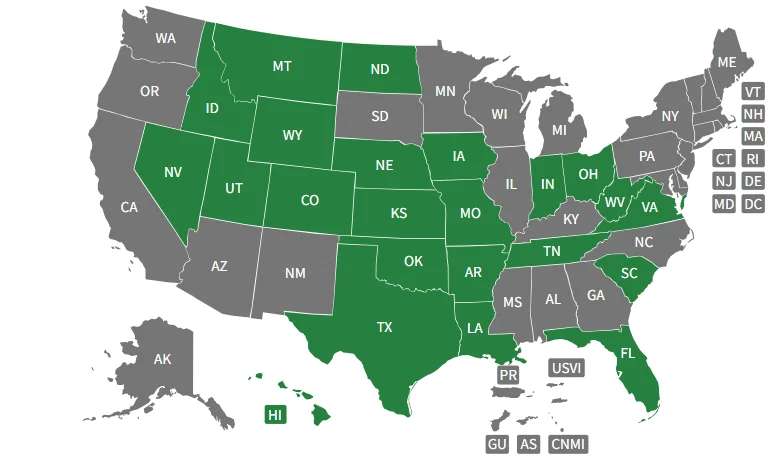
The landscape of the Supplemental Nutrition Assistance Program (SNAP)—long considered a cornerstone of American food security—is undergoing its most significant structural shift in decades. A quiet but profound policy pivot by the U.S. Department of Agriculture (USDA) is now allowing states to restrict the purchase of sugar-sweetened beverages and certain processed snacks using electronic benefit transfer (EBT) cards. As these "waivers" gain traction across the nation, they are triggering a seismic reaction in the retail sector, with projections indicating a potential $830 million loss in sales for the soda, candy, and energy drink industries by the end of 2026.
The Core Conflict: Health Policy vs. Market Reality
At the heart of this policy shift is a fundamental disagreement over the role of government food assistance. Traditionally, SNAP was designed to provide broad-based nutritional support, allowing recipients to make their own dietary choices within a wide range of eligible food items. While federal law has long prohibited the use of SNAP benefits for non-food items, alcohol, tobacco, and hot prepared meals, the program generally permitted the purchase of any food—including those high in sugar or low in nutritional density.
However, as public health officials grapple with rising rates of diet-related chronic illnesses such as type 2 diabetes and obesity, the pressure to use SNAP as a tool for public health intervention has intensified. By restricting the purchase of "junk food" or sugary drinks, proponents argue the government can incentivize better dietary habits among a vulnerable demographic. Critics and retailers, meanwhile, argue that such restrictions place an undue administrative burden on stores and do little to address the root causes of poor nutrition, such as "food deserts" and the high cost of fresh produce.
Chronology of a Policy Shift
For years, the USDA maintained a rigid stance against restricting specific food items within SNAP. When cities like New York and states like Maine and Nevada previously petitioned for waivers to exclude sugary beverages from the program, the federal government consistently denied these requests, citing the administrative complexity and the potential for stigmatizing recipients.
The turning point arrived with a strategic shift in administrative philosophy. Recognizing the correlation between nutritional intake and long-term healthcare costs, the USDA began to signal a newfound openness to state-led pilot programs.
- Pre-2020: The USDA maintains a strict "no-restriction" policy regarding food quality, prioritizing recipient autonomy and simplicity of administration.
- 2021-2023: Growing public health advocacy and pilot data from local initiatives prompt the USDA to re-evaluate the waiver process. Several states begin drafting legislation to curb the use of SNAP funds for items deemed non-nutritional.
- 2024: The USDA officially shifts its stance, granting initial waivers to a small cohort of states and explicitly encouraging others to apply for similar restrictions, provided they meet specific criteria regarding implementation and monitoring.
- Present Day: Twenty-three states have now been granted waivers, with more expected to follow by the end of 2026.
Data-Driven Impact: The Retail Perspective
The financial implications of these waivers are substantial, according to recent analysis from Numerator, a data and market intelligence firm. As the program expands, the retail landscape—particularly for convenience stores and large-format grocers—is bracing for a contraction in revenue.
The $830 Million Sales Deficit
By the conclusion of 2026, the cumulative impact of these state-specific restrictions is expected to reach $830 million in lost sales across three key categories:
- Soda: A projected $430 million loss.
- Candy: A projected $300 million loss.
- Energy Drinks: A projected $100 million loss.
These figures represent a significant shift in consumer behavior. In states where waivers are active, SNAP recipients must now pivot to using their own personal income to purchase these items. The core question for retailers is whether this change in payment method will lead to a reduction in consumption or simply a reduction in discretionary spending on other essential items.
Numerator’s findings suggest that by the end of 2026, one-third of all SNAP participants will be living in jurisdictions where at least some form of product restriction is in place. This scale of implementation marks a permanent change in how retailers forecast demand for sugary goods within communities that rely heavily on government assistance.
Official Responses and Administrative Guidance
The USDA’s current guidance on food restrictions emphasizes a partnership-based approach. While the federal government provides the framework, it has shifted the burden of proof to the states. To qualify for a waiver, a state must demonstrate that it has the technical infrastructure to distinguish between eligible and ineligible items at the point-of-sale (POS) terminal.
Proponents of the waivers, including various public health advocacy groups, argue that the USDA is finally aligning its food assistance program with its own Dietary Guidelines for Americans. They argue that the government should not be subsidizing the purchase of products that contribute to the very health crises the government subsequently spends billions to treat via Medicaid and Medicare.
Conversely, some anti-hunger organizations have expressed concern. They argue that the administrative costs of updating POS systems could be better spent on increasing the benefit levels themselves. There is also the "stigma factor"—the fear that visible restrictions at the checkout line will create a "two-tier" shopping experience that alienates SNAP participants.
Implications for Public Health and the Future of Food
The ultimate success of these waivers hinges on a single, yet-to-be-answered question: Does limiting access to sugary drinks via SNAP actually improve health outcomes?
The Necessity of Rigorous Research
If the policy is to remain in place, it is incumbent upon the 23 participating states to conduct longitudinal, transparent research. We must move beyond sales data and look at health outcomes. Are recipients substituting soda with water or milk, or are they simply shifting their spending to other processed foods that remain technically "eligible" under the new rules?
The Retailer’s Dilemma
For retailers, the operational complexity is immense. Updating inventory management systems to correctly flag thousands of SKUs (Stock Keeping Units) is a significant investment. Furthermore, the loss of $830 million in sales is not just a statistical anomaly; it represents a contraction in the cash flow of local grocery stores, particularly those in lower-income areas that often operate on razor-thin margins.
Broader Societal Shifts
The broader implication is that the definition of "food security" is evolving. It is no longer just about the quantity of calories available to a household; it is about the quality of those calories. By effectively de-incentivizing the purchase of high-sugar, low-nutrient items, the government is signaling that the future of the American safety net is one that prioritizes long-term metabolic health alongside immediate hunger relief.
Conclusion: A New Era for SNAP
The movement toward SNAP waivers is perhaps the most significant policy experiment in the history of the program. While the retail industry anticipates a clear, quantifiable drop in revenue for specific beverage and snack categories, the public health sector sees a vital opportunity to stem the tide of diet-related disease.
As we look toward the 2026 deadline and beyond, the success of this initiative will be measured not in the billions of dollars of sales lost or gained, but in the measurable health improvements of the millions of Americans who rely on these benefits. It is a bold, controversial, and necessary experiment in modern social policy. Whether it proves to be a triumph of preventative health or an administrative overreach remains to be seen, but one thing is certain: the American grocery aisle is being fundamentally redefined by the intersection of nutrition science and federal law.
State officials, policymakers, and industry leaders must now collaborate to ensure that this transition is as seamless as possible for the recipients who remain the ultimate stakeholders in this policy shift. The hope is that through rigorous research and adaptive implementation, these states will provide the roadmap for a healthier, more nourished future for all Americans.