










In a tectonic shift for federal nutrition policy, the U.S. Department of Agriculture (USDA) has begun authorizing state-level waivers that restrict the purchase of sugar-sweetened beverages and certain junk foods using Supplemental Nutrition Assistance Program (SNAP) benefits. This policy departure—a marked reversal from the historical stance of previous administrations—is already sending ripples through the retail sector, with industry analysts projecting an $830 million sales decline for soda, candy, and energy drink manufacturers by the end of 2026.
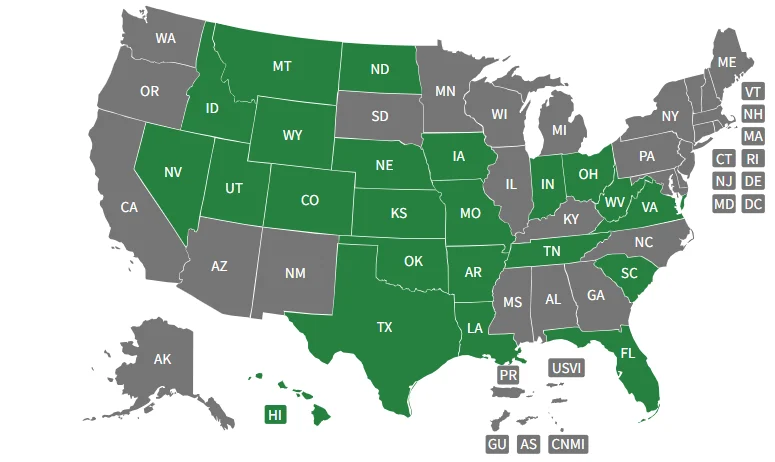
As 23 states move toward implementing these restrictions, the policy has ignited a fierce debate. Proponents argue it is a necessary tool to address rising obesity and diet-related health disparities in low-income populations, while retailers and industry lobbyists warn of significant economic disruption and potential food insecurity for the very families the program is designed to support.
The Mechanics of the Policy: Redefining SNAP Eligibility
The Supplemental Nutrition Assistance Program, the bedrock of American food security, has traditionally maintained a relatively permissive definition of "eligible food items." By federal statute, SNAP participants have long been prohibited from using their Electronic Benefit Transfer (EBT) cards for hot prepared foods, alcoholic beverages, tobacco, vitamins, medicines, or non-food items like paper products.
However, the category of "sugar-sweetened beverages" (SSBs) and "junk food" remained untouched for decades. Under the new USDA guidelines, states can now apply for waivers to exclude specific high-sugar items from the list of eligible goods. If a state successfully petitions for a waiver, recipients in that jurisdiction must use their own personal funds—rather than federal assistance—to purchase these items.
This shift represents a fundamental change in the USDA’s philosophy regarding personal choice versus public health intervention. Where the government previously resisted calls from jurisdictions like New York City, Maine, and Nevada to restrict the purchase of soda, the current administration has pivoted to a more proactive, decentralizing approach, actively encouraging states to experiment with dietary constraints.
A Chronology of Change: From Resistance to Authorization
To understand the current state of affairs, one must look at the historical friction between federal regulators and local advocates.
- The Era of Uniformity (2000–2020): For two decades, the USDA consistently denied state and municipal requests to restrict soda purchases. The prevailing logic was rooted in both administrative simplicity and a desire to avoid stigmatizing low-income shoppers. Regulators argued that "policing" grocery carts would create logistical nightmares at the checkout counter and unfairly scrutinize the dietary habits of the poor.
- The Pilot Projects (2021–2023): Following the pandemic, as national conversations about health equity and the prevalence of metabolic disease intensified, the USDA began to soften its stance. Public health advocates pushed the narrative that taxpayer-funded benefits should not be used to subsidize products that directly contribute to the diabetes and heart disease epidemics.
- The Current Wave (2024–Present): The federal government opened the gates, granting waivers to 23 states. By the end of 2026, it is estimated that one-third of all SNAP participants nationwide will be subject to these new restrictions. The USDA’s current posture is one of "cooperative federalism," providing states the autonomy to tailor their nutrition programs to their specific public health goals.
Supporting Data: The Multi-Million Dollar Impact
The financial implications of these waivers are significant, and according to data from the retail analytics firm Numerator, the ripple effects will be felt across the entire consumer packaged goods (CPG) industry.
The projected $830 million loss is broken down into three primary categories:
- Soda: $430 million in projected sales losses.
- Candy: $300 million in projected sales losses.
- Energy Drinks: $100 million in projected sales losses.
These figures represent a worst-case scenario for manufacturers, assuming that SNAP recipients will not shift their spending toward other, non-restricted grocery items. Retailers are particularly concerned about the "velocity of sales." When an item is no longer eligible for SNAP, it is not merely that the product is removed from the store; it is that the store loses the transaction entirely. If a consumer’s budget is capped, and they cannot use their EBT card for a $3.00 soda, they may choose to forgo the purchase entirely or migrate to a different store that perhaps carries a broader, cheaper, or more "eligible" inventory.
Industry and Stakeholder Perspectives
The industry response has been characterized by a mixture of public-relations caution and private anxiety.
The Retailer’s Dilemma
For large-scale grocers, SNAP is a major revenue driver. Retailers have expressed concern regarding the operational costs of implementing these changes. Updating point-of-sale (POS) systems to distinguish between "restricted" and "unrestricted" versions of products is a non-trivial technical hurdle. Furthermore, front-line employees now bear the burden of explaining to frustrated customers why a particular item is suddenly "non-payable" with their benefits, a scenario that risks increasing friction at the checkout line.
Public Health Advocacy
Conversely, public health advocates celebrate this as a "win for nutrition." The logic is straightforward: If the goal of SNAP is to ensure food security and nutritional stability, then incentivizing the consumption of products with zero nutritional value is a contradiction. By removing the "subsidy" for soda and candy, the government is effectively nudging consumption toward healthier alternatives like milk, water, and whole foods.
The Social Equity Argument
Critics of the waiver program, however, point to the issue of "food deserts" and the socioeconomic reality of the SNAP population. They argue that for many low-income families, a cheap soda or snack is one of the few accessible sources of quick energy or a rare, affordable treat. Restricting these choices, they argue, does little to address the root causes of poor nutrition—such as the lack of affordable, fresh produce in low-income neighborhoods—and instead serves as a form of paternalistic control over the poor.
The Implications: Is This a Turning Point for Public Health?
As the 23 waiver-participating states move into the implementation phase, the true impact of this policy remains an open question. Will this actually improve the health of the SNAP-reliant population, or will it simply lead to a shift in spending patterns without a corresponding increase in vegetable or fruit consumption?
The Need for Rigorous Research
There is an urgent need for longitudinal studies in these 23 states. To date, the data regarding the efficacy of food-based restrictions is mixed. If the policy results in a decline in the purchase of soda but no measurable improvement in health outcomes (such as lower rates of obesity or blood glucose levels), then the restriction may be viewed as a punitive measure rather than a health intervention.
The "Slippery Slope" Concern
Political analysts are also watching closely to see if this is merely the beginning. If the USDA successfully restricts soda and candy, what comes next? Could we see restrictions on high-sodium snacks, processed meats, or even specific frozen dinners? The move sets a precedent that the federal government is willing to define "healthy" at the register, a power that future administrations could expand or contract based on their own political ideologies.
Economic Forecasting
For investors and supply chain managers, the retail landscape is changing. Companies that rely heavily on the "grab-and-go" convenience sector may need to pivot their marketing and product distribution strategies. If the SNAP demographic is no longer a viable market for high-sugar items, these companies will have to rely more heavily on middle- and upper-class consumers, potentially leading to price increases or aggressive marketing campaigns aimed at these demographics to compensate for the lost volume.
Conclusion: A Policy in Transition
The era of blanket eligibility for SNAP is fading, replaced by a more fragmented and targeted approach to nutrition assistance. As states like New York, Maine, and Nevada lead the way in adopting these waivers, they are effectively serving as laboratories for a new national nutrition strategy.
Whether this policy results in a healthier America or merely an administrative and economic headache remains to be seen. What is clear, however, is that the USDA has fundamentally altered the relationship between the federal government, the grocery industry, and the millions of Americans who rely on food assistance. The coming years will be defined by the data—if the $830 million loss in sales correlates with a tangible shift toward healthier eating, the policy will likely become the new standard. If not, the debate over the ethics and efficacy of "food policing" will only continue to intensify.
For now, the grocery store checkout line has become the latest frontier in the American culture war—a place where the intersection of economics, health, and government policy plays out one item at a time.