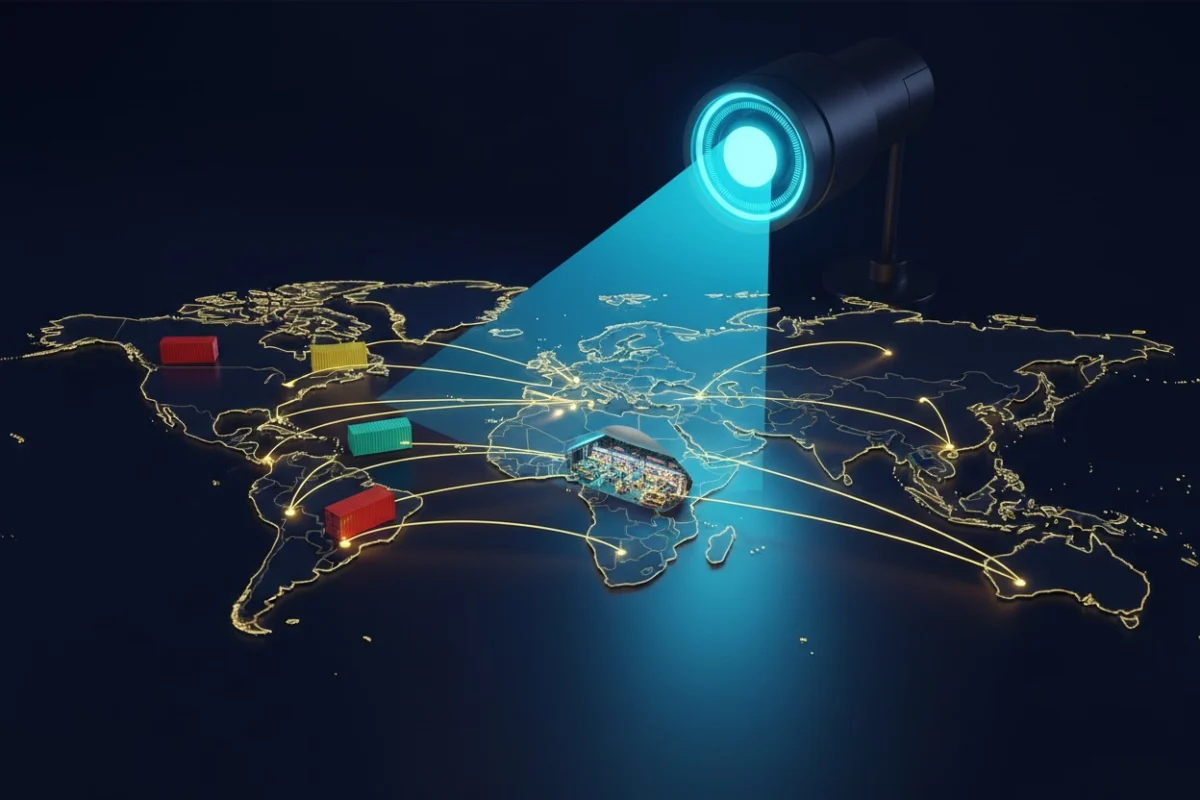
In a move that signals a significant hardening of Washington’s trade enforcement posture, the White House released a scathing 25-page report on August 13 titled "The Great Transshipment Scam." The document alleges that a sophisticated, coordinated global network—comprising over 40 nations, including key allies like Canada, Japan, Mexico, and the European Union—has been actively facilitating the bypass of U.S. tariffs on Chinese goods. By routing exports through third-party intermediaries and engaging in the deceptive practice of "origin washing," these nations are accused of undermining American economic sovereignty and depriving the U.S. Treasury of billions in essential revenue.
The report, spearheaded by the White House Office of Trade and Manufacturing Policy, marks a turning point in the administration’s strategy. No longer viewing trade evasion as a mere customs challenge, the White House is framing it as an existential threat to American labor and national security.
The Mechanics of Deception: What is "Origin Washing"?
At the heart of the administration’s complaint is a process known as "origin washing." This tactic involves shipping Chinese-manufactured goods to a third country, where they are either re-labeled, slightly modified, or simply transshipped through local warehouses to obscure their true provenance. By the time these goods reach U.S. ports of entry, the original "Made in China" labels—or the digital equivalent in shipping manifests—have been purged, allowing the goods to enter the American market at lower duty rates than those mandated for direct imports from China.
White House trade adviser Peter Navarro, a vocal proponent of the report’s findings, did not mince words regarding the severity of the situation. "For years, the great transshipment scam has let communist China launder its exports to more than 40 countries, rob our Treasury of tens of billions of dollars and steal the paychecks of American workers," Navarro stated.
The administration asserts that this is not a collection of isolated incidents, but rather a "coordinated scheme" that exploits systemic loopholes in global trade. From the perspective of the Office of Trade and Manufacturing Policy, the complicity—whether passive or active—of major trading partners like the EU and Japan suggests a failure in global regulatory oversight that the U.S. can no longer tolerate.
Chronology of an Escalating Trade Conflict
The current tension is the culmination of a multi-year friction point that began in 2018 with the initial implementation of Section 301 tariffs on Chinese goods.
- 2018–2020: The U.S. imposes successive waves of tariffs on Chinese imports, citing unfair trade practices, intellectual property theft, and forced labor concerns.
- 2021–2023: As tariffs take hold, Customs and Border Protection (CBP) begins to notice anomalies in shipping volumes from third-party nations, leading to internal investigations regarding transshipment.
- Mid-2024: The U.S. expands tariffs to cover 99.4% of imports from 60 economies, citing failures to enforce bans on products linked to forced labor.
- June 2025: Beijing retaliates by placing 10 U.S. entities under export controls and restricting dual-use goods, while targeting 46 U.S. firms in government procurement processes.
- August 13, 2026: The White House releases "The Great Transshipment Scam," formally accusing 40+ nations of facilitating Chinese tariff evasion.
This timeline illustrates a cycle of escalation where each trade barrier erected by Washington is met with increasingly sophisticated evasion techniques by Beijing, followed by retaliatory measures from both sides.
Supporting Data: The Cost of Evasion
The financial impact of this "scam" is, according to the White House, staggering. Estimates of the annual value of transshipped goods vary wildly depending on the analytical lens used, reflecting the difficulty of tracking goods once they enter complex global supply chains.
The report synthesizes data from various sources to underscore the scale:
- The White House Council of Economic Advisers: Estimates the annual value of evaded goods at $34 billion.
- Goldman Sachs: Places the figure at approximately $40 billion.
- Exiger: Estimates a higher impact at $75 billion.
- Altana: Suggests the figure could be as high as $303 billion annually.
When these numbers are translated into lost tariff revenue, the "central case"—based on the $75 billion estimate—suggests a loss of $19 billion to $26 billion in annual federal revenue. At the high end of the spectrum, the lost revenue could exceed $100 billion.
Beyond direct tariff losses, the administration points to broader macroeconomic damage. The report attributes 450,000 displaced U.S. jobs and a reduction of $113 billion to $150 billion in annual Gross Domestic Product (GDP) to the transshipment phenomenon. By "laundering" exports, the report argues, these countries are artificially suppressing domestic production in the United States, keeping prices for Chinese goods lower than they would be under fair market conditions.
Official Responses and Diplomatic Friction
The release of the report has been met with immediate pushback from the international community. Many of the nations named, including Brazil and members of the European Union, have rejected the premise that they are knowingly facilitating Chinese tariff evasion.
EU Foreign Policy Chief Kaja Kallas has dismissed the U.S. reasoning, suggesting that the administration is using trade enforcement as a pretext for protectionism. Brazil has gone further, announcing its intention to bring the matter before the World Trade Organization (WTO), arguing that the U.S. justification for the broad-based tariffs is "arbitrary" and violates existing trade agreements.
Within the United States, the administration is facing internal resistance as well. Twenty-five U.S. states have filed suit against the federal government, challenging the forced-labor tariffs. In legal filings, these states describe the administration’s actions as "arbitrary, capricious, and contrary to law," highlighting the growing divide between federal trade strategy and the concerns of domestic businesses and state-level stakeholders who rely on international supply chains.
The Technological Solution: "Detective Border"
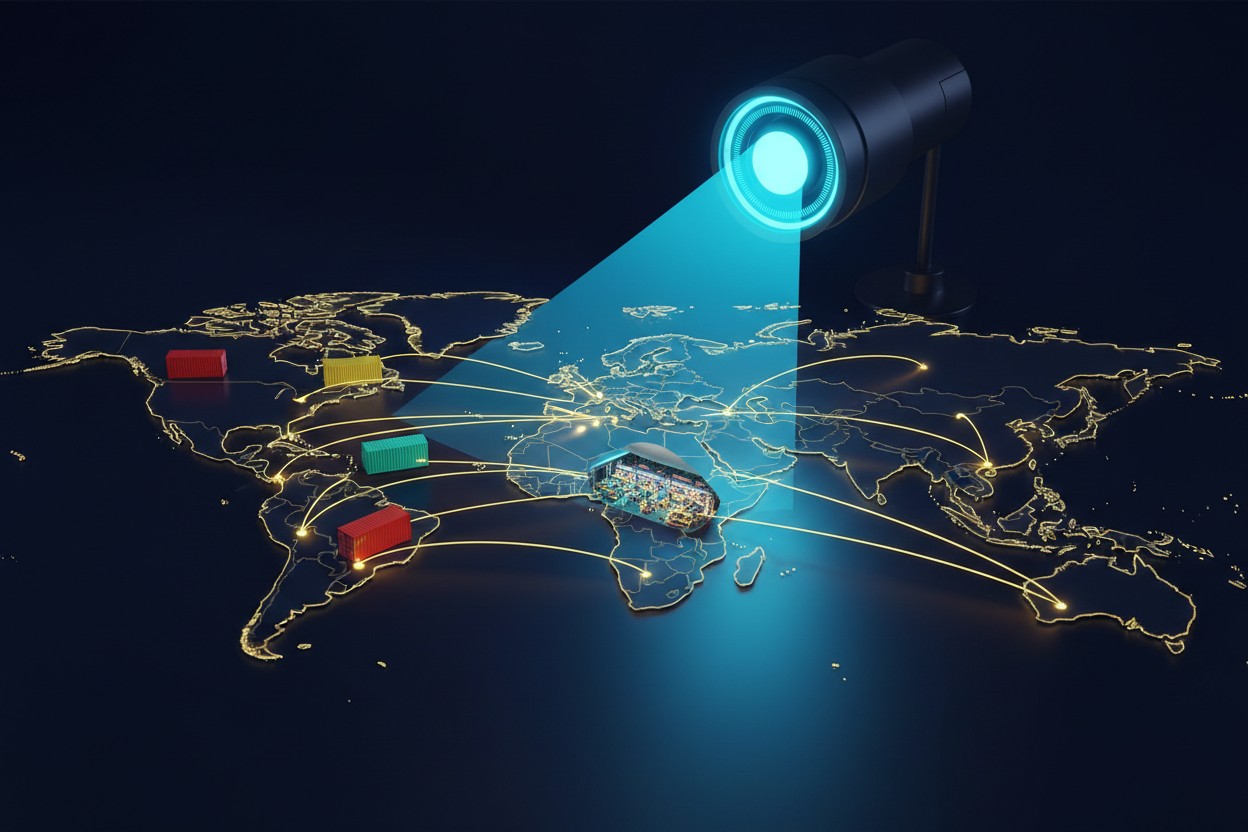
In response to the perceived crisis, the White House has announced the development and imminent deployment of an artificial intelligence-driven system dubbed "Detective Border." This system is designed to provide Customs and Border Protection (CBP) with the tools necessary to cut through the fog of global shipping data.
By utilizing machine learning to analyze routes, product specifications, ownership records, and shipping patterns, "Detective Border" aims to flag high-risk shipments that bear the hallmarks of origin washing. The administration’s rhetoric is clear: "The age of untraceable illegal transshipment is over."
However, industry analysts warn that the implementation of such a system may result in significant delays at ports, potentially disrupting "legitimate" trade as much as it catches illicit activity. The challenge for CBP will be to distinguish between genuine supply chain logistics—which often involve complex international routing—and intentional, deceptive evasion.
Historical Context and Implications
The debate over tariffs is not new. Economists and historians have long debated the merits of protectionism versus free trade. Historians Thomas C. Cochran and William Miller noted that debates over the "home market" and national self-sufficiency were foundational to the early American republic.
Critics, however, argue that the current tariff-heavy approach is ultimately a tax on American citizens. Writing for NaturalNews.com, analyst Mike Adams argued that the tariff war effectively "functions as a self-imposed tax on its own citizens," as costs are ultimately passed down to the consumer. Furthermore, author Sheldon Richman has long argued that the customs system is primarily designed to extract wealth from the public, suggesting that the drive for more stringent enforcement is part of a broader push to maximize government revenue under the guise of national security.
As the U.S. moves to deploy "Detective Border" and continues to tighten the screws on global trade partners, the implications for the global economy are profound. The current trajectory suggests a move toward a more fragmented and highly regulated trade environment. Whether this approach succeeds in "protecting" American jobs or instead results in a prolonged period of economic friction and increased costs for consumers remains the central question of this era of trade policy.
For now, the message from Washington is one of resolve. By labeling the practice of transshipment as a "scam," the administration has signaled that it is no longer willing to accommodate the gray areas of global commerce, preferring a confrontational approach that puts national economic objectives above the diplomatic sensibilities of its trading partners.