








In a breakthrough that could fundamentally reshape the future of global nutrition and sustainable agriculture, an international team of researchers has unlocked a method to produce biologically active vitamin B12 within Arthrospira platensis, commonly known as Spirulina. This discovery, detailed in the scientific journal Discover Food, addresses the most significant nutritional gap in plant-based diets and offers a path toward a carbon-neutral, scalable alternative to animal-sourced B12.
Led by Dr. Asaf Tzachor, Founder and Academic Director of the Aviram Sustainability and Climate Program at Reichman University, the research consortium—comprising experts from Iceland, Denmark, and Austria—has demonstrated that through "photonic management," the humble blue-green algae can be transformed into a nutrient powerhouse. By manipulating the light spectrum during cultivation, the team successfully induced the production of B12 in a form that is bioavailable to humans, effectively rivaling the nutritional profile of beef.
The Global B12 Dilemma: A Silent Epidemic
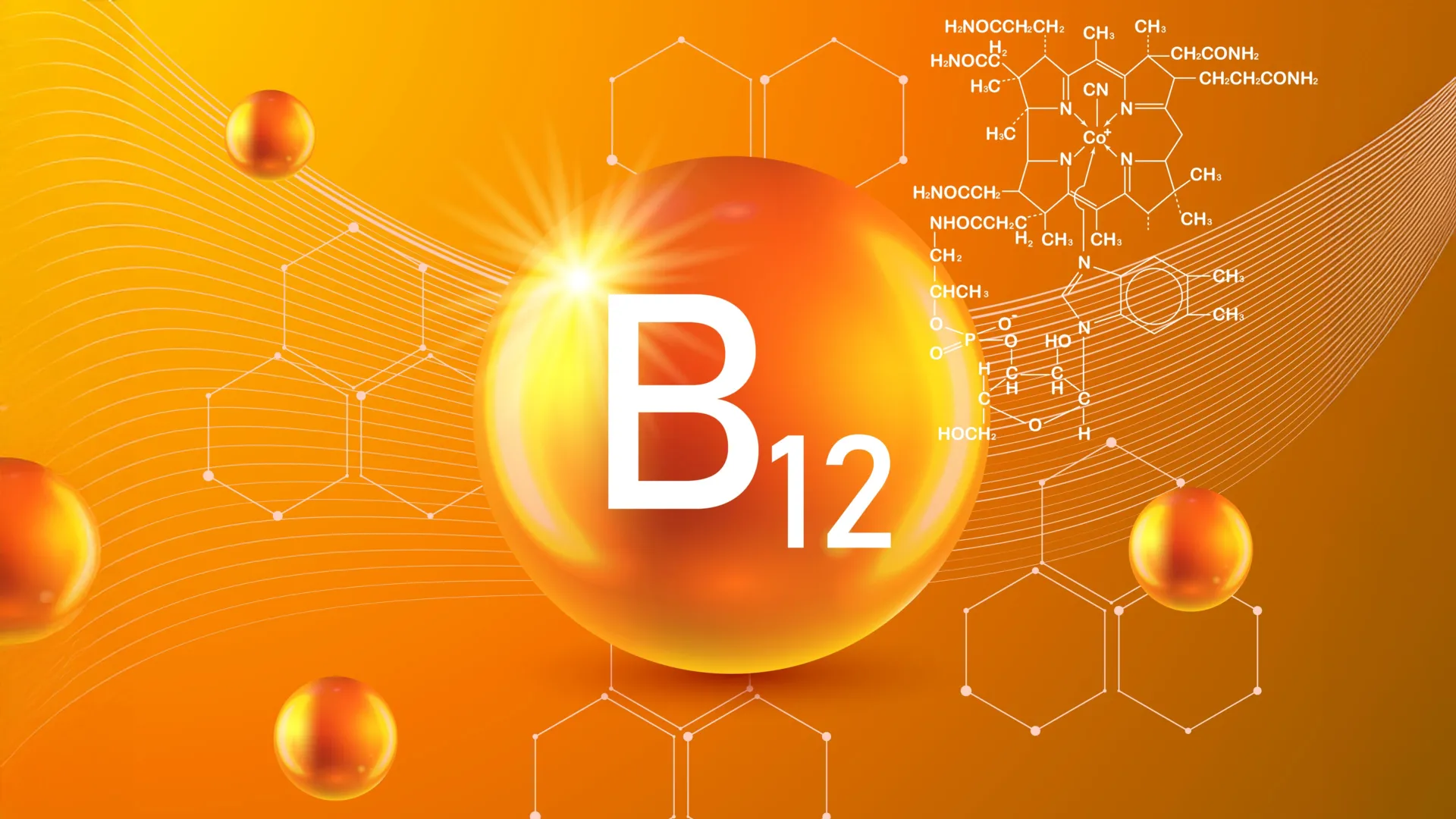
Vitamin B12, or cobalamin, is a cornerstone of human health. It is indispensable for the formation of red blood cells, the maintenance of the nervous system, and the synthesis of DNA. Despite its critical importance, the World Health Organization and various health agencies estimate that more than a billion people worldwide suffer from insufficient levels of the vitamin.
For much of the global population, the primary dietary sources of B12 are animal products, including red meat, poultry, dairy, and eggs. While these sources are efficient, the environmental toll of industrial animal agriculture—characterized by massive water consumption, land degradation, and significant greenhouse gas emissions—has prompted a global shift toward plant-based alternatives. However, the "B12 gap" has remained a formidable hurdle for those transitioning away from animal protein.
Spirulina has long been heralded as a "superfood," prized for its dense concentration of proteins, antioxidants, and anti-inflammatory compounds. Yet, it has historically failed as a reliable B12 source. While traditional Spirulina does contain cobalamin-like compounds, the vast majority exists as "pseudo-vitamin B12." Chemically similar to the nutrient humans require, this pseudo-form is biologically inactive; it cannot be utilized by the human body and, in some cases, may even interfere with the absorption of true, active B12. This limitation has forced vegans and vegetarians to rely heavily on synthetic supplements or fortified foods, neither of which match the holistic benefits of a whole-food source.
Chronology of a Scientific Breakthrough
The path to this discovery was neither linear nor simple; it required the convergence of advanced biotechnology, precise engineering, and interdisciplinary collaboration.
Phase 1: Identifying the Technological Platform
The project began with an evaluation of a cutting-edge biotechnology platform developed by VAXA Technologies in Iceland. Unlike traditional open-pond Spirulina cultivation, which is susceptible to contamination and inconsistent lighting, VAXA’s system utilizes a closed, controlled environment. The researchers sought to determine if the system’s engineering design and energy inputs could be harnessed to "program" the metabolism of the algae.
Phase 2: The Role of Photonic Management
The turning point in the research was the application of "photonic management." By meticulously modifying the light conditions within the bioreactors, the scientists manipulated the photosynthetic pathways of the Arthrospira platensis. This process essentially coerced the microorganisms into synthesizing true, biologically active vitamin B12—a biological feat previously thought impossible for this species.
Phase 3: Validation and Analysis
Following the controlled cultivation, the team conducted rigorous analytical testing of the biomass. The results were startling. The resulting carbon-neutral biomass contained approximately 1.64 µg of active vitamin B12 per 100 grams. For comparison, the average beef intake provides roughly 0.7–1.5 µg per 100 grams. This confirmed that the bio-engineered algae not only matched but, in certain parameters, surpassed the nutritional density of traditional meat sources.
Supporting Data: Scalability and Nutritional Impact
The researchers did not stop at laboratory success; they modeled the potential impact of this technology on a global scale. By analyzing the integration of these systems into existing industrial frameworks, they identified a pathway to mass-market viability.
The Iceland Model
Iceland serves as an ideal case study for the scalability of this technology due to its abundant supply of renewable geothermal energy. The research team hypothesized a scenario where electricity currently consumed by heavy, carbon-intensive industries could be reallocated to power large-scale Spirulina bioreactors.
The projections are staggering:
- Annual Yield: Such a shift could support the production of 277,950 tonnes of nutrient-rich Spirulina biomass annually.
- Nutritional Output: This volume of biomass would generate approximately 4,555 grams of active, bioavailable vitamin B12.
- Public Health Reach: This quantity of B12 could satisfy the Recommended Dietary Allowance (RDA) for over 13.8 million children aged 1–3 years.
When extending these projections to more ambitious production scenarios, the researchers estimate that global-scale implementation could cover the RDA for more than 26.5 million children in the 1–3 age bracket and over 50 million infants aged 0–6 months. These figures, while projections, underscore the disruptive potential of this technology in addressing childhood malnutrition and B12 deficiency in developing nations.
Official Perspectives: Dr. Asaf Tzachor and the Future of Food
Dr. Asaf Tzachor, representing the Aviram Sustainability and Climate Program, views these findings as a pivot point in the evolution of sustainable food systems. "The findings demonstrate that photosynthetically controlled Spirulina can produce desirable levels of active vitamin B12, offering a sustainable alternative to traditional animal-source foods," Tzachor stated.
The research team, which includes scholars from the University of Natural Resources and Life Sciences in Vienna, the Ruppin Academic Center, the Danish Technological Institute, and MATIS (Iceland), emphasizes that this is not merely an improvement of a food product, but a fundamental change in how we perceive the role of microorganisms in the human diet. By altering the "environmental instructions" given to the algae, scientists can effectively "dial in" the desired nutritional profile, moving away from a reliance on the biological processes of sentient animals toward the efficient, carbon-neutral growth of algae.
Implications: A New Era of Nutritional Biotechnology
The implications of this research extend far beyond the elimination of B12 deficiency.
1. Environmental Sustainability
Traditional animal husbandry is one of the leading drivers of deforestation, water scarcity, and biodiversity loss. By decoupling essential nutrient production from livestock, we can significantly reduce the ecological footprint of the human diet. Spirulina cultivation is land-efficient and can be performed in closed-loop systems that recycle water and nutrients, making it a "future-proof" technology in the face of climate change.
2. The Democratization of Nutrition
The ability to produce nutrient-dense, shelf-stable food at scale could have profound implications for food security in regions where animal-sourced proteins are either culturally unavailable, prohibitively expensive, or environmentally unsustainable. The researchers note that because the B12 is embedded within the biomass alongside other bioactive compounds—such as antioxidants and anti-inflammatory agents—it provides a comprehensive nutritional package rather than a standalone supplement.
3. Future Research and Real-World Integration
While the laboratory results are conclusive, the transition from controlled pilot studies to global food systems remains the next hurdle. The researchers acknowledge that further studies are required to optimize the cost-efficiency of photonic management at a massive scale and to assess the organoleptic properties (taste, texture, and smell) of the bio-enriched Spirulina when integrated into diverse global cuisines.
The Aviram Sustainability and Climate Program, established by Reichman University and the Aviram Foundation, remains committed to these goals. The program, which trains a new generation of multidisciplinary leaders to solve crises related to climate change, resource scarcity, and public health, views this research as a blueprint for the future.
As the global population approaches 10 billion, the necessity of finding alternative, sustainable sources of essential nutrients becomes undeniable. This breakthrough in Spirulina production provides a scientific foundation for a new model of food production—one where technology, nature, and human health work in concert to nourish a growing world without further exhausting the planet’s finite resources. The era of bio-designed nutrition has officially arrived.