




In the high-stakes environment of oncology, where life-saving treatments like chemotherapy and radiation often exact a brutal toll on the patient’s body, a groundbreaking discovery from the Massachusetts Institute of Technology (MIT) offers a glimmer of hope. Researchers have identified that cysteine, a naturally occurring amino acid found in everyday proteins, acts as a potent catalyst for intestinal repair. By unlocking a specific immune-mediated pathway, this simple nutrient could one day mitigate the debilitating side effects of cancer treatment, transforming how patients recover from the damage inflicted by the very therapies intended to save them.
The Mechanism of Repair: From Diet to Cellular Regeneration
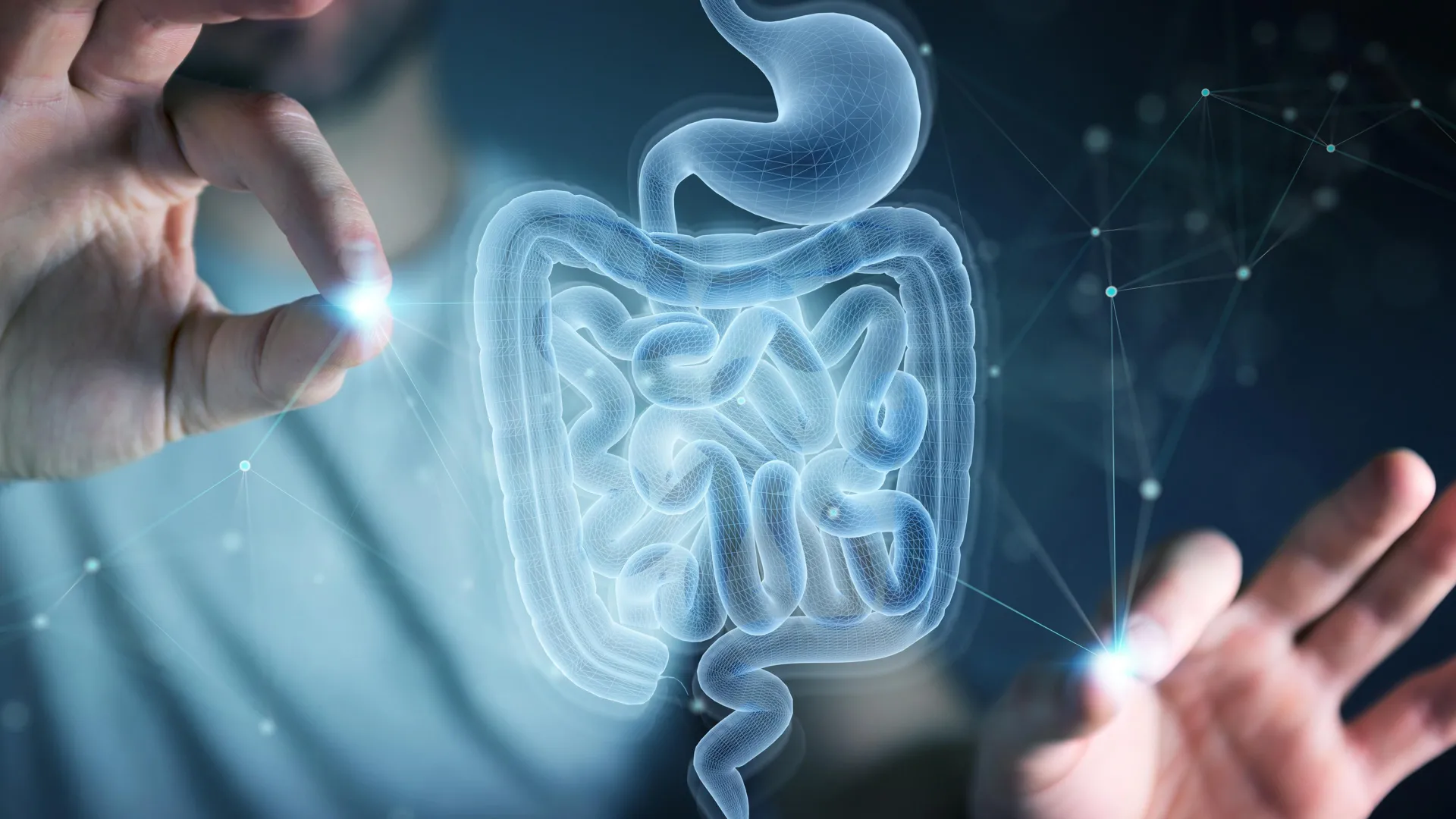
For decades, the medical community has sought ways to protect the delicate lining of the gastrointestinal tract, which is frequently decimated by the cytotoxic nature of radiation and chemotherapy. The MIT research, recently published in the journal Nature, marks the first time scientists have isolated a single nutrient responsible for directly stimulating intestinal stem cell regeneration.
While previous studies have established that broad dietary interventions—such as fasting or calorie restriction—can alter stem cell behavior, the mechanisms behind these changes were often broad and poorly understood. This new study provides a surgical level of precision, identifying cysteine as the specific "master key" that unlocks the gut’s regenerative potential.
The biological process is a masterclass in systemic communication. When an individual consumes a cysteine-rich meal, the amino acid is absorbed by the intestinal lining. Once inside the cells, it undergoes a metabolic transformation, converting into Coenzyme A (CoA). This molecule is subsequently secreted into the intestinal environment, where it is intercepted by CD8 T cells—a subset of immune cells typically known for patrolling the body for pathogens.
The interaction between CoA and these T cells triggers a localized immune response. The T cells begin to proliferate and secrete interleukin-22 (IL-22), a cytokine that serves as a signaling protein. IL-22 acts as a biochemical "green light" for intestinal stem cells, signaling them to divide and replace damaged tissue. This positioning is strategic; by gathering in the lining of the small intestine, these T cells are perfectly situated to initiate a rapid repair response the moment injury occurs.
A Chronology of Discovery
The journey to this discovery began with a simple, yet ambitious, question: How do individual dietary components shape the fate of stem cells and the health of our tissues?
To answer this, Omer Yilmaz, director of the MIT Stem Cell Initiative, and his team devised an experiment involving 20 different amino acids. By feeding mice diets enriched with specific amino acids, the researchers created a "map" of which nutrients influenced stem cell activity. The results were striking. While many amino acids provide structural support, cysteine stood apart, producing the most robust regenerative effect on both stem cells and their precursors, known as progenitor cells.
Following this initial observation, the team traced the metabolic pathway from the gut lumen to the T cells. They discovered that the effect was highly localized, primarily occurring in the small intestine, where the concentration of dietary protein is highest upon ingestion. This "first-pass" effect is crucial; by the time other nutrients circulate through the liver and into the wider bloodstream, their concentration is diluted. Cysteine, however, exerts its primary influence exactly where it is needed most: the gut wall.
The validation phase involved subjecting mice to radiation therapy and 5-fluorouracil, a common chemotherapy drug known for its toxic effects on the digestive tract. The results were consistent: mice receiving a cysteine-enriched diet exhibited significantly faster healing of their intestinal linings compared to those on a standard diet.
Supporting Data: Why Cysteine Matters
The data supporting this discovery is both clear and compelling. The study highlights several key findings:
- Immune Activation: The expansion of the CD8 T-cell population, specifically those capable of producing IL-22, was a direct result of increased dietary cysteine. This challenged previous assumptions, as CD8 T cells were not historically associated with the regulation of intestinal stemness.
- Targeted Efficacy: The localized nature of the effect suggests that oral supplementation is superior to systemic delivery. Because the gut absorbs the nutrient directly, the concentration remains high enough to trigger the necessary metabolic cascade.
- Versatility: Beyond radiation, the team’s unpublished experiments with chemotherapy drugs indicate that the cysteine-driven repair mechanism is robust enough to combat various forms of therapeutic damage.
- Natural Availability: Unlike many pharmaceutical interventions, cysteine is readily available in common foods. Meat, dairy, legumes, and nuts are all rich sources, making it a potentially cost-effective and accessible therapy for patients worldwide.
Official Perspectives: Translating Science into Care
Omer Yilmaz, who also serves as an associate professor of biology at MIT and a member of the Koch Institute for Integrative Cancer Research, emphasized the clinical significance of these findings.
"The study suggests that if we give these patients a cysteine-rich diet or cysteine supplementation, perhaps we can dampen some of the chemotherapy or radiation-induced injury," Yilmaz stated. He highlighted the elegance of the solution, noting, "The beauty here is we’re not using a synthetic molecule; we’re exploiting a natural dietary compound."
This perspective is echoed by his research team, who view this as a potential paradigm shift in supportive oncology care. By focusing on the nutritional environment of the gut, doctors might soon be able to "prime" patients for treatment, enhancing their body’s innate ability to repair itself rather than relying solely on external drugs to manage symptoms.
Implications for Future Medicine
The implications of this research extend far beyond the treatment of cancer-related intestinal injury. The MIT team is already looking toward broader applications of this regenerative mechanism.
Hair Follicle Regeneration
One of the most promising avenues for future research is the potential for cysteine to stimulate repair in other tissues. The team is currently exploring whether the amino acid can influence hair follicle health, which could provide new insights into treating alopecia or hair loss caused by chemotherapy.
Personalized Nutritional Therapy
The success of this study suggests a move toward a more personalized approach to nutrition in medicine. By identifying the specific effects of various amino acids on stem cell behavior, researchers hope to build a "nutritional toolkit" for clinicians. This could allow for diet-based therapies designed to optimize organ health, accelerate recovery from surgery, or even slow the effects of aging in various tissues.
The Complexity of Cell Fate
As Yilmaz noted, the team is just beginning to scratch the surface. "I think we’re going to uncover multiple new mechanisms for how these amino acids regulate cell fate decisions and gut health in the small intestine and colon," he remarked. The goal is to move from a general understanding of "healthy eating" to a mechanistic understanding of how individual molecules govern the cellular architecture of the human body.
Conclusion: A New Era for Integrative Oncology
The MIT study stands as a testament to the power of basic research to uncover profound solutions in unlikely places. By identifying cysteine as a driver of immune-mediated gut repair, researchers have provided a tangible pathway toward improving the quality of life for cancer patients.
While clinical trials in humans remain the necessary next step to confirm these findings, the potential for a non-synthetic, easily accessible, and effective therapeutic strategy is transformative. As science continues to bridge the gap between nutrition and regenerative medicine, the humble amino acid may soon take its place as a cornerstone of modern, integrative cancer recovery.
This research was supported by the National Institutes of Health, the V Foundation, the Kathy and Curt Marble Cancer Research Award, the Koch Institute-Dana-Farber/Harvard Cancer Center Bridge Project, the American Federation for Aging Research, the MIT Stem Cell Initiative, and the Koch Institute Support (core) Grant from the National Cancer Institute.