Colorectal cancer remains one of the most formidable public health challenges in the modern era, standing as a leading cause of cancer-related mortality in the United States and across the Western world. However, a groundbreaking study published on September 16, 2026, in Frontiers in Nutrition offers a compelling, evidence-based roadmap for potential prevention: a diet centered on the diversity of phytochemical-rich foods.
According to the research, adults who consumed the highest proportion of phytochemical-heavy foods exhibited a staggering 52% lower odds of developing colorectal cancer compared to those whose diets were the least nutrient-dense. This finding underscores a growing scientific consensus that the key to long-term health may not lie in a single "superfood," but in the synergistic power of a varied, plant-forward lifestyle.
The Study: Methodology and Key Findings
The study was designed as a comparative analysis involving 980 participants—490 individuals diagnosed with colorectal cancer and a control group of 490 healthy adults. By utilizing standardized food frequency questionnaires, researchers were able to quantify the dietary habits of the participants, specifically looking for the intake of compounds derived from plant sources.
To evaluate these habits, researchers developed a "Dietary Phytochemical Index" (DPI). This metric calculates the percentage of a person’s total daily caloric intake derived from foods rich in phytochemicals—bioactive plant compounds including polyphenols, flavonoids, carotenoids, and phytosterols.
The results were striking. Beyond the primary finding of a 52% reduction in cancer odds, the researchers observed that participants with higher DPI scores displayed significantly more favorable markers of systemic inflammation and oxidative stress. These two factors are widely recognized by the medical community as precursors to cellular damage and the development of degenerative diseases, including malignancy.
However, the researchers were careful to maintain scientific rigor. "This study highlights an association rather than absolute proof that phytochemical-rich foods prevent colorectal cancer," the authors noted. Because the study assessed the diets of individuals who had already been diagnosed, researchers pointed out the limitation regarding causality: it is difficult to determine if the diet predated the cancer or if the cancer diagnosis prompted immediate, positive dietary changes in the participants. Consequently, the team has called for longitudinal studies to solidify these promising findings.
A Chronology of Dietary Science and Cancer Prevention
The journey toward understanding the link between plant-based nutrition and cancer prevention has spanned decades of nutritional science.
- Early Foundations: Initial observations in the mid-20th century began to correlate populations consuming high-fiber, plant-heavy diets with lower rates of chronic illness.
- The Rise of Phytochemistry: By the late 1990s and early 2000s, researchers began isolating specific compounds—such as isoflavones in soy, sulforaphane in cruciferous vegetables, and resveratrol in grapes—to understand their individual anticarcinogenic properties.
- The Synergistic Era: More recent studies, including the 2026 Frontiers in Nutrition paper, have shifted the focus away from individual compounds toward the "food matrix." Research now suggests that the combination of fruit and vegetable phytochemicals produces an antioxidant capacity that is additive and synergistic, meaning the whole is greater than the sum of its parts.
- Modern Validation: The latest meta-analyses, which have synthesized data from millions of participants, have begun to quantify the impact of nutrition on global mortality. Today, poor nutrition is linked to approximately 20% of cancer deaths in Western nations, providing a clear impetus for the public health shifts currently being advocated by nutritionists.
Supporting Data: Why Variety is the Biological Key
The researchers emphasized that there is no "magic bullet" in the produce aisle. Instead, the focus should be on dietary diversity. Different plants contain unique combinations of phytochemicals, and consuming a variety ensures the body receives a wide spectrum of protection.
The Fiber Connection
Fiber remains a cornerstone of colon health. Evidence from thirteen large-scale studies suggests that if the average American increased their daily fiber intake by just 13 grams, the risk of colorectal cancer could be reduced by approximately one-third. Fiber acts as a mechanical cleaner for the digestive tract and a substrate for the healthy gut microbiome, which produces protective short-chain fatty acids.
The Role of Bioactive Compounds
Beyond fiber, phytochemicals act as cellular regulators. Carotenoids and flavonoids, for example, have been shown to modulate gene expression related to tumor suppression. A comprehensive review of 11 meta-analyses has further confirmed that high fiber and phytochemical consumption correlates with reduced risks for gastric, esophageal, ovarian, and endometrial cancers, indicating that these benefits extend far beyond the colon.
Official Responses and Clinical Implications
The implications of the 2026 study are being felt across the oncology and dietetics communities. While clinical oncologists stress that diet cannot replace screenings like colonoscopies, they view nutrition as a vital primary prevention tool.
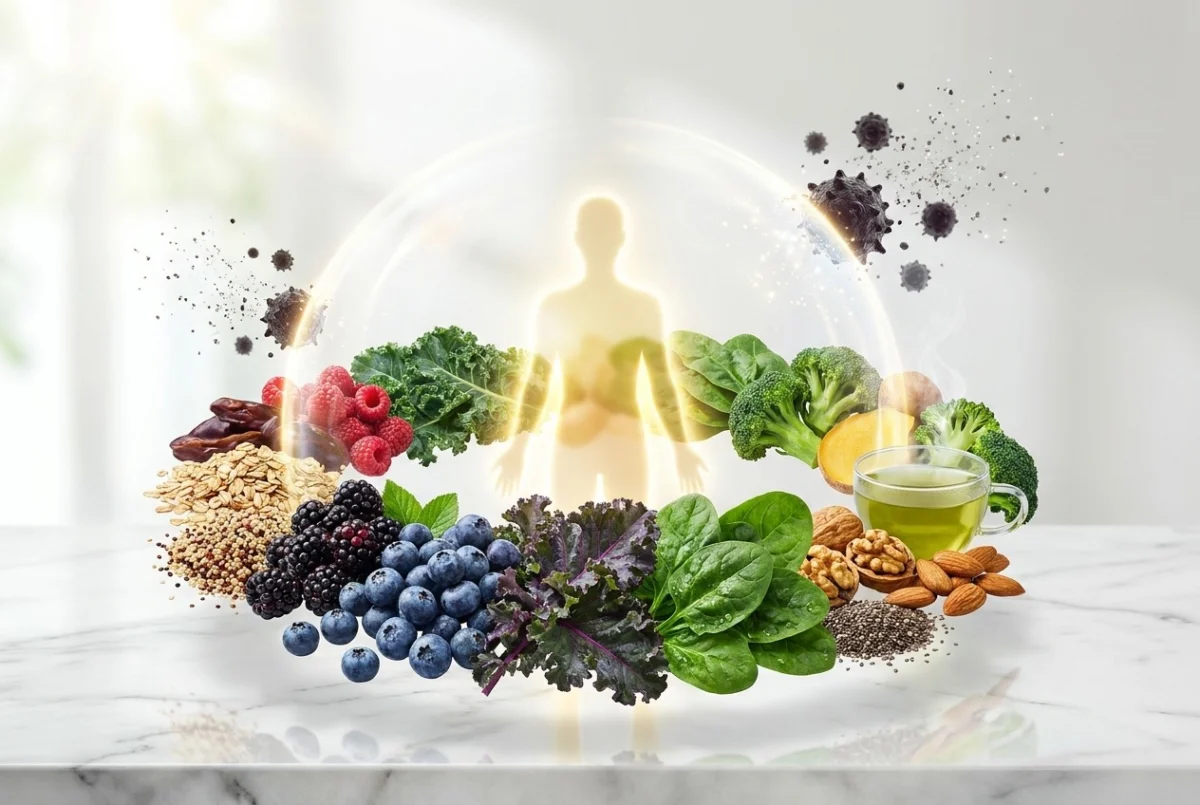
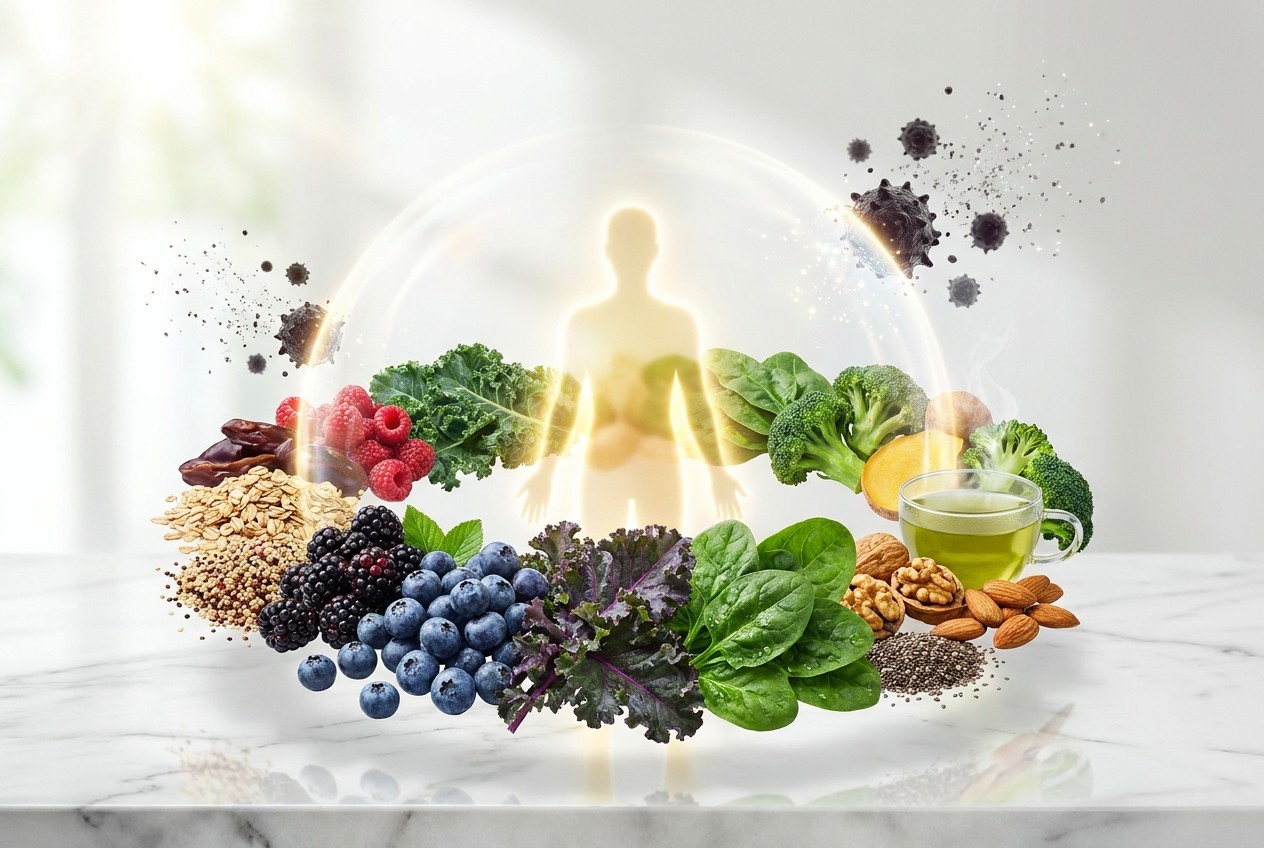
Public health experts are now calling for a shift in nutritional guidelines. The consensus is moving away from restrictive "fad" diets toward a "diverse plant-mix" approach. By encouraging the consumption of berries, leafy greens, legumes, whole grains, nuts, seeds, and tea, medical professionals hope to reduce the burden of preventable diseases.
Furthermore, the data suggests that even modest changes—such as adding 20 grams of nuts to one’s daily routine—can have tangible effects. A 2015 meta-analysis found that this small, consistent habit could lower cancer risk by 15% due to the anti-inflammatory and oxidative-stress-fighting properties of the bioactive compounds found in walnuts, almonds, and pistachios.
Strategies for Integrating Phytochemicals
For individuals looking to translate these research findings into daily practice, the authors of the study suggest several accessible strategies:
- The Breakfast Upgrade: Incorporate berries, flaxseeds, or walnuts into oatmeal, yogurt, or whole-grain toast. This provides an immediate, high-potency dose of antioxidants to start the day.
- The Legume Integration: Instead of viewing beans and lentils as side dishes, make them a primary protein source in soups, salads, and grain bowls. These foods are fiber-dense and rich in unique phytochemical profiles.
- The "One New Vegetable" Rule: Challenge yourself to purchase one vegetable you do not typically consume each week. Preparing cauliflower, bok choy, or Swiss chard can introduce the body to different phytochemicals, such as the unique sulfur compounds found in cruciferous vegetables.
- Tea as a Routine: Replacing sugary beverages with green or black tea provides a constant, low-level exposure to polyphenols, which support heart, brain, and digestive health.
Conclusion: A Shift in Nutritional Paradigm
The 2026 study in Frontiers in Nutrition serves as a powerful reminder that our daily dietary choices are not just about caloric intake; they are about communicating with our cells. By choosing a diverse array of plant foods, we are providing our bodies with the molecular tools needed to mitigate inflammation, combat oxidative stress, and potentially lower the risk of life-altering diseases.
While the researchers rightly point out the need for further, long-term studies to confirm these associations, the existing weight of evidence is clear: a plant-rich, diverse diet is one of the most effective tools we have in the fight against colorectal cancer. As we continue to refine our understanding of the Dietary Phytochemical Index, the goal remains simple: to put more variety, color, and plant-based nutrition on our plates, one meal at a time.