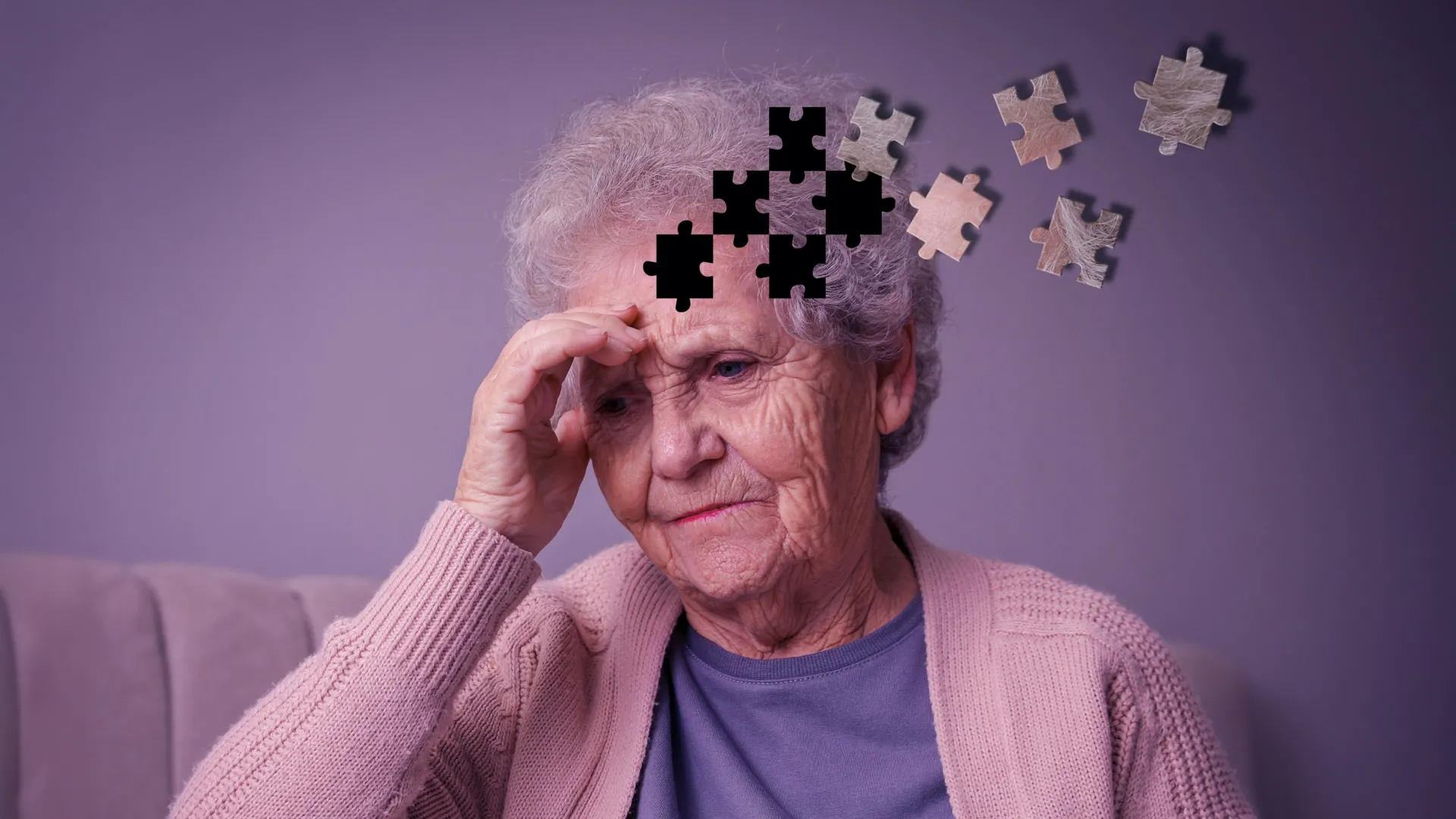
New research from the University of California San Diego (UCSD) School of Medicine has unveiled a critical shift in how the medical community understands the trajectory of Alzheimer’s disease and cognitive decline. While it has long been known that women bear a disproportionate burden of dementia—accounting for nearly two-thirds of all Alzheimer’s cases in the United States—the biological and social mechanisms behind this disparity have remained elusive.
A study published on May 19, 2026, in the journal Biology of Sex Differences suggests that the answer may lie in how common, modifiable risk factors affect the sexes differently. The research indicates that certain health variables do not just occur more frequently in one sex; they exert a more damaging influence on the cognitive function of women than they do on men, fundamentally changing the landscape of preventative medicine.
The Magnitude of the Crisis: Understanding the Data
To grasp the significance of these findings, one must first look at the current landscape of Alzheimer’s disease. Approximately seven million Americans are currently living with the condition. As the population ages, this number is projected to rise, placing an immense strain on families, healthcare systems, and the national economy.
For years, the scientific community operated under the assumption that women’s higher prevalence of Alzheimer’s was primarily a byproduct of longevity—the simple fact that women, on average, live longer than men. However, the UCSD research team, led by Dr. Megan Fitzhugh and Dr. Judy Pa, posits that longevity is only one piece of a much larger, more complex puzzle. By analyzing data from over 17,000 middle-aged and older adults through the Health and Retirement Study, researchers sought to isolate how 13 established risk factors—including hypertension, diabetes, smoking, obesity, depression, and physical inactivity—interact with cognitive performance across gender lines.
Chronology of the Investigation
The research project, funded by the National Institute on Aging and the Alzheimer’s Association, was designed to move beyond population-wide averages.
- Initial Data Collection: The team utilized the Health and Retirement Study (HRS), a longitudinal panel study that surveys a representative sample of approximately 20,000 Americans. This provided the necessary depth to conduct a sex-stratified analysis of cognitive outcomes.
- Variable Identification: Researchers categorized 13 specific risk factors known to influence brain health. These included socioeconomic markers like educational attainment, lifestyle habits such as smoking and alcohol consumption, and metabolic markers like body mass index (BMI) and blood pressure.
- The Comparative Phase: During the analysis, the team compared the correlation between these risk factors and cognitive scores for both male and female participants.
- The Discovery: The researchers identified that for specific markers—most notably cardiovascular and metabolic health—the "penalty" on cognitive function was significantly steeper for women.
Key Findings: Disparities in Cognitive Impact
The study’s most striking revelation is that the cognitive "cost" of a health condition is not uniform.
The Cardiovascular Connection
Perhaps the most alarming discovery involves cardiometabolic health. Hypertension (high blood pressure) and elevated BMI are widespread across the aging population, with nearly 60% of participants in the study dealing with hypertension. However, the data revealed that these conditions have a much more aggressive negative association with women’s cognitive scores.
Essentially, if a man and a woman both suffer from mid-life hypertension, the woman’s cognitive performance is likely to decline more sharply. This suggests that the female brain may be more sensitive to the vascular damage caused by high blood pressure, or that hormonal fluctuations during menopause and post-menopause interact with these risks to accelerate brain aging.
The Paradox of Diabetes and Hearing Loss
The study also noted a fascinating, if concerning, paradox regarding diabetes and hearing loss. While these conditions were statistically more common in the male cohort, they were more strongly associated with cognitive impairment in women. This implies that even when these conditions are managed or present at lower rates in women, their presence is a more significant harbinger of future cognitive decline.
Socioeconomic and Lifestyle Factors
Educational attainment remains a significant protective factor against dementia. The study noted that women in the cohort had slightly lower average educational attainment than men, a legacy of historical inequities in access to higher education. Because education is linked to "cognitive reserve"—the brain’s ability to improvise and find alternate pathways to complete tasks—this baseline disparity may put women at an inherent disadvantage as they age.
Official Responses and Expert Perspective
The principal investigators of the study have emphasized that these findings are a call to action for the medical community to embrace "precision medicine."
"Looking beyond which risk factors are most common, we found that some have a disproportionately larger impact on women’s cognition," said Dr. Megan Fitzhugh, the study’s first author and an assistant professor of neurosciences at UCSD. Dr. Fitzhugh argues that current prevention efforts are often too generic. "This suggests that prevention efforts may be more effective if they are tailored not just to risk factor prevalence, but to how strongly each factor affects cognition in women versus men."
Dr. Judy Pa, the senior author of the study and a professor of neurosciences, underscored the importance of shifting the research paradigm. "These differences highlight the importance of considering sex as a key variable in dementia research," Dr. Pa stated. "Sex differences are profoundly overlooked among many leading causes of death like Alzheimer’s, heart disease, and cancer."
Implications for Future Care and Policy
The implications of this research are far-reaching, spanning from clinical practice to public health policy.
Toward Personalized Prevention
The "one-size-fits-all" approach to dementia prevention is increasingly viewed as outdated. If a woman is at higher risk for cognitive decline due to hypertension, her clinical care plan should arguably be more aggressive than that of a man with the same blood pressure reading. This could mean earlier screenings, lower thresholds for medication, and more intensive lifestyle coaching for female patients.
Targeted Interventions
The study highlights that many of these risks are modifiable. For women, the researchers pointed toward three specific areas of focus:
- Cardiovascular Management: Vigilant monitoring and treatment of hypertension to protect the brain’s vascular health.
- Mental Health: A renewed focus on the management of depression, which the study suggests is a significant driver of cognitive decline in women.
- Physical Activity: Encouraging systemic lifestyle changes that prioritize metabolic health, which serves as a shield against the cognitive decline associated with high BMI.
The Need for Further Research
Despite these breakthroughs, the researchers are quick to note that we are only beginning to scratch the surface. Why exactly does the female brain react differently to diabetes or high blood pressure? The team points to three primary suspects:
- Hormonal Influences: The role of estrogen and the decline of neuroprotective hormones during menopause.
- Genetic Predisposition: Potential differences in how genes associated with Alzheimer’s (such as APOE-ε4) interact with sex-specific biology.
- Societal Factors: The cumulative effect of the "double burden"—the intersection of professional and caregiving responsibilities that often falls more heavily on women, leading to higher levels of chronic stress.
Conclusion: A New Era of Brain Health
The research from UCSD serves as a vital reminder that sex is not merely a demographic variable to be adjusted for in a statistical model—it is a fundamental biological factor that shapes the manifestation of disease.
By acknowledging that women face a "steeper slope" when it comes to the impact of common risk factors, the medical community can move toward more nuanced, smarter, and ultimately more effective interventions. Reducing the global burden of dementia will require moving past broad generalizations and embracing a precision-based approach that acknowledges the unique biology of the female brain. As Dr. Fitzhugh concluded, this is an "essential step toward reducing the burden of dementia for everyone," but particularly for the millions of women currently navigating the risks of cognitive decline.