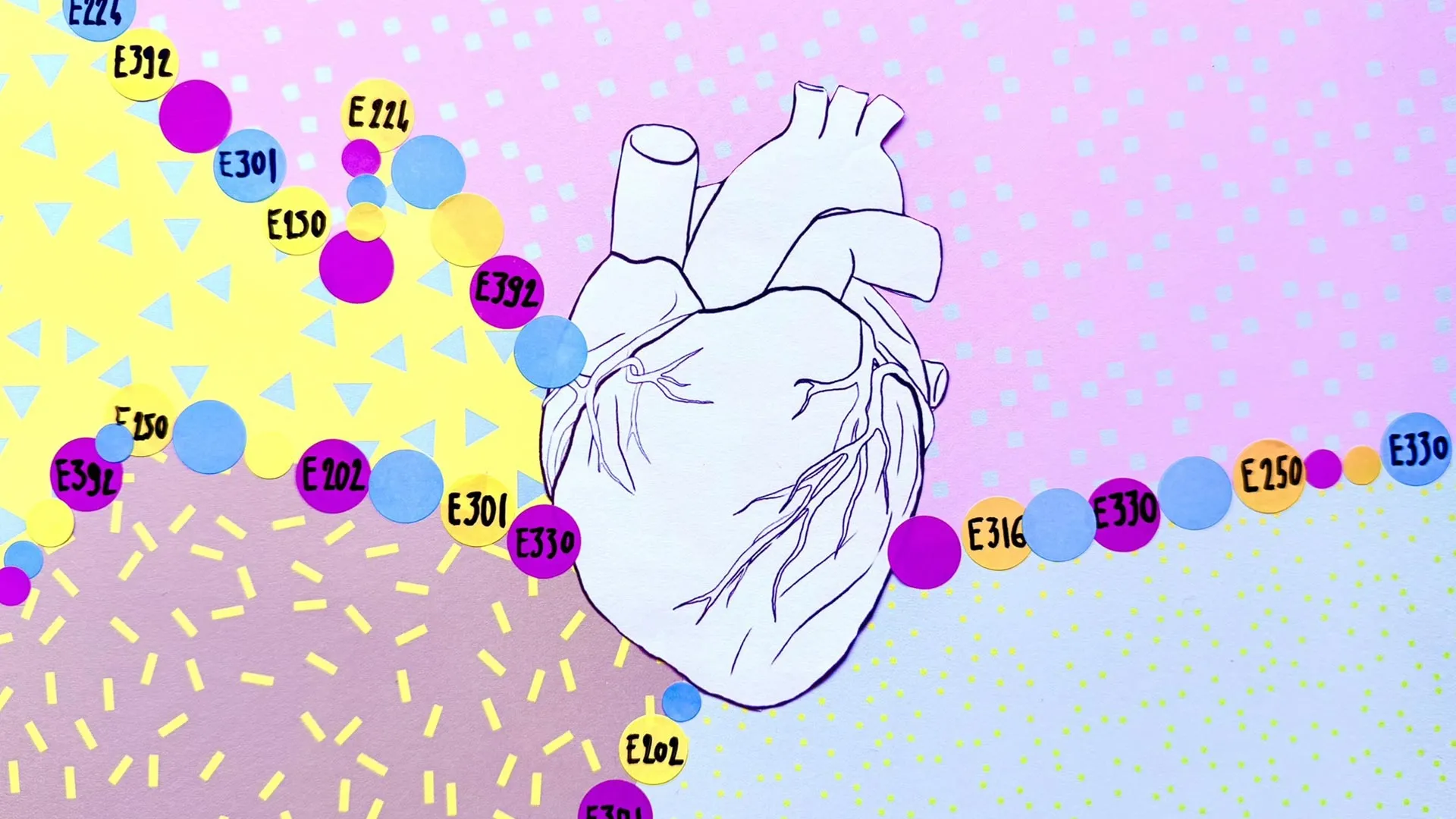
For decades, the global food industry has relied on a suite of chemical compounds to ensure that everything from packaged bread to deli meats remains palatable, colorful, and free of microbial spoilage. These preservatives, ubiquitous in the modern supermarket, have been instrumental in reducing food waste and expanding the global supply chain. However, a landmark study published in the European Heart Journal is now challenging the long-standing assumption that these additives are entirely inert to human physiology.
The research suggests that the convenience of a long shelf life may come at a biological price: a significantly higher risk of hypertension and cardiovascular disease. As consumers increasingly rely on ultra-processed foods, this study provides the most comprehensive evidence to date that what keeps our food "fresh" may be silently undermining our heart health.
The Genesis of the Research
The study was spearheaded by Dr. Mathilde Touvier, a research director at the French National Institute for Health and Medical Research (INSERM), alongside PhD candidate Anaïs Hasenböhler. Working within the Nutritional Epidemiology Research Team at the Université Sorbonne Paris Nord and Université Paris Cité, the duo sought to bridge the gap between experimental laboratory findings and real-world human health outcomes.
While previous animal models and in vitro studies had hinted that certain food additives might induce oxidative stress or disrupt endocrine function, human data remained largely fragmented. "Food preservatives are used in hundreds of thousands of industrially processed foods," noted Hasenböhler. "Experimental studies suggest that some preservative food additives may be harmful to cardiovascular health, but we have not had enough evidence on the impact of these ingredients in humans. As far as we know, this is the first study of its kind to investigate the links between a wide range of preservatives and cardiovascular health."
Methodology: A Deep Dive into Diet
To conduct this investigation, the research team utilized the NutriNet-Santé project—a massive, ongoing longitudinal study that tracks the dietary habits and health outcomes of over 112,000 volunteers across France.
Unlike many nutrition studies that rely on annual surveys or vague dietary recollections, the NutriNet-Santé cohort provided an unprecedented level of granularity. Every six months, participants were required to record every item of food and drink consumed over a three-day period. By cross-referencing these logs against industrial food composition databases, researchers were able to identify the specific preservatives present in the participants’ diets.
The cohort was followed for an average of seven to eight years, during which time medical records were tracked to document the development of high blood pressure, heart attacks, strokes, and angina. The prevalence of these additives was staggering: within the first two years of the study, 99.5% of the 112,395 volunteers had consumed at least one food preservative.
Statistical Findings: The Correlation with Hypertension
The results, which highlight a clear statistical association between high additive intake and cardiovascular morbidity, have sent ripples through the nutritional science community.
The data revealed that participants with the highest intake of "non-antioxidant" preservatives—those designed specifically to prevent the growth of bacteria and mold—faced a 29% higher risk of hypertension compared to those with the lowest intake. Furthermore, these individuals were 16% more likely to develop cardiovascular diseases, including heart attack, stroke, and angina.
Even those who consumed high levels of antioxidant preservatives—compounds meant to prevent chemical rancidity and browning—were not immune, showing a 22% higher risk of developing high blood pressure.
When the researchers parsed the data down to specific chemicals, eight compounds stood out for their correlation with hypertension:
- Potassium sorbate (E202)
- Potassium metabisulphite (E224)
- Sodium nitrite (E250)
- Ascorbic acid (E300)
- Sodium ascorbate (E301)
- Sodium erythorbate (E316)
- Citric acid (E330)
- Extracts of rosemary (E392)
Notably, ascorbic acid (E300) was also found to have a direct, specific association with an increased risk of broader cardiovascular disease.
The Biological Mechanism: Why Preservatives Matter
While the study establishes a clear association, it does not explicitly prove causality, as it is observational in nature. However, the researchers provide compelling biological theories as to why these additives might impact the cardiovascular system.
Oxidative Stress
The primary suspect is oxidative stress. When the body is bombarded by certain chemical additives, it may produce an excess of reactive molecules—often called free radicals—that exceed the body’s natural antioxidant defenses. Over time, these molecules damage cell membranes and vascular tissues, accelerating the onset of cardiovascular conditions.
Pancreatic Disruption
Beyond the heart, the researchers are investigating the impact of these compounds on the pancreas. As the primary regulator of blood sugar and metabolism, the pancreas is sensitive to environmental inputs. If additives disrupt its function, the resulting metabolic instability could create a "domino effect," causing systemic inflammation and cardiovascular strain.
The Gut Microbiota Connection
Perhaps most cutting-edge is the team’s ongoing investigation into the gut microbiome. The digestive tract houses a vast ecosystem of bacteria that are essential for immune function and metabolic health. Emerging evidence suggests that some food additives may alter the composition of this bacterial community, potentially triggering inflammatory responses that negatively affect heart health. The research team is currently analyzing blood metabolic profiles to see if these gut-related changes serve as the bridge between preservative consumption and heart disease.
Official Responses and Regulatory Implications
The publication of these findings has prompted calls for a re-evaluation of food safety standards. Dr. Touvier emphasized that while consumers should not panic over a single meal, the cumulative, lifelong exposure to these chemicals is a public health concern that requires institutional action.
"These results suggest we need a re-evaluation of the risks and benefits of these food additives by the authorities in charge, such as the EFSA in Europe and the FDA in the USA, for better consumer protection," Dr. Touvier stated.
The current regulatory framework often tests additives for acute toxicity or carcinogenicity, but the "chronic, low-level" impact on cardiovascular health is a field that has historically received less scrutiny. Regulatory bodies, which have long focused on the immediate safety of these chemicals, may now face mounting pressure to set lower daily intake limits or to re-assess the "generally recognized as safe" (GRAS) status of certain preservatives.
Practical Implications: How to Navigate the Grocery Aisle
For the average consumer, the advice remains consistent with broader nutritional guidelines: favor fresh, minimally processed foods. While modern life makes it nearly impossible to avoid preservatives entirely, minimizing the intake of ultra-processed products is the most effective way to reduce chemical exposure.
Healthcare professionals are encouraged to play a proactive role in this transition. By educating patients on how to read labels—looking past the "all-natural" marketing to the specific list of E-numbers—doctors can help patients make more informed choices.
"In the meantime, these findings support existing recommendations to favor non-processed and minimally processed foods, and avoid unnecessary additives," Dr. Touvier added.
Conclusion: A New Frontier in Nutritional Epidemiology
The study from the European Heart Journal serves as a sobering reminder that the modern food environment is a massive, ongoing experiment on human biology. As we continue to trade traditional cooking methods for the convenience of preserved, shelf-stable products, we are altering our internal chemistry in ways that may only become apparent over decades.
While further research is required to isolate the specific causal mechanisms of these preservatives, the statistical signal is loud and clear: our cardiovascular health may be inextricably linked to the chemicals we use to keep our food from spoiling. As scientists continue to explore the gut-heart-pancreas axis, one thing is certain: the future of nutrition will likely involve a much deeper, more critical look at the "hidden" ingredients in our cupboards.