






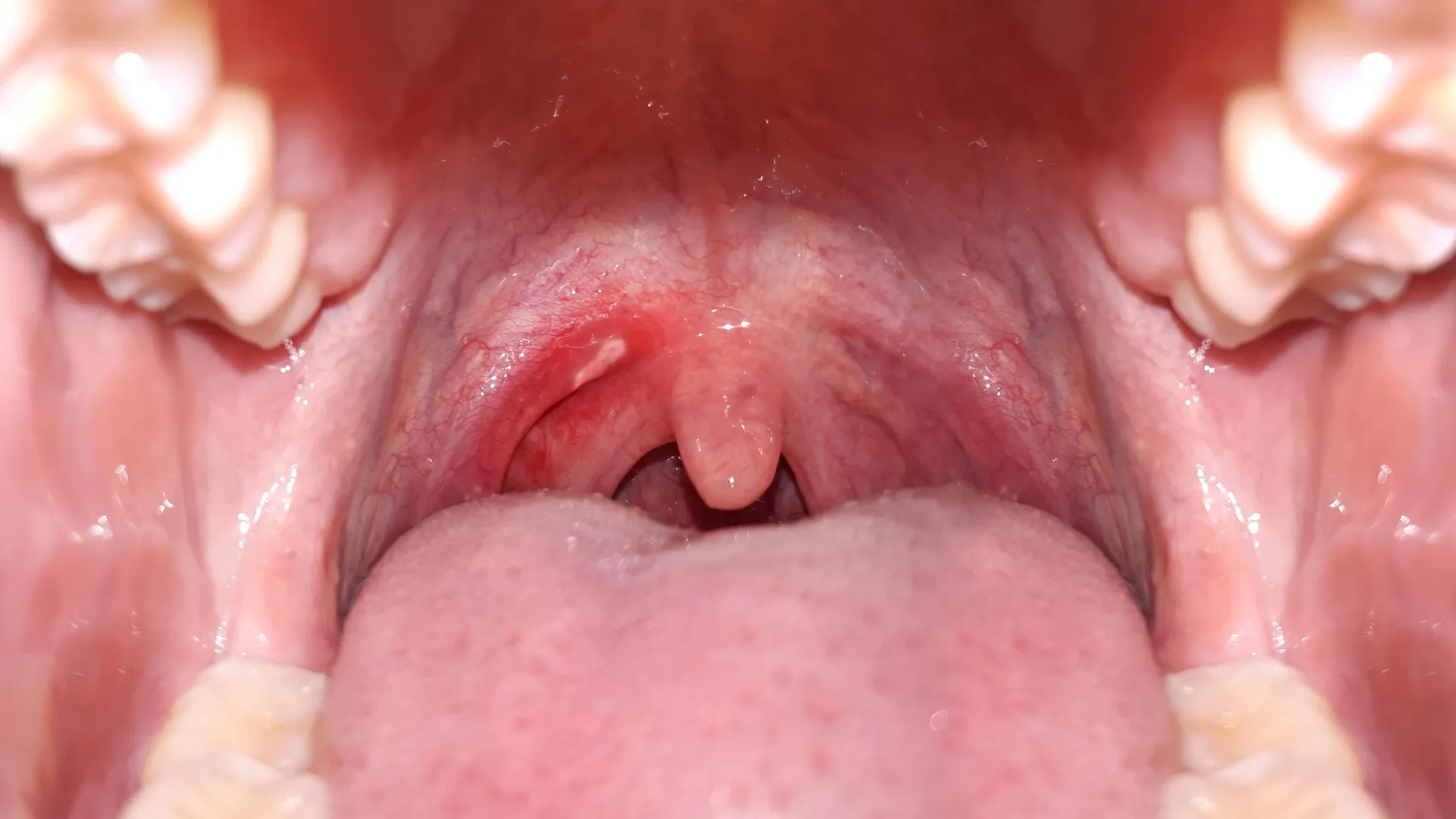
A landmark study published in the open-access journal BMJ Global Health has sounded a clarion call regarding the burgeoning epidemic of oral cancer in India. By analyzing the nuanced relationship between alcohol consumption, tobacco use, and the incidence of buccal mucosa cancer—the cancer of the soft tissue lining the cheeks and lips—researchers have uncovered a sobering reality: there is no such thing as a "safe" level of alcohol consumption when it comes to oral health.
The study, which meticulously tracked over 3,700 participants between 2010 and 2021, reveals that even modest daily intake—as little as one standard drink—is linked to a 50% increase in the risk of developing mouth cancer. Perhaps most alarmingly, the research highlights that the crisis is being driven by a lethal synergy between alcohol and the widespread use of chewing tobacco, a combination responsible for an estimated 62% of all buccal mucosa cancer cases across the country.
The Magnitude of the Challenge: A Public Health Emergency
Mouth cancer has firmly established itself as the second most common malignancy in India, creating a staggering burden on the national healthcare infrastructure. Current estimates suggest that India records approximately 143,759 new diagnoses annually, resulting in nearly 80,000 deaths. The incidence rate, currently hovering just below 15 cases per 100,000 men, continues a steady, concerning upward trajectory.
The clinical outlook for these patients remains bleak. Because of the aggressive nature of buccal mucosa carcinoma and the frequent delay in early detection, the five-year survival rate stands at a discouraging 43%. For many families, a diagnosis is not merely a medical event but a catastrophic economic and social challenge, particularly as the demographic shift indicates that the disease is striking younger individuals, with nearly 46% of cases appearing in the 25–45 age bracket.
Chronology of the Research: Unraveling a Complex Association
To isolate the specific variables contributing to this epidemic, researchers conducted a comparative study involving 1,803 patients diagnosed with buccal mucosa cancer and 1,903 healthy control subjects. The study spanned eleven years, from 2010 to 2021, and drew participants from five distinct study centers across India, ensuring a diverse representation of both urban and rural demographics.
The Methodology of Investigation
The research team employed a rigorous data collection strategy, asking participants to detail their long-term drinking habits, the frequency of consumption, and the precise nature of the beverages consumed. The study categorized alcohol intake into two distinct groups:
- Internationally Recognized Drinks: Including beer, whisky, vodka, rum, and various flavored "breezers."
- Locally Brewed Options: A category comprising 30 types of traditional, often unregulated, beverages such as apong, bangla, chulli, desi daru, and mahua.
Simultaneously, participants provided detailed histories regarding their tobacco usage, specifically focusing on the duration and type of products used. This dual-layered inquiry allowed researchers to statistically untangle the interaction between alcohol and tobacco, providing a clearer picture of how these substances exacerbate one another to facilitate oncogenesis.
Supporting Data: When Alcohol and Tobacco Collide
The statistical findings of the BMJ Global Health study are unambiguous. When comparing the cancer group to the control group, the researchers observed significant differences in lifestyle behaviors. Those with a cancer diagnosis reported an average of 21 years of tobacco use—three years longer than the control group—and a significantly higher daily alcohol intake, averaging 37 grams compared to 29 grams among non-cancer participants.
The "Synergistic Effect"
The data suggests that alcohol does not merely contribute to the risk; it acts as a catalyst. While alcohol consumption alone was associated with a 68% higher risk of buccal mucosa cancer, this risk escalated to 72% for those consuming international brands and surged to a staggering 87% for those consuming locally brewed, often illicit, alcohol.
The most profound finding, however, concerns the interaction between alcohol and chewing tobacco. When used in tandem, the substances create a "multiplier effect" that drives the risk of malignancy more than fourfold. The researchers conclude that the biological mechanism likely involves ethanol’s ability to alter the permeability of the oral mucosa. By changing the fat content of the cheek lining, alcohol renders the tissue more porous, allowing the potent carcinogens found in tobacco to penetrate the cells more deeply and effectively.
The Regulatory Gap: The Unregulated Market of Local Alcohol
A significant portion of the research focuses on the "regulatory vacuum" surrounding locally produced alcoholic beverages. While India has a complex legal framework for alcohol control, which is governed by individual states under the Seventh Schedule of the Indian Constitution, the production and sale of local, traditional brews remain largely outside the purview of formal health inspections.
The study highlights that these drinks, while deeply embedded in rural culture, are often characterized by extreme variability in quality and safety. Researchers noted that some samples tested contained as much as 90% alcohol content and, more dangerously, showed signs of contamination with toxic substances like methanol and acetaldehyde—both of which are known to be highly carcinogenic.
The lack of standardized production means that rural populations, who are already at a higher risk due to socioeconomic factors, are consuming toxic compounds without any clear labeling or awareness of the risks. This makes the local alcohol market a "silent contributor" to the nation’s cancer burden, a factor that has historically received far too little attention in public health policy.
Implications for Future Policy and Prevention
The conclusion of the BMJ Global Health report is both a warning and a roadmap for future action. By establishing that there is no safe threshold for alcohol consumption, the authors have effectively challenged the common misconception that "light" or "moderate" drinking is benign in the context of oral health.
Public Health Recommendations
The researchers suggest that the path forward must be multifaceted:
- Strengthening Regulation: There is an urgent need for state governments to extend regulatory oversight to the production and sale of locally brewed alcoholic products. Standardizing production and testing for contaminants could mitigate some of the extreme risks associated with these beverages.
- Integrated Awareness Campaigns: Public health messaging must stop treating alcohol and tobacco as separate risks. Given that their interaction is responsible for 62% of buccal mucosa cases, awareness programs should focus on the specific danger of co-consumption.
- Targeted Interventions: With states like Meghalaya, Assam, and Madhya Pradesh showing disproportionately high cancer rates, regional health policies must be implemented to address the specific consumption patterns prevalent in these areas.
"Our findings suggest that public health action towards the prevention of alcohol and tobacco use could largely eliminate [buccal mucosa cancer] from India," the researchers stated.
Conclusion: A Turning Point for Indian Public Health
The BMJ Global Health study represents a significant milestone in our understanding of oral cancer in India. By bridging the gap between clinical oncology and social behavioral patterns, it provides the empirical evidence necessary to drive systemic change.
The data confirms that the battle against mouth cancer is not just a battle against tobacco, but a complex struggle involving the regulation of alcohol, the social normalization of harmful substances, and the need for better education regarding the physiological effects of ethanol on oral tissue. As India continues to grapple with this health crisis, the message from the scientific community is clear: the most effective way to combat the rising tide of cancer is through the rigorous, evidence-based reduction of the substances that fuel it. For millions of Indians, the difference between life and a life-altering diagnosis may well lie in the policy decisions made in the wake of these sobering findings.