








LOS ANGELES — For millions of Americans, the "all-or-nothing" approach to alcohol consumption is a staple of modern social life. Many individuals maintain a disciplined, moderate drinking schedule throughout the work week, only to engage in heavy, concentrated alcohol intake on Friday or Saturday nights. This pattern—often dismissed as harmless "letting off steam"—is now being flagged by medical experts as a significant, under-recognized threat to long-term health.
A groundbreaking study published today in Clinical Gastroenterology and Hepatology by researchers at Keck Medicine of USC challenges the long-standing assumption that total weekly volume is the only metric that matters for liver health. The findings suggest that how we consume alcohol is just as critical as how much we consume, revealing that episodic heavy drinking can trigger severe, irreversible damage to the liver, particularly among those already living with metabolic dysfunction.
Main Facts: Redefining Alcohol-Related Risk
The study highlights a critical blind spot in current medical assessments. Traditionally, physicians have primarily tracked the total number of drinks a patient consumes per week to gauge liver risk. However, this new research indicates that the "pattern" of consumption acts as a distinct and dangerous variable.
"Episodic heavy drinking"—clinically defined as four or more drinks in a single day for women, and five or more for men—was the primary focus of the research. Even when total weekly alcohol intake remained identical, those who condensed their consumption into one or two sessions were three times more likely to develop advanced liver fibrosis compared to those who spread the same volume out over the course of a week.
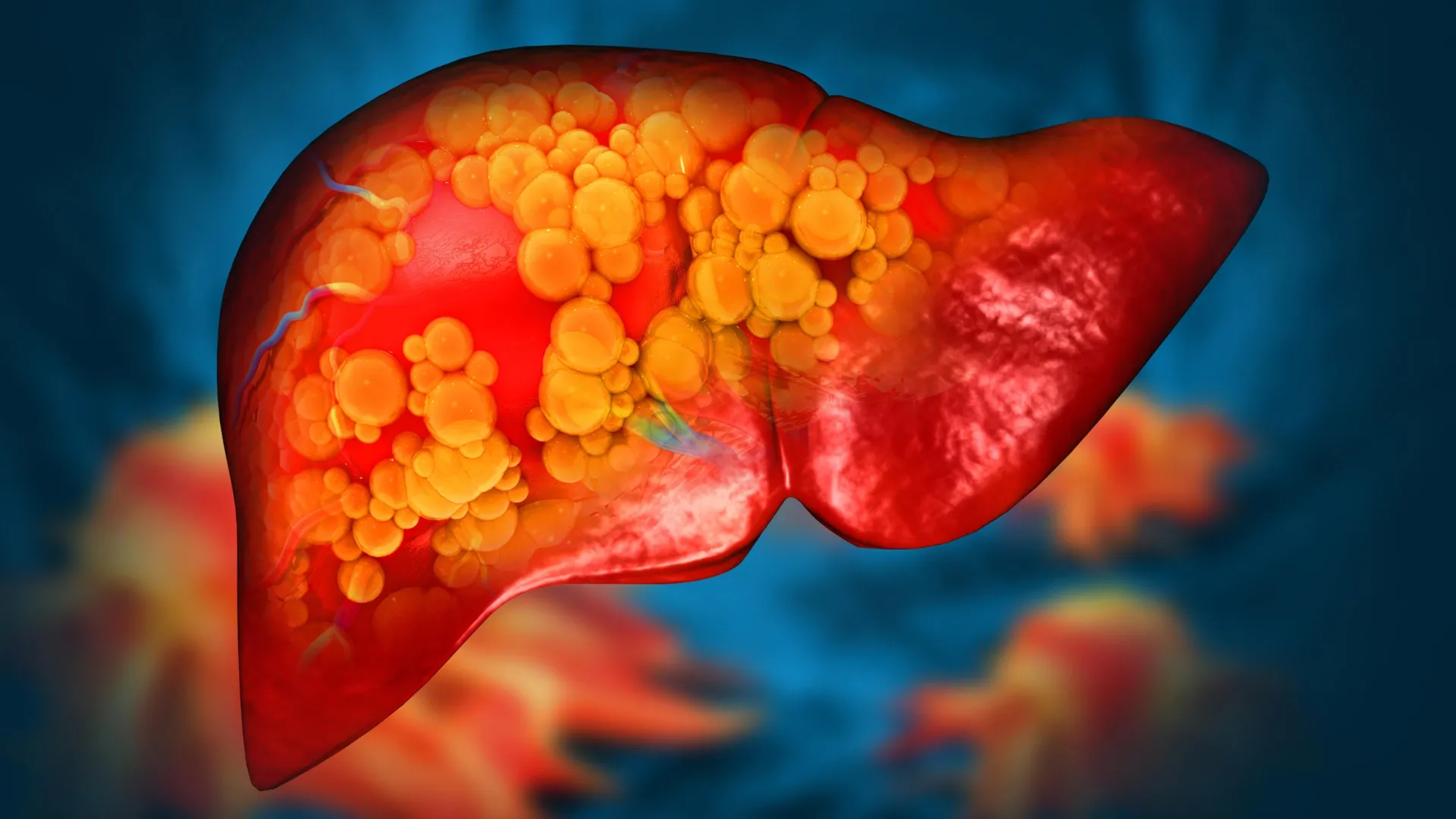
This risk is most acute for the roughly one-in-three American adults living with metabolic dysfunction-associated steatotic liver disease (MASLD). MASLD is characterized by the buildup of fat in the liver, often linked to obesity, Type 2 diabetes, high blood pressure, and high cholesterol. While MASLD is not inherently categorized as an "alcohol-related" disease, the study clarifies that alcohol acts as a powerful catalyst for the progression of fibrosis—the development of harmful, permanent scarring in the liver tissue.
The Chronology of Research: A Six-Year Deep Dive
To reach these conclusions, Dr. Brian P. Lee, a hepatologist and liver transplant specialist at Keck Medicine of USC, and his team conducted an extensive analysis of data from the National Health and Nutrition Examination Survey (NHANES). The study spanned data collected between 2017 and 2023, providing a robust, nationally representative look at American drinking habits and liver health.
The Research Timeline:
- 2017–2023: Data collection period covering more than 8,000 U.S. adults.
- Initial Analysis: The team began by segregating the population into groups based on their drinking patterns: "episodic heavy drinkers" versus "non-episodic" drinkers.
- Controlled Comparison: To ensure accuracy, the researchers compared patients with MASLD who shared the same age, biological sex, and total weekly alcohol volume.
- Correlation Identification: By holding these variables constant, the team isolated the specific impact of the "binge" pattern.
- The Publication: The findings were finalized and submitted to Clinical Gastroenterology and Hepatology, appearing in the medical literature today to shift the clinical understanding of liver pathology.
Supporting Data: The Statistics of Scarring
The data paints a concerning picture of the American landscape. More than half of the study’s participants reported engaging in at least some form of episodic heavy drinking. Within the subset of patients already diagnosed with MASLD, nearly 16% were identified as episodic heavy drinkers.
The correlation between these patterns and liver damage is stark:
- Threefold Risk: Episodic heavy drinkers are 300% more likely to present with advanced liver fibrosis than those who drink the same total amount of alcohol at a steady, moderate pace.
- Demographic Vulnerability: Younger adults and men were significantly more likely to report episodic heavy drinking, marking these groups as high-priority targets for public health intervention.
- Dose-Response Relationship: The study found a clear gradient; as the number of drinks consumed in a single session increased, the degree of liver fibrosis tended to rise in tandem, suggesting that the liver’s threshold for damage is easily breached by high-intensity, short-duration alcohol exposure.
Official Responses and Clinical Perspectives
Dr. Brian P. Lee, the principal investigator of the study, views these findings as a "wake-up call" for both the medical community and the general public.
"This study is a huge wake-up call because, traditionally, physicians have tended to look at the total amount of alcohol consumed—not how it is consumed—when determining the risk to the liver," Dr. Lee stated. "Our research suggests that the public needs to be much more aware of the danger of occasional heavy drinking and should avoid it, even if they drink moderately the rest of the time."
Dr. Lee emphasizes that the liver functions as a complex filter that can be overwhelmed by high concentrations of ethanol. When the liver is already stressed by the metabolic conditions associated with MASLD, the sudden surge of toxins from a night of binge drinking creates an inflammatory "perfect storm." This inflammation is the primary driver of the scarring process that eventually leads to cirrhosis and liver failure.
Furthermore, the study provides context to the broader trend of rising liver disease in the United States. According to Dr. Lee, alcohol-related liver disease has more than doubled in the last two decades. He attributes this, in part, to pandemic-era shifts in drinking behavior—where home-based, higher-volume drinking became more normalized—combined with the rising prevalence of metabolic risk factors like obesity and diabetes.
Implications: Why This Changes the Game
The implications of this research are far-reaching, affecting everything from how doctors screen patients to how individuals perceive their own risk.
1. A Shift in Medical Screening
Healthcare providers must now integrate detailed questions about "drinking patterns" into their patient intake forms. Asking "How many drinks do you have per week?" is no longer sufficient to assess a patient’s true risk profile. Doctors must now inquire about how those drinks are distributed throughout the week to identify those at risk of fibrosis.
2. Redefining "Moderate" Drinking
The study reinforces that even for those who stay within the clinical guidelines for "moderate" drinking (seven drinks or fewer per week for women; 14 or fewer for men), the way those drinks are consumed matters. A patient who consumes 10 drinks in one Saturday night is technically under the weekly threshold, but their liver is undergoing a physiological trauma that the current guidelines fail to capture.
3. Public Health Policy
The findings suggest a need for updated public health messaging. Awareness campaigns often focus on "total intake," but this study suggests the messaging should pivot toward the dangers of "intensity." For those with underlying metabolic conditions, the message is clear: even sporadic heavy drinking can be a catalyst for severe disease.
4. A Broader Patient Population
While the study focused on MASLD, Dr. Lee believes these findings have relevance for the broader population. With more than 50% of the public reporting some level of episodic heavy drinking, the mechanisms of liver injury discovered here may be at play in many other undiagnosed or early-stage liver conditions.
"This issue deserves further attention from both physicians and researchers to help better understand, prevent, and treat liver disease," Dr. Lee concluded.
As science continues to peel back the layers of how lifestyle choices influence internal organ health, this research serves as a sobering reminder: the body does not simply "calculate" the total amount of alcohol it receives. It reacts in real-time to the intensity of the stress it is under. For the liver, the weekend binge is not a harmless indulgence—it is a significant, measurable, and avoidable risk.
This research was supported by a grant from the National Institute on Alcohol Abuse and Alcoholism (grant number K23AA029752). For more information about the clinical programs at the Keck Medicine of USC Liver Health Center, visit news.KeckMedicine.org.