










For decades, the food and beverage industry has marketed low-calorie and artificial sweeteners as "metabolically neutral" tools—substances designed to provide the sweetness of sugar without the caloric burden. However, a groundbreaking study from the University of Cambridge’s Medical Research Council (MRC) Toxicology Unit has challenged this long-standing assumption, suggesting that these additives may be far more biologically active than previously believed.
According to research published in Molecular Systems Biology, many common sweeteners do not simply pass through the digestive tract inertly. Instead, they appear to directly interfere with the growth of gut bacteria, with their impact often amplified or diminished when consumed alongside common medications and food additives.
The Microbiome: A Complex Ecosystem Under Siege
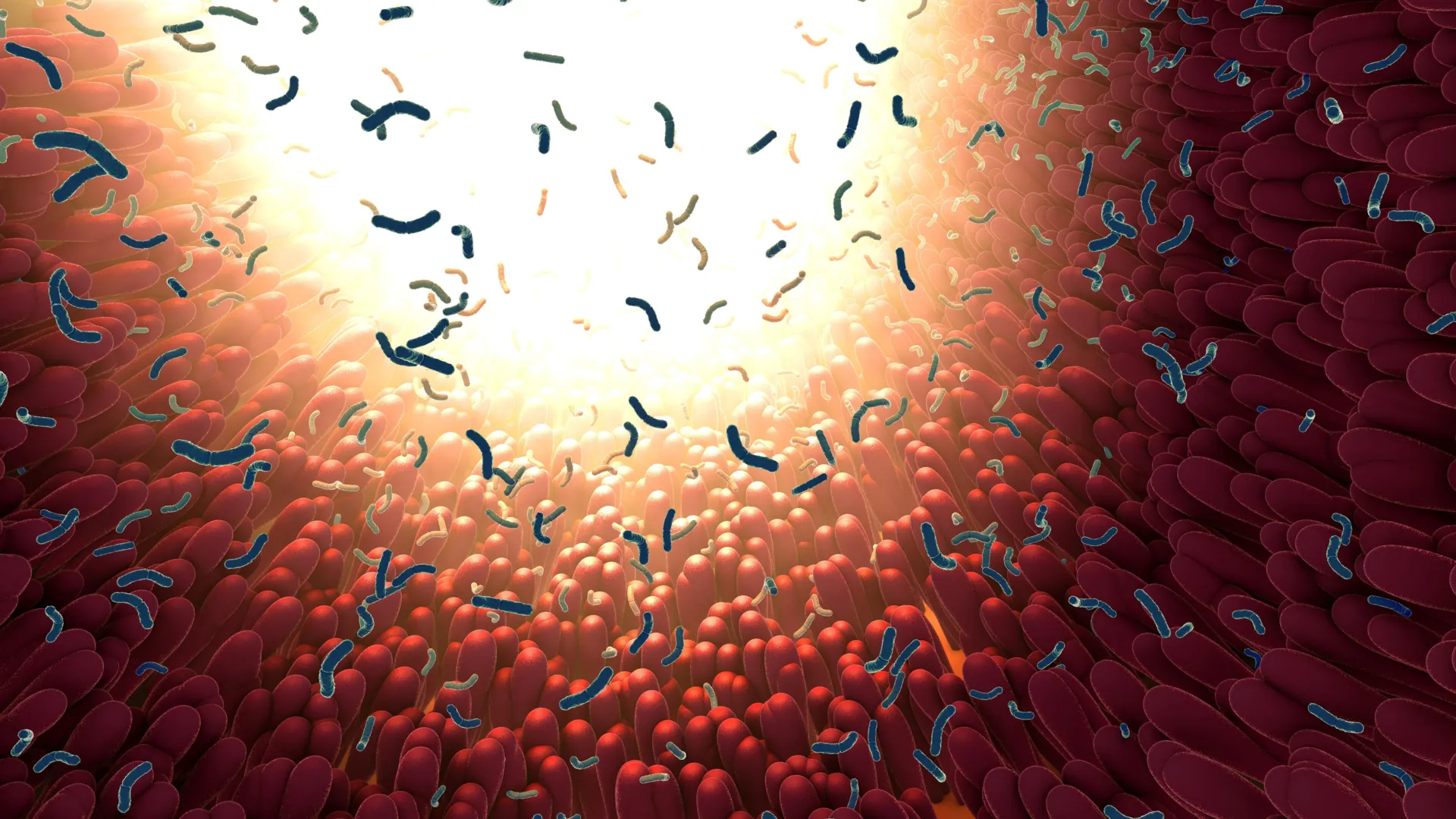
The human gut microbiome—an intricate community of trillions of bacteria, fungi, and other microorganisms—is the engine of human health. These microbes perform critical tasks: breaking down complex carbohydrates, synthesizing essential vitamins, regulating metabolic processes, and training the immune system to distinguish between friend and foe.
Scientific consensus has increasingly linked the diversity of this microbial ecosystem to overall health. Conversely, a reduction in microbial diversity—often termed "dysbiosis"—has been associated with a host of chronic conditions, including obesity, type 2 diabetes, inflammatory bowel disease, and even certain cancers.
While population studies have frequently observed a correlation between high sweetener consumption and these health issues, determining causality has been notoriously difficult. "Most of what we know about the potential impact of sweeteners on our health comes from animal research or from population studies," explains Professor Kiran Patil of the MRC Toxicology Unit. "While these studies have indicated involvement of the microbiome, it has been difficult to pinpoint whether sweeteners act through direct interactions with our gut bacteria."
Chronology of the Investigation
The research team, led by Dr. Sonja Blasche and Professor Patil, set out to strip away the complexities of the human body to observe these interactions in isolation. The study proceeded in three distinct phases:
Phase I: Individual Bacterial Screening
The researchers first isolated 25 distinct bacterial species commonly found in the human gut, including those known to be beneficial, neutral, and potentially pathogenic. Each species was cultured in a laboratory setting and exposed to 39 different commercially available sweeteners, both natural and artificial.
The results were striking: approximately 75% of the tested sweeteners inhibited the growth of at least one of the 25 bacterial species. Several sweeteners were found to completely halt the growth of microbes vital to digestive health and metabolic regulation.
Phase II: Analyzing Synergistic Effects
Recognizing that humans rarely consume sweeteners in isolation, the researchers introduced a new variable: chemical interaction. They paired the 39 sweeteners with substances commonly encountered in the modern diet, such as caffeine, vanillin (vanilla extract), and eight frequently prescribed medications.
The study identified over 100 instances where the presence of a second compound fundamentally altered the effect of a sweetener on the gut bacteria. In 34 cases, the combination produced a more potent inhibitory effect, while in 68 cases, the interaction weakened the sweetener’s impact.
Phase III: The Synthetic Community Model
To approximate the "crowded" environment of the human digestive tract, the team constructed a simplified, multi-species microbial community. They introduced various combinations of sweeteners and drugs into this community to see if the overall balance of the ecosystem would shift. The findings confirmed that when certain combinations were introduced, the overall microbial diversity of the community declined, favoring some species while causing others to collapse.
The Antidepressant-Sweetener Connection
The most significant finding of the study involved a specific interaction between isosteviol—a derivative of stevia often used in food and beverage products—and duloxetine, an antidepressant medication commonly prescribed for depression, anxiety, and chronic pain.
When these two compounds were introduced simultaneously, they acted in tandem to severely suppress the growth of Roseburia intestinalis and Parabacteroides merdae. Both species are considered foundational to a healthy gut; Roseburia, for instance, is known for producing butyrate, a short-chain fatty acid that is critical for colon health and anti-inflammatory responses.
The scale of this interaction is particularly concerning given the prevalence of these substances. With millions of prescriptions for duloxetine issued annually in the United States alone, the potential for widespread, unintended "drug-sweetener-microbiome" interference is a possibility that the researchers believe warrants urgent attention.
Official Responses and Scientific Context
The research team is careful to note that while these findings are significant, they do not constitute a "smoking gun" for human health.
"We are cautious in how we interpret these results," Dr. Blasche noted. "Our study shows that these substances are not metabolically neutral, but we are looking at laboratory models. The human digestive tract is an incredibly complex, dynamic system. When you consume a sweetener in a soda alongside a medication, that compound must survive the acid of the stomach, the digestive enzymes of the small intestine, and the absorption processes of the gut wall before it ever encounters the microbiota in the colon."
Professor Patil emphasized that the study should be viewed as a roadmap for future research rather than a call to overhaul dietary guidelines immediately. "Our study suggests that artificial sweeteners don’t just pass through the body passively," Patil said. "They can interact with gut microbes, and these effects can be amplified or altered by other substances like medications. These findings can help guide new studies toward understanding how sweeteners might influence health in unexpected ways."
Implications for Public Health and Medicine
The implications of the Cambridge study are far-reaching, touching upon the intersection of pharmacology, nutrition, and personalized medicine.
1. Reevaluating "Metabolically Neutral" Labels
For years, the food industry has relied on the premise that artificial sweeteners are safe because they are not metabolized by human cells. If these substances are, in fact, interacting with the trillions of bacteria in our gut, the definition of "safe" may need to be expanded to include the stability of the microbiome.
2. The Rise of "Pharmaco-Microbiomics"
This study contributes to the growing field of pharmaco-microbiomics, which examines how medications and the microbiome interact. If a common medication’s efficacy or side-effect profile is dictated by the composition of a patient’s gut flora, and that flora is being altered by dietary choices like sweeteners, doctors may need to consider "microbiome-friendly" diets for patients on long-term medication regimens.
3. Future Research Directions
The research team is now calling for clinical trials that go beyond the petri dish. Future studies will need to:
- Determine Human Thresholds: Identify at what dosages these interactions occur in real-world human consumption.
- Assess Impact on Health Outcomes: Determine if the observed changes in microbial diversity directly correlate to measurable changes in blood sugar regulation, immune function, or systemic inflammation in humans.
- Account for Variability: Understand how individual differences in genetics and existing microbiome composition influence the impact of sweeteners.
Conclusion: A Shift in Understanding
The University of Cambridge study serves as a critical reminder that the body does not operate in silos. The food we eat, the medications we take, and the microbial communities living within us are engaged in a constant, complex dialogue. By proving that sweeteners can act as potent disruptors of this dialogue, researchers have opened a new chapter in nutritional science.
While the average consumer need not panic over a single diet soda or a pill taken with breakfast, the study underscores a vital point: we are only beginning to understand the long-term biological consequences of the modern, highly processed diet. As research progresses, the focus of public health may shift from merely counting calories to understanding the subtle, biochemical ways in which our food and medicine shape our inner ecosystem.
The study was supported by the European Union’s Horizon 2020 program and the UK Medical Research Council, providing a robust foundation for the work that lies ahead in this evolving field.