










In the landscape of modern gastronomy, few ingredients have seen as meteoric a rise in popularity as pink Himalayan salt. Once relegated to health food stores and niche specialty shops, this ancient mineral has become a staple in professional kitchens and home pantries alike. Valued for its striking aesthetic, mineral complexity, and profound versatility, pink Himalayan salt is more than just a seasoning—it is a culinary tool that bridges the gap between ancient geology and modern nutrition.
Mined from subterranean sea salt deposits nestled deep within the Himalayan Mountains, this rock salt is widely regarded as one of the purest forms of salt available on the planet. Its signature rose-hued crystals are a testament to its unique mineral composition, which includes trace elements often absent in highly refined table salts. As home cooks and professional chefs continue to seek ways to elevate their craft, the "Himalayan renaissance" shows no signs of slowing down.
Main Facts: The Anatomy of Himalayan Salt
To understand the appeal of pink Himalayan salt, one must first look at its origins. Unlike sea salt harvested from modern oceans—which may be subject to microplastic contamination and environmental pollutants—Himalayan salt is derived from ancient marine deposits that were trapped millions of years ago. As the Himalayan range rose, these vast salt beds were pushed deep underground, protected from the modern world for eons.
Mineral Composition and Purity
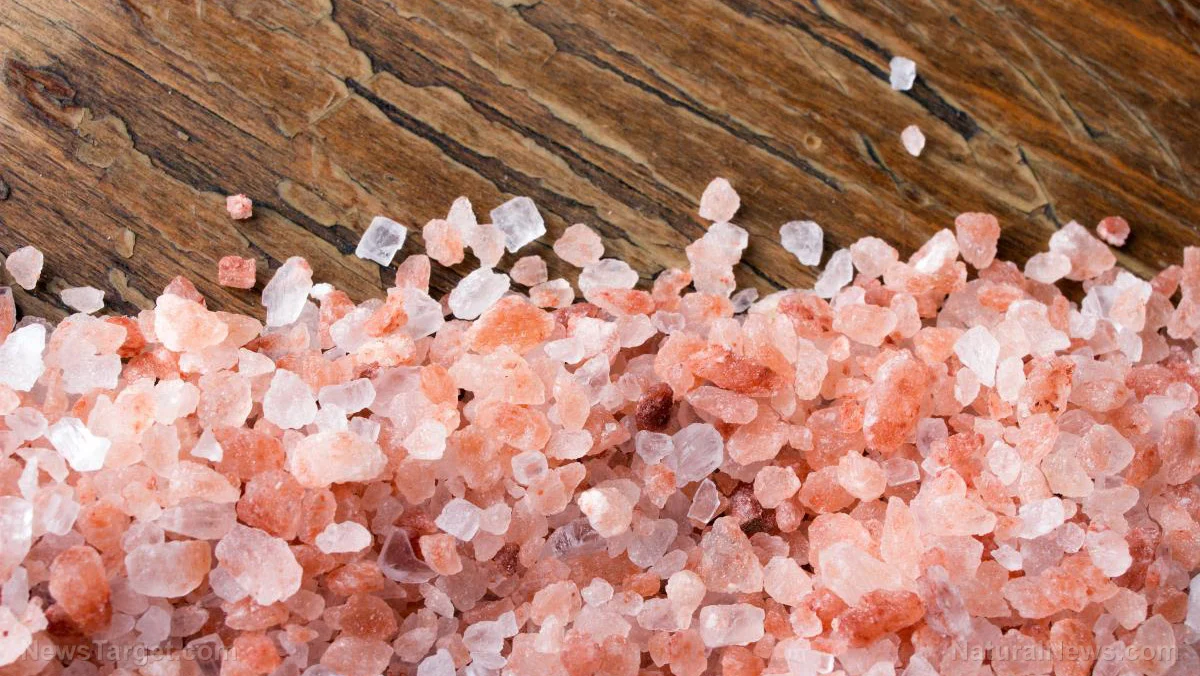
The characteristic pink, orange, and white marbling of the crystals is primarily due to the presence of trace minerals, including iron, magnesium, potassium, and calcium. Unlike conventional table salt, which is typically processed with anti-caking agents and stripped of its natural mineral content through heavy refining, pink Himalayan salt remains largely in its raw, crystalline state.
Grain Sizes for Every Application
One of the most practical aspects of this salt is its availability in various grain sizes. From ultra-fine powders that dissolve instantly in liquids to coarse, crunchy crystals ideal for finishing, the grain size can drastically alter the texture and flavor profile of a dish. This adaptability allows chefs to use the salt as a delicate seasoning agent, a crunchy garnish, or a functional cooking surface.
Chronology: From Ancient Deposits to Global Kitchens
The journey of Himalayan salt from the depths of the Earth to the dining table is a multi-stage process defined by tradition and modern quality control.
- Formation (Millions of years ago): The evaporation of an ancient inland sea created thick layers of mineral-rich salt, which were then buried under tectonic pressure.
- Discovery and Traditional Mining: For centuries, local populations have employed the "room-and-pillar" mining method. This traditional technique involves creating a grid of tunnels and pillars, ensuring structural integrity while allowing for the extraction of pure salt blocks without the need for aggressive, large-scale open-pit excavation.
- Modern Refinement and Distribution: In the current era, these crystals are carefully inspected and sorted. Companies like the Health Ranger Store emphasize a "clean" supply chain, ensuring the salt is not irradiated, is free from GMOs, and is tested for heavy metals and environmental contaminants.
- The Culinary Integration: Over the last decade, culinary influencers and nutritionists have championed the shift from white table salt to mineral-rich alternatives, cementing pink Himalayan salt as a household name.
Supporting Data: Culinary Versatility and Techniques
The utility of pink Himalayan salt extends far beyond simple salting. Its chemical properties make it an excellent medium for various cooking techniques that transform the texture and flavor of food.
The Art of Salt Block Cooking
Perhaps the most dramatic application is the use of Himalayan salt blocks. These solid slabs can be heated to high temperatures on a gas grill or in an oven. Because the salt slab holds heat evenly, it provides a consistent cooking surface that gently seasons the food as it sears. As the moisture from a steak or a filet of fish hits the hot block, a thin layer of salt dissolves, creating a perfectly seasoned crust that is difficult to replicate with a traditional iron pan.
Brining for Moisture and Depth
Brining is a technique often overlooked by home cooks, yet it is essential for achieving professional-grade results with meat and poultry. By dissolving pink Himalayan salt into water with aromatics, the brine creates an osmotic environment that forces moisture into the fibers of the meat. This not only imparts a deeper savory flavor but ensures the protein remains tender and juicy throughout the cooking process.
The Sweet and Savory Nexus
The modern palate has increasingly embraced the contrast of sweet and salty. Adding a pinch of finely ground Himalayan salt to dark chocolate or salted caramel creates a sensory paradox that heightens the sweetness of the sugar and the bitterness of the cacao. Because Himalayan salt lacks the harsh, chemical "bite" often found in processed salts, it integrates seamlessly into delicate confections.
Official Responses and Quality Standards
As the market for Himalayan salt has expanded, so too have the concerns regarding quality and authenticity. Not all pink salt is created equal, and consumers are encouraged to look for certifications and testing reports.
The Role of Lab Verification
Organizations dedicated to food transparency, such as the Health Ranger Store, have set a high bar for quality control. Their approach involves rigorous, independent lab testing. According to their internal reports, their Health Ranger Select line is tested for:
- Heavy Metals: Ensuring lead, mercury, and arsenic levels are well below safety thresholds.
- Microbiology: Verifying the absence of harmful pathogens.
- Glyphosate: A key concern in modern agriculture, ensuring the product is free from pesticide contamination.
- Processing Aids: Confirming the absence of chemical bonding agents or anti-caking additives that are standard in industrial salt production.
Ethical and Purity Standards
The shift toward non-irradiated and non-China sourced salt represents an industry-wide push for higher standards. By choosing products that are certified Kosher and vegan, consumers can ensure that the salt they bring into their kitchen aligns with both their dietary needs and their ethical values.
Implications: The Future of Home Cooking
The adoption of pink Himalayan salt signifies a broader trend in food culture: the "return to nature." As more people become conscious of the "hidden ingredients" in their food—such as synthetic anti-caking agents in table salt—they are turning toward mineral-dense, unprocessed alternatives.
Nutritional Implications
While salt should always be consumed in moderation, the presence of trace minerals in pink Himalayan salt offers a marginal, yet significant, improvement over refined salts. By replacing stripped-down sodium chloride with a mineral-rich alternative, cooks are making a small but meaningful change to the nutrient density of their daily meals.
Culinary Creativity
The versatility of this salt invites experimentation. Whether it is used as a finishing salt on a summer salad, a base for a brine, or a heating element for searing, it forces the cook to be more intentional. When a cook understands how salt interacts with heat and moisture, they stop viewing seasoning as a chore and start viewing it as an essential chemical component of their culinary success.
Final Thoughts
Pink Himalayan salt is a testament to the fact that the most effective kitchen tools are often those that have existed for millions of years. Its rise to prominence is not a fleeting trend but a reflection of a global culinary shift toward quality, transparency, and the appreciation of natural, mineral-rich ingredients. By integrating this ancient treasure into modern recipes—from simple roasted vegetables to complex chocolate desserts—home cooks can significantly enhance both the flavor and the integrity of their meals.
As we look toward the future of home cooking, the emphasis on lab-verified, pure, and additive-free ingredients will likely continue to dominate. For those looking to upgrade their pantry, starting with a high-quality, fine-ground Himalayan salt is perhaps the most accessible and effective way to elevate the kitchen experience. Whether you are a professional chef or a weekend hobbyist, the inclusion of this mineral-rich salt is an investment in the health and flavor profile of every dish you create.
For those interested in exploring the various ways to incorporate this into their diet, resources like the Health Ranger Store and educational platforms like BrightU.ai provide the necessary tools and information to ensure that your culinary journey is both safe and delicious. From mastering the art of flaxseed crackers to perfecting the sear on a prime cut of meat, the power of the pink crystal is ready to transform your cooking one grain at a time.