









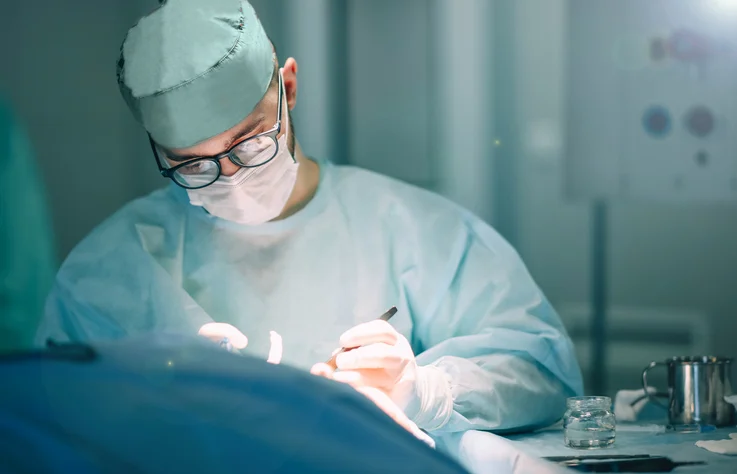
In the high-stakes environment of an operating room, the margin for error is non-existent. Surgeons, often described as the elite athletes of the medical world, undergo years of rigorous training to ensure they can make split-second, life-saving decisions under immense pressure. However, even the most seasoned surgeon is limited by the traditional tools of their trade—two-dimensional scans and their own internalized mental maps.
Today, that paradigm is shifting. The modern operating room is undergoing a digital and physical transformation, moving from static imaging to immersive, patient-specific 3D environments. By leveraging 3D printing, virtual reality (VR), and advanced digital reconstruction, medical teams are now entering procedures with an unprecedented level of preparation. This technological revolution is not merely an incremental upgrade; it is a fundamental change in how physicians approach the world’s most complex surgical cases.
The Evolution of Surgical Visualization: A Chronology
The integration of 3D technology into the clinical space did not happen overnight. The journey from theoretical computer imaging to life-saving bedside application has spanned nearly three decades.
- The Early Era (1990s): Initial efforts in medical 3D printing were largely experimental. Limited by processing power and scan resolution, early models were rough approximations, often used primarily for educational purposes or crude anatomical study rather than direct surgical planning.
- The Digitization Phase (2000s): As CT and MRI technology became more ubiquitous and resolution improved, the field of "segmentation"—the process of isolating specific tissues from medical scans—began to mature. During this period, the software capable of converting "slices" of a patient’s anatomy into coherent 3D volumes became more accessible to radiologists.
- The In-House Revolution (2010s): This decade marked a pivotal shift from outsourcing 3D models to establishing "3D Labs" within major health systems. Institutions like Rady Children’s Health San Diego began integrating biomedical engineers directly into the clinical workflow, creating a symbiotic relationship between technology and patient care.
- The Immersive Present (2020s): We are currently in the era of Extended Reality (XR). Surgeons now routinely use VR headsets to "walk through" a patient’s brain or heart before the first incision is made, interacting with virtual organs as if they were physical objects.
The Anatomy of Innovation: Building a 3D Model
The power of modern 3D modeling lies in its ability to translate raw data into actionable knowledge. The process, while complex, has become remarkably efficient, often capable of producing a physical model in less than 24 hours.
Segmentation and Reconstruction
It begins with the patient’s diagnostic imaging. Using sophisticated software, 3D modeling specialists perform segmentation—the digital "carving" of anatomical structures from the surrounding noise of a CT or MRI scan. Whether it is a minute bone fracture in the foot or the complex, fluid-filled ventricles of a child’s brain, these specialists can render a high-fidelity computer model.
Bespoke Tooling and Guides
Beyond visualization, 3D technology allows for the creation of customized surgical guides. These templates are designed to fit the specific contours of a patient’s anatomy. Equipped with depth markers, they act as a physical "blueprint" for the surgeon. By pre-bending instruments or setting specific drill trajectories using these guides, surgeons can significantly reduce the need for intraoperative adjustments, thereby increasing speed and minimizing tissue trauma.
Supporting the Physician and the Patient
The efficacy of 3D technology is often dictated by the hospital’s organizational structure. When 3D initiatives are siloed—championed only by a single enthusiastic surgeon—the benefits are restricted to a specific department. To achieve the best outcomes, healthcare systems must move toward a centralized, in-house 3D printing service line.
Collaborative Workflows
An in-house lab fosters a culture of collaboration. When biomedical engineers work shoulder-to-shoulder with surgeons, they develop a language of mutual understanding. Some surgeons may prefer the tactile feedback of a physical, sterilized 3D-printed heart model, while others may find the freedom of a VR interface more intuitive. A centralized team can pivot between these mediums, providing the surgeon with the specific visualization tool that best suits their cognitive style and the demands of the procedure.
Bridging the Communication Gap
The utility of 3D modeling extends far beyond the operating table; it is an invaluable tool for informed consent. Communicating the nuances of a complex surgery to a worried family—who may not have a medical background—is a significant challenge. Language barriers and the inherent stress of a medical crisis can make verbal explanations ineffective.
A color-coded, 3D-printed model allows surgeons to move the conversation from the abstract to the tangible. By physically pointing to the area of concern and demonstrating the surgical path, surgeons can provide families with a sense of clarity and confidence that traditional charts simply cannot offer.
Implications for Healthcare Efficiency and Risk
The primary objective of any surgical innovation is to improve patient outcomes, but the secondary impacts—cost, time, and safety—are equally compelling.
Quantifiable Impact
Current data suggests that the use of 3D modeling and printing can reduce operating room time by anywhere from 30 to 90 minutes. In the world of surgery, time is not just money; it is a critical factor in patient safety. Shorter anesthesia exposure, reduced blood loss, and decreased infection risk are the direct byproducts of improved pre-operative planning.
Economic Considerations
While the upfront investment in 3D labs, software, and printing hardware is significant, the long-term economic argument is robust. By reducing the duration of surgeries and minimizing the likelihood of intraoperative complications or follow-up procedures, hospitals see a tangible return on investment. Furthermore, as technology scales, the cost of high-quality 3D printing continues to trend downward, making it a viable standard of care even for mid-sized facilities.
The Road Ahead: Challenges and Future Integration
Despite the clear benefits, widespread adoption of 3D modeling in healthcare faces hurdles. Technology, no matter how advanced, is only as effective as the processes surrounding it.
Cultural Adaptation
The greatest challenge is not the refinement of the 3D printer or the VR headset, but the integration of these tools into the daily workflow of a busy hospital. It requires a shift in how medical systems train their staff and how they allocate resources. As Dr. Justin Ryan, a leader in this field, emphasizes, the future will be defined by how well healthcare systems adapt their processes to support these new capabilities.
Standardizing Quality
As the field matures, the need for standardized guidelines becomes paramount. The work currently being done by the Radiological Society of North America (RSNA) and other professional bodies to establish clinical appropriateness and quality assurance standards is vital. These frameworks ensure that when a patient enters a 3D-supported surgical environment, the quality of the model and the safety of the process are consistent and reliable.
Conclusion
The intersection of medical science and 3D technology has moved beyond the realm of "futuristic concept" to become a cornerstone of modern, patient-centered care. By allowing surgeons to rehearse, visualize, and plan in three dimensions, we are entering an era where the most complex surgeries are performed with a newfound degree of calm and precision.
As hospitals continue to break down silos and build integrated 3D labs, the standard of surgical care will inevitably rise. The ultimate goal remains constant: to support the physician in their quest for excellence, and in doing so, provide the highest possible level of care to the patient. The technology is here, the workflows are being defined, and the future of the operating room is, quite literally, taking shape.
About the Author: Dr. Justin Ryan is a pioneer in biomedical engineering and the director of the Helen and Will Webster Foundation 3D Innovations (3DI) Lab at Rady Children’s Health San Diego. He is a prominent voice in the advancement of extended reality and 3D printing within pediatric medicine, contributing to global standards for clinical quality and best practices.