





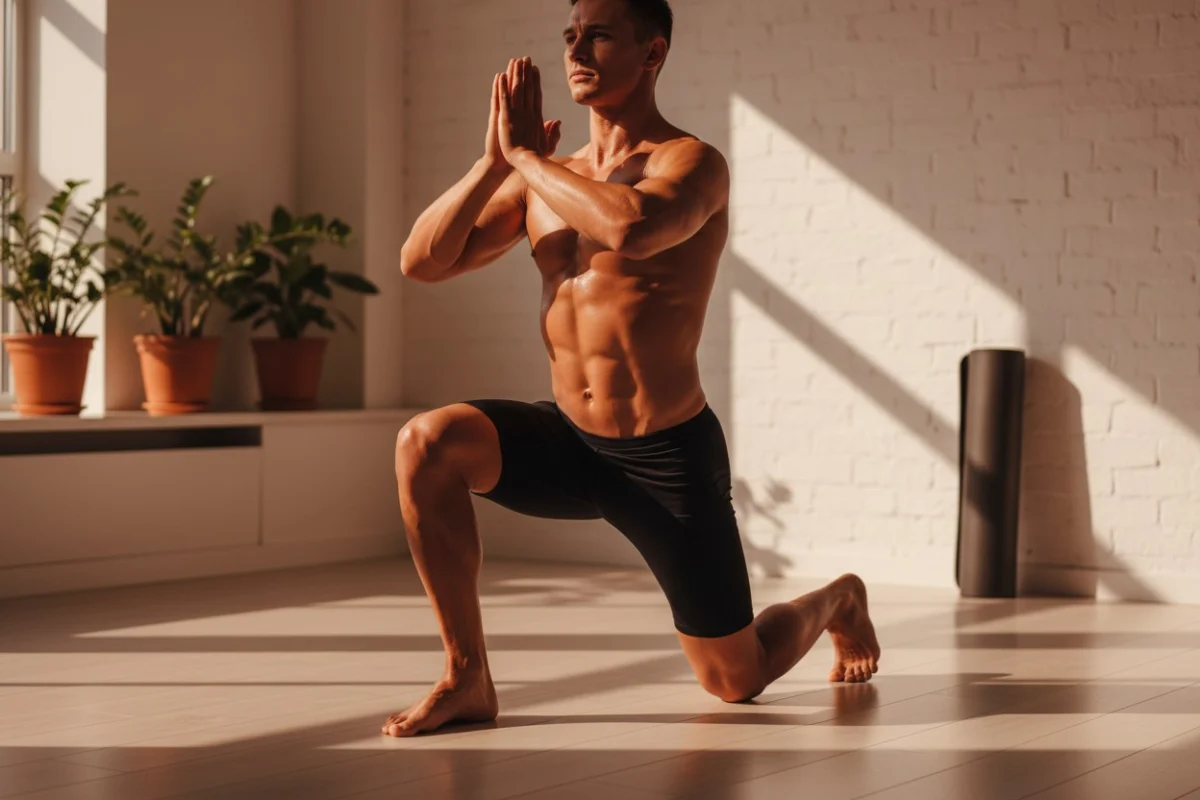
In an era where functional fitness has become the gold standard for healthy aging, occupational therapist Kevin Shelley is bringing a historical perspective back to modern rehabilitation. With over three decades of clinical experience in major healthcare settings, Shelley recently published a comprehensive guide in The Epoch Times titled "Lunge Science: 5 Lunges to Maximize Leg and Core Strength."
The guide serves as a bridge between 17th-century martial arts mechanics and modern physical therapy, offering a low-impact, equipment-free roadmap for improving balance, gait, and lower-body power. As the population ages, the focus on "sure-footedness"—a term Shelley frequently employs—has never been more critical for injury prevention and independent living.
The Biomechanical Origins: From Swordplay to Physical Therapy
While modern gym-goers often view the lunge as a standard bodybuilding staple, its roots are deeply embedded in the art of defense. Shelley notes that the lunge traces its lineage to 17th-century sword-fighting manuals. Specifically, the works of masters such as Salvator Fabris and Ridolfo Capoferro in the early 1600s formalized the lunge as a primary tactical movement.
Biomechanically, the movement is a masterpiece of instability. By stepping out of a neutral base of support while anchoring one foot, the body is forced to engage deep postural stabilizers. This creates a cascade of muscle activation, requiring the core to counteract the shift in center-of-gravity while the legs manage the load. Shelley emphasizes that this is not merely about muscle hypertrophy; it is about "neuromuscular recalibration"—teaching the brain and body to coordinate movement when the center of balance is compromised.
Core Principles and Safety Protocols
Before diving into the mechanics of the five movements, Shelley provides a vital disclaimer: Always consult with a medical provider before initiating a new exercise program.
The exercises outlined are designed to be low-impact, requiring no specialized equipment. This accessibility is by design, intended to allow individuals to practice within the safety of their own homes. The goal is to build strength incrementally, prioritizing form over intensity. Whether an individual is recovering from a sedentary lifestyle or looking to enhance athletic performance, the principles remain the same: controlled range of motion, deliberate breathing, and a focus on the "high-low-high" progression.
A Chronology of the Lunge: The Five Variations
Shelley’s program categorizes the lunge into five distinct variations, each serving a unique role in functional rehabilitation.
1. The Classic Lunge: The Foundation of Stability
The Classic Lunge acts as the entry point to the program. By stepping forward and dropping the back knee toward the floor, the practitioner focuses on the quadriceps and glutes while testing the limits of ankle and trunk stabilization.
- Execution: Stand with feet hip-width apart. Take a large, deliberate step forward. Bend the front knee to a 90-degree angle, lowering the back knee toward the floor.
- Clinical Note: Shelley suggests three sets of 10 repetitions. For beginners, utilizing a chair or countertop for balance is highly encouraged.
2. The Curtsy Lunge: Mastering Lateral Control
The Curtsy Lunge introduces a crossover movement, shifting the focus to the hip abductors and adductors. This is essential for real-world balance, as most falls occur when individuals lose their lateral footing.
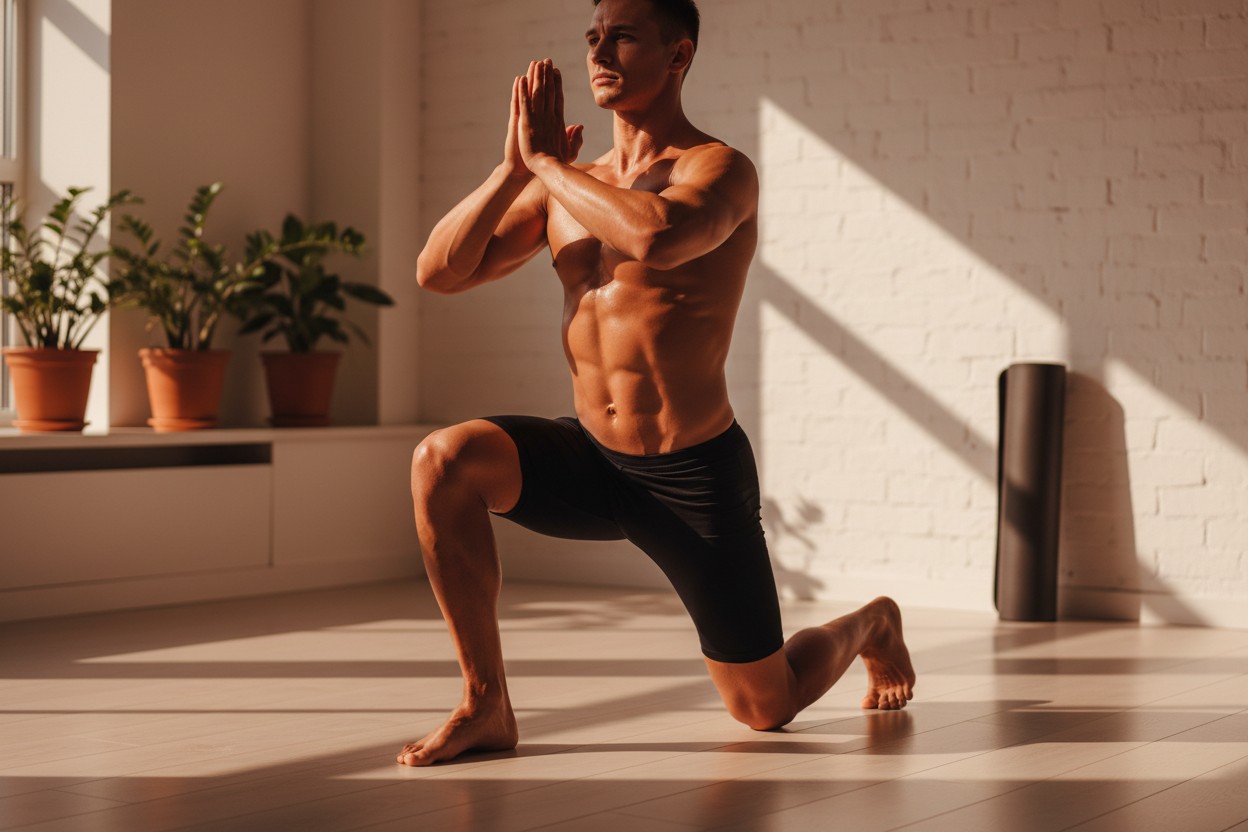
- Execution: Step one foot behind the other at an angle, similar to a curtsy, and lower the back knee.
- Clinical Note: This movement effectively targets the inner and outer thighs, muscles often neglected in standard forward-only training. It is a key intervention for reducing fall risk in older adults.
3. The Lateral Lunge: Restoring the "Rusty" Gait
As we age, human movement patterns often degrade into a simple forward-stepping gait, losing the ability to move comfortably in side-to-side planes. The Lateral Lunge addresses this specific deficit.
- Execution: Stand with hands clasped under the chin. Take a wide step to the side, squatting until the knee reaches 90 degrees while keeping the opposite leg straight.
- Clinical Note: Aim for three sets of 12 repetitions. Shelley describes this as "beautiful for maximizing lateral stepping," effectively breaking the cycle where decreased ability leads to decreased use.
4. The Reverse Lunge: Reducing Knee Stress
The Reverse Lunge is the most knee-friendly variation in the series. By stepping backward, the weight bias remains toward the rear foot, placing significantly less stress on the patella of the leading leg.
- Execution: Take a large step backward, keeping the trunk upright, and return to the starting position.
- Clinical Note: This exercise is excellent for practicing the transition from a kneeling position to standing, a movement that is frequently lost as we age.
5. The Walking Lunge: Dynamic Integration
The Walking Lunge is the pinnacle of the series, requiring the practitioner to move through space while maintaining an asymmetrical base.
- Execution: Step forward into a lunge, then bring the back leg forward to meet the front before transitioning into the next step.
- Clinical Note: This requires significant ankle stabilization and core strength. Shelley advises against rushing; control is the primary objective to ensure the integrity of the gait pattern.
Supporting Data: Why Lunges Matter
The efficacy of the lunge as a rehabilitation tool is supported by the intersection of kinesiology and gerontology. Research consistently shows that lower-body power is a primary predictor of longevity. The loss of muscle mass, or sarcopenia, often begins in the lower extremities, leading to a "functional decline" that starts with the inability to navigate stairs and ends with a loss of independent mobility.
Shelley’s approach aligns with broader clinical fitness recommendations that prioritize "multi-planar movement." While weightlifting focuses on sagittal plane movement (forward/backward), the addition of the curtsy and lateral lunges introduces frontal plane stability. This is crucial, as the human body is designed to move in three dimensions, yet modern life keeps us trapped in two.
Official Responses and Clinical Implications
Physical therapists and occupational therapists who have reviewed Shelley’s work highlight the "asymmetrical load" as the most beneficial aspect of his protocol. In standard squats, the legs work in tandem; in lunges, each leg must manage the body weight independently. This forces the nervous system to rectify imbalances between the left and right sides of the body, which is a common source of chronic back and hip pain.
Furthermore, the emphasis on using household furniture for support is a "democratization of fitness." By removing the barrier of gym memberships or expensive equipment, Shelley ensures that his program is accessible to the demographic most at risk for falls: the home-bound elderly.
Implications for Future Health
The overarching message of "Lunge Science" is that movement is a perishable skill. If not practiced, the ability to lunge—and by extension, the ability to recover from a trip or a slip—will diminish.
- Sure-footedness: Regular practice, defined by Shelley as three to five days per week, builds the proprioceptive awareness required to navigate uneven surfaces.
- Hip Mobility: The dynamic range of motion involved in these five lunges prevents the "freezing" of hip joints, a common complaint in patients with chronic stiffness.
- Progressive Overload: Once the body-weight movements are mastered, Shelley notes that participants can incorporate dumbbells or kettlebells to increase the intensity, proving that this program can scale from geriatric rehabilitation to elite athletic training.
In conclusion, Kevin Shelley’s synthesis of historical movement patterns and modern occupational therapy provides a robust framework for physical longevity. By committing to these five variations, individuals can not only strengthen their legs and core but also secure their functional independence for years to come. As always, the journey to better health begins with a single step—or in this case, a well-executed lunge.