In a landmark development that could signal a new era in immunology, researchers at Charité – Universitätsmedizin Berlin have successfully utilized CAR T-cell therapy—a tool originally engineered to hunt down and destroy cancer—to treat severe, treatment-refractory rheumatoid arthritis. This world-first clinical trial, the results of which were recently published in the prestigious journal Nature Medicine, suggests that it may finally be possible to "reset" a patient’s immune system, offering a potential cure for a condition that has historically been managed only through lifelong, often ineffective, suppression.
Main Facts: A Paradigm Shift in Autoimmune Care
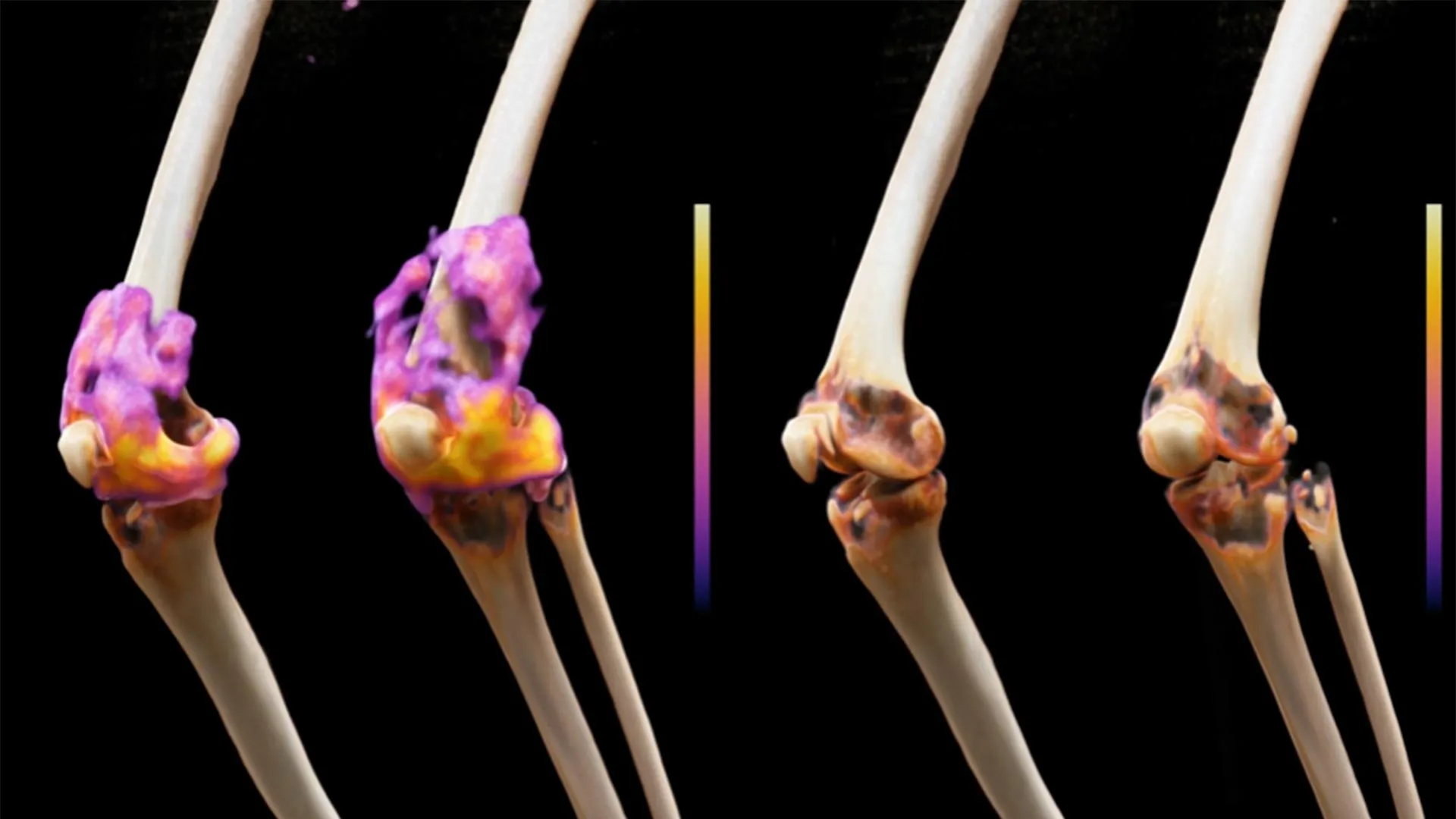
Rheumatoid arthritis (RA) is a chronic, debilitating autoimmune disease characterized by a malfunctioning immune system that misidentifies joint tissue as a foreign threat. This leads to persistent inflammation, debilitating swelling, and, if left unchecked, permanent joint destruction. For millions of people worldwide, current standards of care involve a cocktail of anti-inflammatory drugs and immunosuppressants. While these treatments can manage symptoms, they rarely address the root cause, leaving many patients trapped in a cycle of pain and declining quality of life.
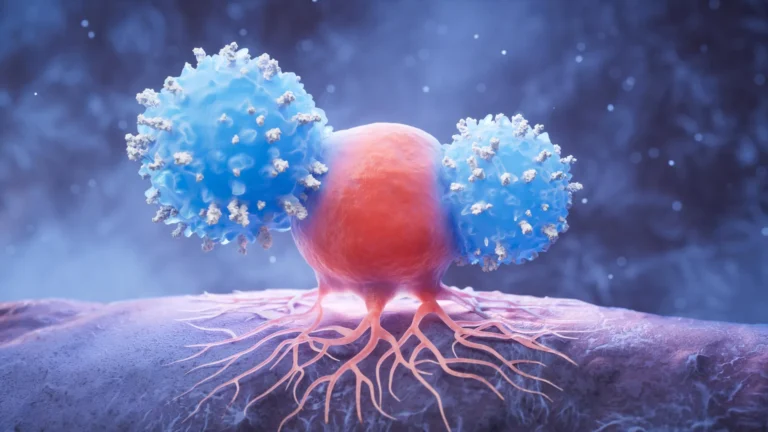
The breakthrough at Charité centers on CD19 CAR T-cell therapy. By modifying a patient’s own T cells to recognize the CD19 protein—a "name tag" found on the surface of B cells—scientists have created a precision-guided weapon. These engineered cells infiltrate deep tissue reservoirs, such as lymph nodes, bone marrow, and joint linings, to eliminate the rogue B cells that sustain the autoimmune response. Following this "clearing" process, the immune system is essentially rebooted, potentially allowing it to regenerate without the "memory" of the disease-driving antibodies that previously fueled the inflammation.
Chronology of the COMPARE Trial
The journey toward this clinical milestone began with the observation that conventional therapies were failing a specific subset of patients. For those with "treatment-refractory" RA, who have cycled through multiple biologics and targeted therapies without success, the clinical team at Charité, led by Prof. David Simon and Prof. Gerhard Krönke, sought a more radical solution.
- Patient Enrollment: The team recruited six individuals—three men and three women, aged 31 to 69—who had collectively tried up to eight different advanced therapies over the previous decade without achieving remission.
- Laboratory Engineering: T cells were extracted from each patient’s blood. In a high-tech laboratory setting, these cells were genetically modified to express a chimeric antigen receptor (CAR) designed to lock onto CD19.
- Preparatory Chemotherapy: Before reintroducing the modified cells, patients underwent a brief course of chemotherapy. This was a critical step, as it depleted existing immune cell populations, creating the biological "space" necessary for the CAR T cells to expand and function.
- The Infusion: A single dose of the engineered T cells was administered.
- Monitoring Phase: Over the following 12 months, researchers tracked disease activity, autoantibody levels, and safety markers. The results showed a significant, sustained decline in disease activity across all participants, with three patients achieving drug-free remission.
Supporting Data: Why the Results Matter
The data emerging from the first phase of the COMPARE trial is striking. Not only did every participant report a marked reduction in disease activity, but the therapy demonstrated a capability that standard drugs lack: the ability to reach "hidden" reservoirs of the disease.
Reaching Deep Tissue Reservoirs
Traditional medications often struggle to penetrate the complex microenvironments of bone marrow and inflamed joint tissue. The CAR T-cell approach, however, proved capable of systemic reach. Post-treatment analysis showed a sharp drop in the levels of rheumatoid factor and other autoantibodies, indicating that the source of the autoimmunity—the disease-promoting B cells—had been effectively eradicated.
Preserving Protective Memory
A major concern with any therapy that "resets" the immune system is the risk of losing long-term protection against past infections. Crucially, the researchers found that antibodies generated by previous vaccinations (such as tetanus and chickenpox) remained detectable in the blood of participants. This indicates that while the therapy performed a "deep clean" of the pathogenic B cells, it spared the essential memory cells required for ongoing immunity against common pathogens.
Safety and Tolerance
The safety profile, monitored by Dr. Marie Luise Hütter-Krönke, was described as encouraging. All six participants experienced a temporary, mild-to-moderate cytokine release syndrome (CRS), a known side effect of CAR T-cell therapy that was easily managed with standard clinical protocols. Notably, there were no severe neurological complications or opportunistic infections, which are common points of concern in intensive immunotherapy.
Official Responses and Clinical Perspective
The researchers involved in the study are careful to frame these results as "highly encouraging" while maintaining a measured, scientific outlook.
"Disease activity decreased markedly in all six patients," stated Prof. Gerhard Krönke. "During follow-up of up to one year, three patients were in sustained remission without any medication for rheumatoid arthritis. This is particularly remarkable given that none of the established treatments had previously been able to relieve their symptoms adequately."
Prof. David Simon, who designed the trial, explained the underlying mechanism: "When the B-cell system later recovered, predominantly naïve B cells that had not yet been shaped by the disease returned. In contrast, the B cells directed against the body’s own tissues were no longer detectable in almost all patients—an indication that the treatment may indeed be able to reset the pathological immune memory."
Dr. Marie Luise Hütter-Krönke emphasized the manageable nature of the side effects: "We observed only a temporary, mild-to-moderate cytokine release syndrome in all participants, which was readily manageable. There were no severe neurological complications or other serious adverse events."
Implications for the Future of Medicine
The implications of this trial extend far beyond rheumatoid arthritis. If a single infusion of engineered cells can effectively treat a chronic condition by resetting the immune system, the door is opened to applying similar techniques to other autoimmune diseases, such as lupus, systemic sclerosis, and potentially multiple sclerosis.
Moving to Phase Two
The transition to the second phase of the COMPARE trial is already underway. The researchers are now enrolling ten additional patients to compare the efficacy of CAR T-cell therapy directly against currently approved B-cell depleting drugs. This head-to-head comparison is vital to determine whether CAR T cells offer a superior, long-lasting clinical advantage that justifies the high cost and complexity of the manufacturing process.
The Challenge of Scalability
While the clinical results are revolutionary, the "personalized" nature of CAR T-cell therapy—which requires a bespoke manufacturing process for every individual patient—presents significant logistical and economic hurdles. For such a therapy to become a standard of care, the medical community will need to address how to scale production, reduce costs, and ensure that the therapy can be delivered safely in specialized centers outside of elite research universities.
A New Philosophy of Treatment
Perhaps the most profound shift is in the philosophical approach to autoimmune disease. For decades, the goal of rheumatology has been the continuous, lifelong suppression of the immune system to prevent flare-ups. The work at Charité suggests a pivot toward a curative model: identify the rogue elements, purge them, and allow the body to rewrite its own immune script.
While the researchers emphasize that the therapy remains experimental and requires long-term observation, the early success of the COMPARE trial offers a beacon of hope for the millions of patients who currently face a lifetime of managing symptoms. We are witnessing the birth of a "biological reboot" for the human body, turning the weapons of oncology against the silent, persistent threats of autoimmunity.
About the Study: The COMPARE trial is a collaborative effort between the Department of Rheumatology and Clinical Immunology and the Department of Hematology, Oncology, and Cancer Immunology at Charité – Universitätsmedizin Berlin. The study also involved researchers from the Cluster of Excellence ImmunoPreCept, the German Rheumatology Research Center (DRFZ), and the Fraunhofer Institute for Translational Medicine and Pharmacology ITMP. While Kyverna Therapeutics provided support, the company had no involvement in the study’s design or data analysis, ensuring the scientific integrity of these groundbreaking findings.