









In the modern landscape, anxiety has become a defining characteristic of the human experience. While the term is frequently used in casual conversation to describe the fleeting jitters of a looming deadline or a difficult conversation, clinical anxiety is a far more pervasive force. It is a complex psychological landscape involving persistent worry—about finances, professional stability, interpersonal relationships, or physical health—that transcends the boundaries of normal concern and begins to erode one’s overall well-being.
As anxiety rates climb globally, a pressing question has emerged for parents, educators, and mental health professionals alike: To what extent are we passing our own anxieties down to the next generation? The intersection of genetics and environment suggests that while anxiety is not a "choice," it is a condition that can be inadvertently cultivated within the home.
The Anatomy of Anxiety: Defining the Disorder
To address the issue, one must first distinguish between situational stress and an anxiety disorder. Anxiety disorders are characterized by excessive, persistent fear and apprehension that interfere with daily functioning. In children, this often manifests as academic struggles, social withdrawal, sleep disturbances, or a sudden inability to concentrate. In adults, the manifestations are equally debilitating, impacting workplace performance, the stability of romantic partnerships, and long-term physical health.
The disorder is multidimensional, manifesting through physical symptoms (racing heart, fatigue), emotional instability (irritability, dread), and behavioral changes (avoidance, ritualistic behavior). Because these symptoms are so deeply ingrained in our daily habits, they often go unnoticed until they reach a breaking point.
The Genetic Component: Nature vs. Nurture
The question of whether anxiety is hereditary is a point of significant scientific inquiry. Genetic studies suggest that heritability rates for anxiety disorders range from 30% to 67%. If a child has a first-degree relative—a parent or sibling—who has been diagnosed with an anxiety disorder, their statistical likelihood of experiencing a similar condition throughout their lifetime increases significantly.
However, genetics are not a death sentence. The "contagious" nature of anxiety is not solely biological; it is profoundly environmental. The relationship between parents and their children creates a feedback loop of emotional regulation. A landmark study published in the American Journal of Psychiatry, which analyzed 900 families with twins as parents, provided a compelling look at this dynamic. The findings suggest that anxiety traits can be learned through observational modeling. In this cycle, a child’s own anxiety can, in turn, intensify a parent’s feelings of distress, creating a self-perpetuating system.
The Hidden Impact: "Anxious Talk" and Environmental Cues
Children are remarkably perceptive, possessing an innate ability to tune into adult conversations at the most inconvenient moments. They often act as emotional sponges, absorbing the tone and content of their parents’ worries.
When parents discuss distressing topics—such as news of global conflicts, economic instability, or community violence—within earshot of their children, the children often attempt to "fill in the gaps." Because they lack the cognitive maturity to process complex geopolitical or social fears, they often internalize these narratives, transforming adult concerns into personal phobias. This "anxious talk" creates an environment of perceived instability, leading children to believe that the world is a fundamentally dangerous place.
The Trap of Avoidance and Overprotection
One of the most common, yet damaging, ways anxiety is transmitted is through the behavioral pattern of avoidance. When a parent experiences a phobia—for instance, an irrational fear of dogs stemming from a past trauma—they naturally seek to avoid that stimulus. While this is a rational self-preservation tactic for the adult, it teaches the child that the stimulus is inherently dangerous.
The Overprotection Paradox
Similarly, parental overprotection is often rooted in love, yet it serves as a fertilizer for anxiety. When parents prevent children from climbing trees, discourage them from participating in contact sports, or constantly warn them of hypothetical dangers, they are sending a singular, powerful message: "The world is unsafe, and you are not equipped to handle it."
This "risk-averse" parenting style denies children the opportunity to experience calculated risks. Resilience is built through the trial and error of childhood; when children are shielded from the possibility of failure or minor injury, they never develop the confidence to assess their own limits.
Implications: Breaking the Cycle
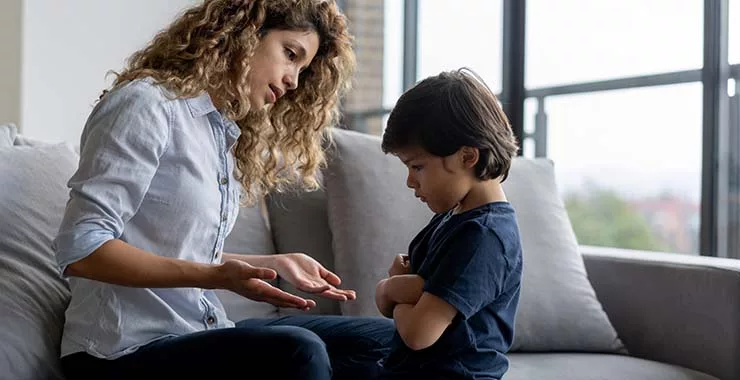
The realization that parenting styles contribute to the development of anxiety is not meant to induce guilt, but rather to empower change. Parents have a unique capacity to proactively reduce their child’s anxiety by adjusting their own reactions and demonstrating resilient coping strategies.
Proactive Self-Monitoring
The first step toward change is awareness. Parents should consider maintaining a "trigger log." By recording the timing of anxiety spikes, the specific situations that preceded them, and their internal thoughts during those moments, parents can identify the patterns that contribute to their emotional distress. Understanding these trigger points is the key to preventing them from being projected onto the child.
Encouraging Positive Challenges
Resilience is a muscle that must be exercised. If a parent suffers from social anxiety, they may be tempted to avoid social gatherings entirely, thereby limiting their child’s social development. A more constructive approach involves "exposure-based" parenting. For example, if a parent finds large crowds overwhelming, they might facilitate their child’s participation in a group activity while opting to sit on the sidelines or engage in a separate, calming activity. This demonstrates that one can manage discomfort without avoiding the challenge entirely.
The Power of Healthy Coping
Children do not always listen to what we say, but they rarely miss what we do. When parents openly model healthy coping mechanisms, they teach their children that anxiety is a manageable state rather than an insurmountable obstacle.
- Mindfulness and Grounding: Demonstrating deep breathing exercises during moments of frustration shows children that there are physiological tools to regulate the nervous system.
- Externalization: Discussing worries in a constructive way—labeling them as "thoughts" rather than "facts"—helps children detach from their fears.
- Encouraging Autonomy: Allowing children to face age-appropriate challenges without interference helps them build the internal belief that they can navigate difficulties independently.
A Path Forward
Anxiety’s impact is broad, reaching into the classroom, the workplace, and the most intimate corners of our personal lives. However, it is not an inevitable inheritance. By recognizing the environmental factors that contribute to anxiety, parents can break the cycle of fear.
The goal is not to create a life free of anxiety—which is an impossibility—but to cultivate a life defined by resilience. When parents commit to their own emotional regulation and provide their children with the space to navigate the world’s challenges, they are providing the most valuable gift of all: the belief that they are capable, prepared, and ready to face whatever comes next.
As we move forward, it is essential that society continues to prioritize mental health education, providing families with the resources to identify these patterns early. Through intentional parenting and open, honest dialogue, we can shift the narrative from one of inherited fear to one of learned strength.