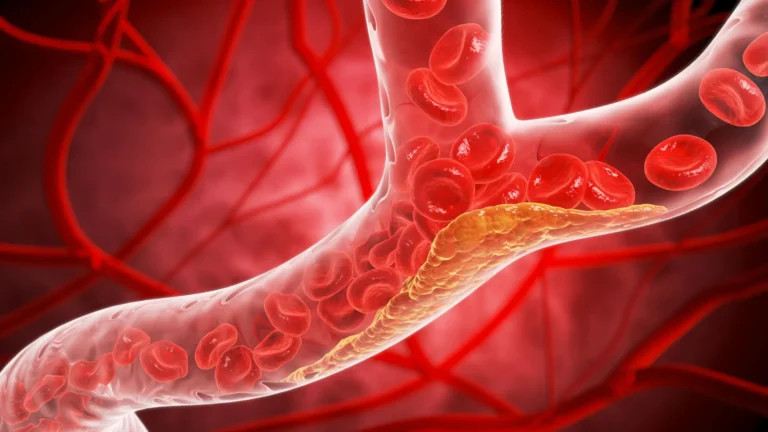











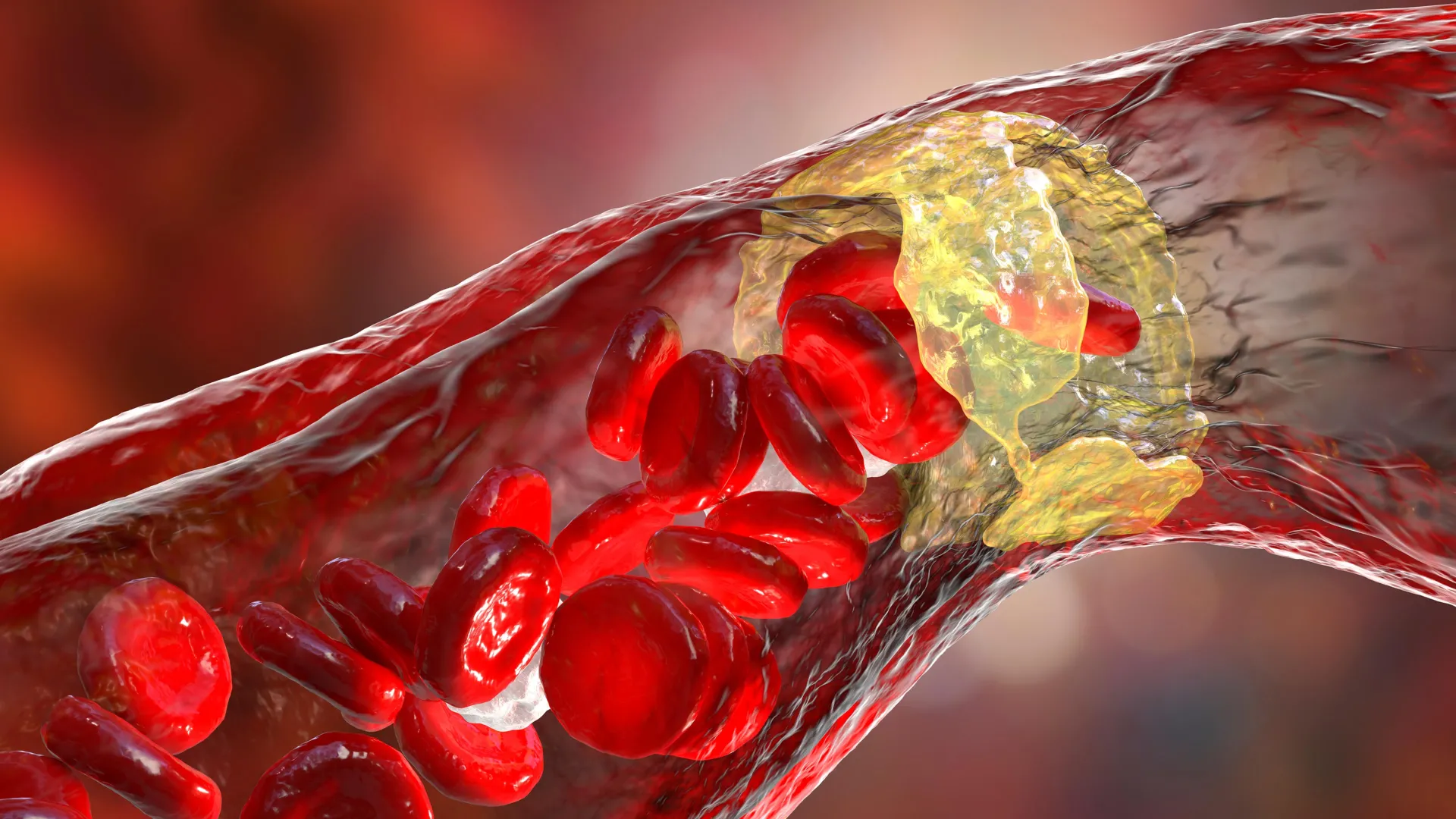
In an era where synthetic polymers have become ubiquitous, from the packaging of our food to the fibers in our clothing, a sobering new reality is emerging: the very materials that define modern convenience may be fundamentally altering our cardiovascular health. A groundbreaking study conducted by researchers at the University of California, Riverside (UCR), has uncovered a direct link between the routine ingestion of microplastics and the accelerated progression of atherosclerosis—the hardening and narrowing of the arteries that serves as the primary precursor to heart attacks and strokes.
The study, published in the journal Environment International, provides some of the most compelling evidence to date that microplastics are not merely inert environmental pollutants, but active biological disruptors capable of triggering systemic arterial injury. Perhaps most startling is the study’s revelation of a pronounced sex-specific vulnerability, with male subjects exhibiting significant plaque accumulation while females remained largely unaffected under identical exposure conditions.
The Invisible Culprit: A Ubiquitous Environmental Hazard
Microplastics—defined as plastic particles smaller than five millimeters—have successfully infiltrated every corner of the global ecosystem. They are pervasive in our soil, our oceans, the air we breathe, and, increasingly, the food and water we consume. Recent clinical investigations have already confirmed the presence of these synthetic particles within human atherosclerotic plaques, raising urgent questions about whether these particles are merely passive bystanders or active agents of disease.
Until now, the correlation between microplastic presence and cardiovascular pathology remained speculative. The UCR study, led by Changcheng Zhou, a professor of biomedical sciences at the UCR School of Medicine, marks a critical shift in the scientific consensus by suggesting a causative role for these pollutants in arterial decay.
The Study Design: Replicating Real-World Risks
To isolate the effects of microplastic exposure from traditional health variables, the research team employed a sophisticated mouse model known as the LDLR-deficient model, which is widely utilized in cardiovascular research due to its predisposition to developing atherosclerosis.
The researchers maintained both male and female mice on a low-fat, low-cholesterol diet, mimicking the nutritional intake of a lean, health-conscious human. Over a nine-week period, the team administered a daily dose of microplastics equivalent to 10 milligrams per kilogram of body weight. This dosage was carefully calibrated to reflect the real-world levels of ingestion that a human might experience through contaminated water, processed food, and environmental inhalation.
By keeping the mice on a "healthy" diet, the researchers ensured that the observed cardiovascular damage could not be attributed to standard risk factors such as obesity, metabolic syndrome, or high cholesterol, thereby isolating the microplastics as the primary variable for vascular distress.
The Biological Toll: A Study in Sex-Based Disparity
The results of the nine-week trial were stark. Among male mice, microplastic exposure triggered a significant acceleration of atherosclerosis. Researchers documented a 63% increase in plaque buildup within the aortic root—the critical segment of the aorta attached to the heart—and a massive 624% increase in the brachiocephalic artery, a vital vessel branching from the aorta that supplies blood to the head and arms.
Conversely, the female mice exposed to the exact same dosage exhibited no significant increase in plaque progression. This divergence suggests that biological sex plays a protective or susceptibility-related role in how the body processes or reacts to plastic accumulation.
"Our findings fit into a broader pattern seen in cardiovascular research, where males and females often respond differently," Dr. Zhou explained. While the exact mechanism remains under investigation, the research team hypothesizes that genetic and hormonal factors are at play. "Factors like sex chromosomes and hormones, particularly the protective effects of estrogen, may play a significant role in mitigating the inflammatory response to these particles."
Cellular Sabotage: How Microplastics Attack the Arteries
To understand why these particles cause such localized damage, the UCR team utilized single-cell RNA sequencing, a cutting-edge technique that allows scientists to observe gene activity within individual cells. The results pointed to a specific point of failure: the endothelial cells.
Endothelial cells form the delicate inner lining of the blood vessels. They are responsible for regulating inflammation and maintaining healthy blood circulation. The study found that these cells were the most severely impacted by microplastic exposure. Because they are the first to encounter circulating microplastics in the bloodstream, their dysfunction acts as a "ground zero" for inflammation.
When endothelial cells are compromised, they lose their ability to manage the vascular environment, creating a hospitable landscape for the accumulation of cholesterol and the formation of atherosclerotic plaques. Using fluorescent-labeled microplastics, the researchers were able to track the particles as they embedded themselves directly into the arterial lesions, confirming that they don’t just pass through the body—they accumulate in the most vulnerable tissues.
Furthermore, the team observed that microplastics triggered the activation of pro-atherogenic (plaque-promoting) gene pathways in both murine and human endothelial cells. This suggests that the biological response to plastic ingestion is not limited to mice; it is a fundamental reaction that may occur in human vascular tissue as well.
Official Responses and Public Health Implications
The implications of this study are profound, suggesting that the "plastic crisis" is a health crisis as much as it is an environmental one. As the concentration of microplastics in our food chain continues to rise, the potential for an increase in cardiovascular events among the population becomes a pressing public health concern.
Dr. Zhou emphasizes that while complete avoidance is currently impossible due to the ubiquity of plastic in modern infrastructure, harm reduction is essential. "The best strategy is to reduce exposure by limiting plastic use in food and water containers, reducing single-use plastics, and avoiding highly-processed foods," he stated. "There are currently no effective ways to remove microplastics from the body, so minimizing exposure and maintaining overall cardiovascular health—through diet, exercise, and managing risk factors—remains the most essential line of defense."
The study, which included collaboration from experts at Boston Children’s Hospital, Harvard Medical School, and the University of New Mexico Health Sciences, received partial funding from the National Institutes of Health (NIH), underscoring the growing institutional interest in the long-term health effects of synthetic polymers.
The Path Forward: Future Research Directions
While the current findings provide a robust foundation for understanding the risks of microplastics, they also open new doors for necessary inquiry. The research team is now shifting its focus toward the nuances of this contamination.
Future research goals include:
- Particle Characterization: Determining if the size, shape, or chemical composition of specific microplastics alters the severity of the cardiovascular response.
- Molecular Mechanisms: Deep-diving into the specific signaling pathways that differ between males and females, potentially identifying therapeutic targets to protect the vascular system.
- Human Clinical Trials: Moving beyond animal models to assess whether human populations with higher concentrations of microplastics in their blood show an equivalent increase in arterial inflammation.
"As microplastic pollution continues to rise worldwide, understanding its impacts on human health—including heart disease—is becoming more urgent than ever," Dr. Zhou concluded.
The study, titled "Microplastic exposure elicits sex-specific atherosclerosis development in lean low-density lipoprotein receptor-deficient mice," serves as a clarion call for the scientific community and the general public alike. As we continue to navigate a world saturated with plastic, the necessity for stringent environmental regulations and personal health vigilance has never been clearer. The evidence suggests that our cardiovascular system is under siege by the very materials meant to simplify our lives, and the time to investigate and address these silent, synthetic threats is now.