










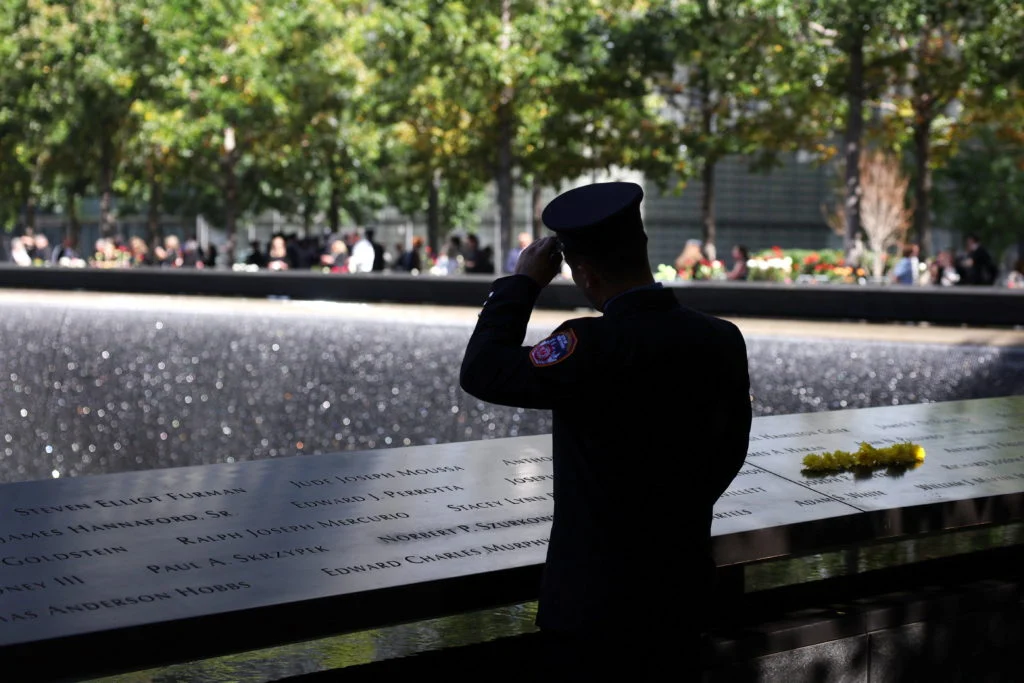
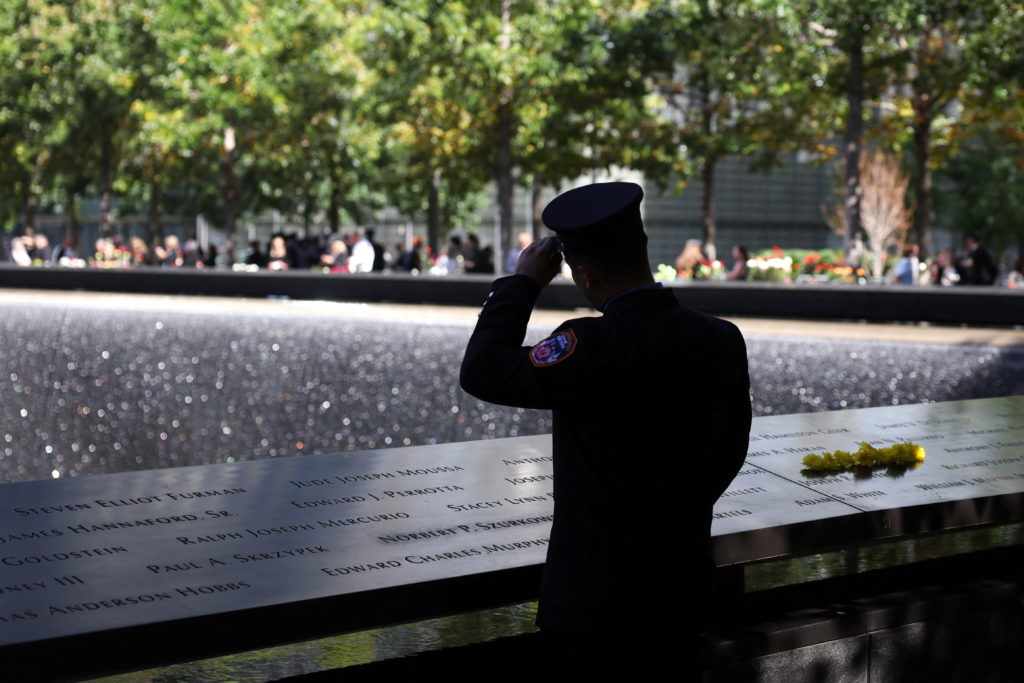
Twenty-five years after the collapse of the World Trade Center towers, the echoes of that fateful September morning remain deafening for those who stood on the front lines. For the hundreds of firefighters, paramedics, construction crews, and volunteers who descended into the "Pile" at Ground Zero, the memory is not a distant historical event—it is a sensory, visceral, and ongoing reality. They recall the thick, acrid dust that obscured their vision, the metallic tang of burning jet fuel and pulverized concrete, and the unrelenting, desperate mandate to find survivors.
As a physician specializing in occupational health, I have spent years documenting the long-term health trajectories of these individuals. Their stories are hauntingly consistent: even two and a half decades later, many struggle with the cognitive, emotional, and physical scars of their service. However, current medical research is revealing that their suffering goes beyond the psychological—it is biological. The combination of intense trauma and exposure to toxic environmental pollutants appears to be physically aging their brains at an accelerated rate, creating a silent health crisis that demands urgent attention.
The Anatomy of a Disaster: A Chronology of Exposure
To understand the health decline observed in 9/11 responders, one must first recognize the unique nature of their exposure. The rescue and recovery effort at the World Trade Center was not a singular event but a prolonged, months-long operation characterized by extreme stressors.
- The Initial Hours (September 2001): First responders were thrust into an environment of total sensory overload. Amidst the chaos, they faced the immediate, life-threatening danger of structural instability and the overwhelming task of searching for victims.
- The Recovery Phase (Late 2001 – 2002): The cleanup operation involved the removal of over 1.8 million tons of debris. Workers were exposed to a "toxic cocktail" of pulverized concrete, glass fibers, asbestos, lead, mercury, and polycyclic aromatic hydrocarbons (PAHs).
- The Chronic Aftermath (2003 – Present): While the physical debris was cleared, the physiological impact remained. Over the subsequent two decades, survivors began reporting a constellation of symptoms—memory lapses, "brain fog," severe mood disorders, and persistent anxiety—that often co-occurred with chronic physical illnesses.
This chronology is mirrored in modern tragedies. Whether it is the response to the 2026 earthquake disasters in South America and Indonesia, or the cascading hazards of major floods in Nepal, the archetype of the "first responder" remains the same: a human being forced to operate in extreme conditions, often surrounded by human remains, toxic fumes, and an environment that defies biological homeostasis.
The PTSD-Cognitive Decline Nexus
Post-traumatic stress disorder (PTSD) is frequently viewed through a psychological lens, but it is a systemic condition. It arises from the brain’s inability to process extreme violence or life-threatening circumstances, leading to a state of chronic hyper-arousal.
The statistics among 9/11 responders are sobering. While the U.S. general population faces a lifetime PTSD prevalence of approximately 6%, roughly 23% of World Trade Center responders have been clinically diagnosed with the disorder. For these individuals, the past is not behind them; it is a recurring present. Intrusive memories, sleep disturbances, and emotional instability are not merely symptoms of a mental health condition—they are indicators of a brain that has been forced to exist in a constant state of "fight or flight."
My clinical interviews reveal that these responders do not see their PTSD and their fading cognitive sharpness as separate issues. They are deeply intertwined. A responder who suffers from severe sleep deprivation due to PTSD is also a responder whose brain cannot perform the essential "housekeeping" tasks required for memory consolidation and neural repair. Over time, this emotional distress acts as a catalyst for cognitive decline.
Supporting Data: The Evidence of Accelerated Aging
The most compelling, and perhaps most concerning, evidence for this phenomenon comes from recent neuroimaging studies conducted by my team. Between 2014 and 2022, we monitored over 5,000 World Trade Center responders who showed no initial signs of dementia.
Over a five-year window, 228 of these individuals developed early-onset dementia—well before the age of 65. When we adjusted for demographic, genetic, and lifestyle factors, a clear trend emerged: the severity of exposure to neurotoxic dust and debris at Ground Zero was a primary predictor of cognitive impairment. Those who lacked adequate respiratory protection, or who spent the most time in the heart of the debris, were significantly more likely to experience this decline.
The mechanism appears to be two-fold:
- Environmental Toxicity: Exposure to neurotoxic metals and industrial pollutants has been shown to increase the accumulation of beta-amyloid proteins—the same plaques associated with Alzheimer’s disease.
- Structural Atrophy: Using AI-driven analysis on MRI scans, we compared the brain structures of 9/11 responders against a normative database of over 11,500 healthy brain scans. The results were startling. Responders diagnosed with PTSD exhibited brains that appeared, on average, three years older than their actual chronological age. Conversely, those without PTSD showed brain ages that largely aligned with their biological years. Furthermore, we found a dose-response relationship: for every additional month a responder spent working at Ground Zero, their brain appeared to age an additional four to five months.
Official Responses and the Policy Gap
Despite the clear medical evidence, the policy response remains fragmented. For years, the focus of healthcare support for 9/11 responders was centered on respiratory issues, such as the infamous "World Trade Center cough," and specific cancers. While these were vital, the cognitive and neurological impacts were often relegated to the background.
There is a growing consensus among occupational health experts that medical monitoring programs for disaster responders must expand to include long-term neurological surveillance. This includes:
- Neuropsychological Screening: Standardized testing for early signs of cognitive decline should be mandatory for all high-exposure survivors.
- Integrated Care Models: Mental health support cannot be treated as an elective add-on. PTSD treatment must be integrated with cognitive therapy and, where appropriate, neurological intervention.
- Legislative Advocacy: The legacy of 9/11 is an ongoing health bill. Programs like the World Trade Center Health Program have been life-saving, but they must be funded and empowered to adapt to the reality that these survivors are now entering an age range where neurodegenerative diseases become more prevalent.
Implications for Future Crisis Management
The tragedy of 9/11 is not an isolated historical chapter; it is a blueprint for the future of disaster response. As climate change increases the frequency and intensity of natural disasters, the number of individuals subjected to traumatic, toxic, and high-stress environments is rising globally.
We have a societal imperative to protect those who run toward danger when others flee. This means:
- Mandatory PPE Compliance: We must enforce strict adherence to protective equipment protocols, even in the most chaotic scenarios, as these barriers are the first line of defense against the neurotoxins that accelerate cognitive aging.
- Early Intervention: The window to mitigate the effects of PTSD is not just the weeks after an event—it is the decades that follow. We must normalize the idea that mental health is a lifelong maintenance requirement for front-line workers.
- Research Investment: We need to further investigate how systemic inflammation caused by environmental toxins interacts with the neurobiology of trauma.
Conclusion: A Moral Obligation
The first responders of 9/11 were there for America in one of its darkest moments. They stood in the dust and the shadow of death to preserve our collective future. As we move further away from that day, the physical and mental health of these individuals is, in many ways, our responsibility to safeguard.
When I speak with these men and women, I often hear a sense of profound pride—a feeling of belonging to a brotherhood of people who helped in a moment of desperate need. That sense of service is an enduring example of human solidarity. However, solidarity must not be passive. Honoring the legacy of 9/11 means acknowledging that the "war" did not end in 2001 for these individuals. It continues in their doctors’ offices, in their struggles with memory, and in the quiet, accelerated ticking of their biological clocks.
We owe it to them to ensure that their sacrifice is not forgotten and that their health is treated with the same intensity, dedication, and courage that they once displayed for us. Protecting their future is the only way to truly honor their past.