










By Editorial Staff
For the millions of families navigating the labyrinth of pediatric chronic pain, the world often feels like a series of explanations. Parents spend their lives detailing symptoms to doctors, justifying absences to school administrators, and managing the delicate emotional balance of children who hurt in ways that others cannot see.
However, for a select group of families, there is one week a year where the explanations cease. At the Pediatric Pain Warrior Family Summer Camp, the standard social currency of "I’m sorry" and "What’s wrong?" is replaced by an unspoken, profound level of mutual understanding. It is a space where the weight of chronic pain is not carried in isolation, but shared among a village of peers who have lived the reality of the journey.
The Anatomy of an Emotional Flare
The experience of chronic pain is rarely linear. It is a cycle of anticipation, onset, and recovery that demands constant vigilance. Kari McBride, a participant at the camp, recently shared an intimate account of how a seemingly typical morning at camp spiraled into a moment of profound vulnerability—and, ultimately, connection.
It began with the subtle markers of distress: a sharp "Hmmph," crossed arms, and the telltale signs of a child reaching their physical limit. For a parent of a child with chronic pain, these signals act as an early warning system. McBride attempted to pivot, moving her daughter to a different environment to diffuse the mounting tension, but the accumulated exhaustion of a week of camp activities had already breached the dam.
"The emotional storm clouds finally broke," McBride recalled. What followed were the raw, physical manifestations of pain: tears, kicks, and the visceral screams that often accompany a flare-up. When the environment is one of chronic pain, these moments are not viewed as behavioral problems; they are recognized as physiological responses to an invisible, persistent enemy.
Chronology of a Crisis: From Breakdown to Breakthrough
The transition from a high-stress crisis to a moment of quiet recovery underscores the necessity of specialized support systems.
- The Onset: Following a long morning of activities, the child’s pain threshold was surpassed. The transition from frustration to a full-blown emotional outburst occurred rapidly, typical of children managing chronic inflammation or neuropathic conditions.
- The Retreat: Seeking a neutral space, the pair moved to the camp’s health center. This was a tactical decision, providing a "cool, quiet safety" that allowed for sensory regulation.
- The Plea for Support: In a moment of desperation, McBride sent a simple, functional text to a fellow parent: "Can you bring us some water?"
- The Response: The request for water served as a catalyst for a broader intervention. Rather than merely delivering hydration, a community of "pain parents" coalesced around the mother and daughter.
- The Resolution: The exchange shifted from crisis management to emotional grounding. The intervention provided by the peer group—which included verbal reassurance and a physical embrace—allowed the mother to stabilize her own emotional state, effectively "resetting" the family unit.
Supporting Data: The Burden of the Caregiver
The challenges faced by families like the McBrides are backed by growing clinical concern regarding "caregiver burden." Studies in pediatric pain management indicate that parents of children with chronic pain—often referred to as "pain warriors"—report significantly higher levels of psychological distress, anxiety, and social isolation compared to the general population.
According to the American Chronic Pain Association, when a child lives with pain, the entire family unit shifts into a state of hyper-vigilance. This state, if sustained, can lead to:
- Chronic Fatigue: A physical and mental exhaustion that mirrors the child’s symptoms.
- Social Withdrawal: A tendency to avoid social settings where the child’s pain might be misunderstood or judged.
- Compassion Fatigue: The exhaustion of constantly acting as an advocate, nurse, and emotional anchor, often at the expense of one’s own self-care.
The Pediatric Pain Warrior Family Summer Camp directly addresses these markers by creating a "trauma-informed" environment where social withdrawal is reversed. By placing families in a peer-supported network, the camp effectively mitigates the psychological isolation that typically exacerbates the physical experience of pain.
Official Responses: The Power of Peer Validation
The significance of the camp’s model lies in its rejection of traditional "advice-giving." When the community gathered around McBride in the health center, the responses were calibrated to be supportive rather than corrective:
- "What do you need?" (Addressing immediate, practical requirements)
- "How can we help?" (Affirming the shared nature of the struggle)
- "I am here if you need me." (Providing a presence without pressure)
Experts in pediatric psychology emphasize that this type of "validation-first" support is critical. When parents are constantly asked to defend their child’s condition or explain their parenting style, their defensive barriers remain high. By removing the need for explanations, the camp allows parents to drop those barriers.
"I didn’t realize how much I needed help," McBride noted. "I asked for water; I received compassion." This distinction is the hallmark of the camp’s success: it transforms the role of the parent from a solo crusader into a member of a collective.
Implications for Future Care Models
The implications of this camp model extend far beyond a week of summer activities. It challenges the conventional medical model of care, which often focuses solely on the patient-doctor relationship while overlooking the family unit’s systemic health.
1. The Necessity of Holistic Support
The health center incident highlights that medical treatment—medication, physical therapy, and symptom management—is only one half of the equation. The emotional labor required to maintain a household during a pain flare is an "invisible" but vital factor that clinical settings rarely address.
2. Peer-to-Peer Mentorship
The most powerful tool identified by the families is the "lived experience" of other parents. Unlike medical professionals who offer clinical expertise, peer parents offer a mirror. Seeing another parent survive a similar meltdown provides an objective, tangible proof of resilience.
3. Redefining "Expertise"
Parents of children with chronic pain are often forced into becoming experts in pharmacology, biomechanics, and behavioral therapy. However, the camp encourages a shift in identity: from "medical manager" back to "parent." By providing a space where the child’s pain is understood, parents are given the psychological "space" to focus on the child’s humanity rather than their diagnosis.
Conclusion: A Village of Warriors
The beauty of the Pediatric Pain Warrior Family Summer Camp is not found in the organized games or the facility’s amenities, but in the silence between the words. It is found in the understanding that, for once, a parent does not have to be the strongest person in the room.
As McBride’s experience illustrates, the greatest relief often comes not from a solution to the pain, but from the realization that one is not carrying the burden alone. In a world that often demands a reason for every struggle, these families have found a sanctuary where their existence is sufficient, their challenges are seen, and their efforts are honored.
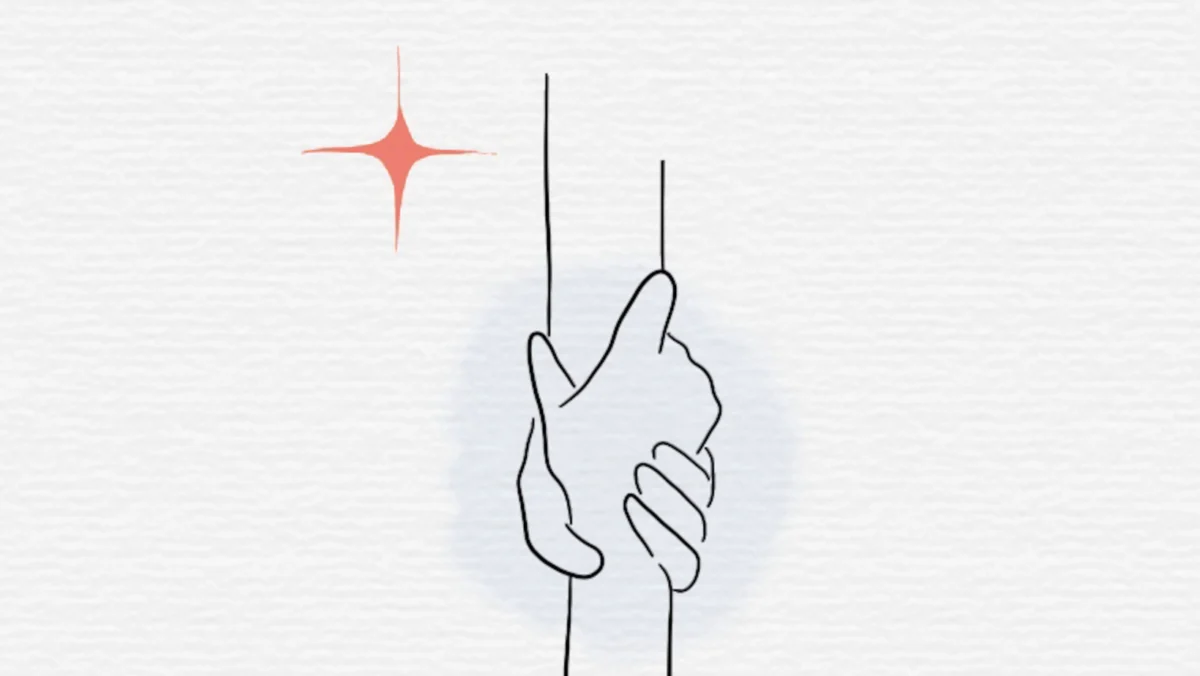
For the families at camp, the lesson is clear: while chronic pain may be a permanent resident in their lives, it does not have to be the defining factor of their community. By choosing to stand together, they have turned an isolating condition into a shared journey—one where the weight is lightened, simply because it is held by many hands instead of two.