







Executive Summary: A New Frontier in Public Health
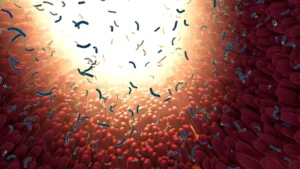
In a breakthrough that bridges the gap between ancient culinary tradition and modern environmental science, researchers at the World Institute of Kimchi (WiKim) have uncovered a potential biological weapon against the silent, invisible threat of nanoplastics. The study, led by Drs. Se Hee Lee and Tae Woong Whon, reveals that a specific strain of lactic acid bacterium found in kimchi—Leuconostoc mesenteroides CBA3656—possesses a unique capacity to bind to and facilitate the excretion of polystyrene nanoplastics (PS-NPs) from the human digestive tract.
As nanoplastics increasingly permeate the global food chain and water supply, this discovery offers more than just a nutritional endorsement for the Korean staple; it provides a foundational scientific mechanism for potentially mitigating the systemic accumulation of micro-particulate pollutants in human organs.
The Invisible Crisis: Understanding the Nanoplastic Threat
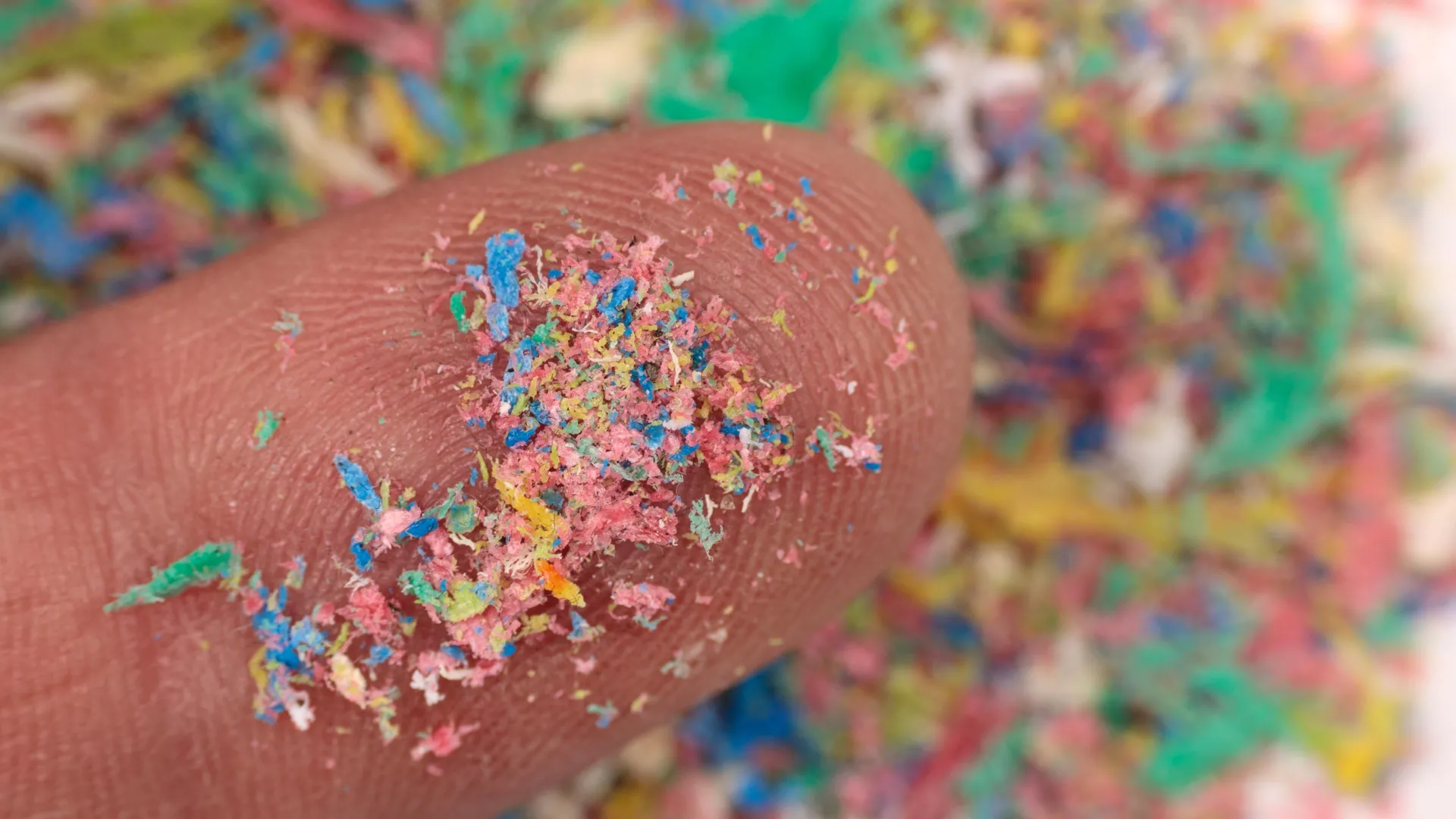
To understand the significance of the WiKim study, one must first grasp the pervasive nature of the problem. Nanoplastics are defined as plastic particles measuring less than 1 micrometer (µm)—a size so infinitesimal that it defies standard filtration and perception. These particles are the terminal degradation products of larger plastic waste, ranging from synthetic clothing fibers to discarded packaging.
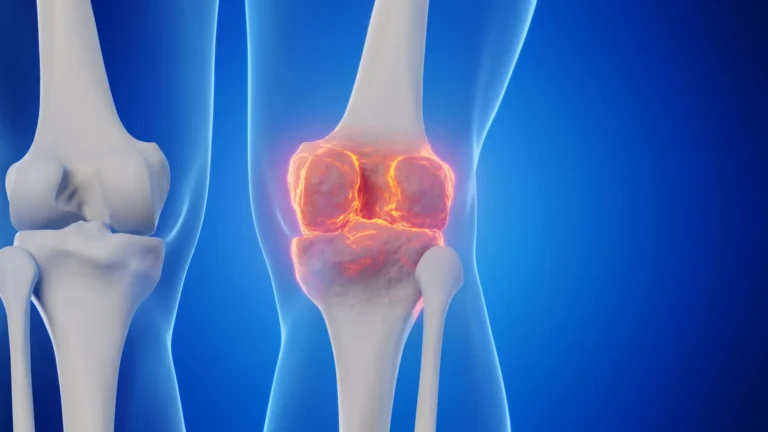
Because of their microscopic scale, nanoplastics possess unique physical and chemical properties that allow them to bypass the body’s natural biological barriers. Once ingested through contaminated food or drinking water, these particles do not merely pass through the digestive system. Research indicates that they can cross the intestinal barrier, entering the bloodstream and potentially translocating to vital organs, including the kidneys, liver, and the brain. The long-term health consequences of this bioaccumulation are still being mapped, but concerns regarding chronic inflammation, cellular damage, and hormonal disruption have placed nanoplastics at the forefront of modern toxicology.
Chronology of the Discovery
The research conducted by WiKim did not happen in a vacuum. It follows years of growing anxiety within the scientific community regarding the "plasticization" of the human body.
- Initial Hypotheses (Early 2020s): Researchers began investigating whether probiotics—beneficial bacteria known for gut health—could interact with environmental toxins. The focus shifted to fermented foods, which are inherently rich in microbial diversity.
- Strain Isolation: The team at WiKim focused their attention on Leuconostoc mesenteroides CBA3656, a strain native to the fermentation process of kimchi.
- In Vitro Benchmarking: The team compared the adsorption efficiency of CBA3656 against a reference strain, Latilactobacillus sakei CBA3608, under standard laboratory conditions.
- Simulated Intestinal Stress Tests: Recognizing that the human gut is a hostile environment characterized by variable pH levels and digestive enzymes, researchers subjected both strains to simulated intestinal conditions.
- In Vivo Validation: The final stage of the study involved germ-free mouse models, which provided a clean baseline to observe how the bacteria performed in a living organism compared to a control group.
Supporting Data: Why CBA3656 Stands Out
The most compelling evidence from the study lies in the contrast between the reference strain and the kimchi-derived CBA3656 when subjected to the rigors of the human digestive system.
The Adsorption Efficiency Gap
In a neutral, controlled laboratory environment, the reference strain L. sakei CBA3608 performed admirably, capturing 85% of the polystyrene nanoplastics. The kimchi-derived L. mesenteroides CBA3656 performed similarly at 87%. However, these numbers represent a "best-case scenario" that rarely exists in a living body.
When researchers shifted the testing to simulate the human intestinal environment—mimicking the pH fluctuations and digestive bile—the performance of the reference strain plummeted to a mere 3%. In sharp contrast, the kimchi-derived strain maintained a robust 57% adsorption rate. This stability suggests that CBA3656 has a structural or chemical affinity for nanoplastics that is resilient against the digestive process, allowing it to remain functional as it traverses the gut.
Evidence from the Mouse Model
The animal experiments provided the "real-world" proof of concept. In the study, germ-free mice were administered the strain CBA3656, while a control group received none. Analysis of fecal matter showed a twofold increase in the concentration of nanoplastics in the mice that had been treated with the probiotic. This result serves as a direct indicator of efficacy: the bacteria were not simply "trapping" the plastics in the gut; they were actively facilitating their transit through the digestive tract, effectively "shuttling" the pollutants out of the body before they could be absorbed by the intestinal lining.
Official Responses and Perspectives
The World Institute of Kimchi, operating under the Ministry of Science and ICT, has framed this research as a pivotal contribution to public health.
Dr. Hae Choon Chang, President of WiKim, emphasized that the institute’s mission extends beyond culinary preservation into the realm of biotechnology. "We are identifying the hidden biological values of traditional foods," he noted.
Dr. Se Hee Lee, the study’s lead researcher, highlighted the shift in perspective required to address environmental pollutants. "Plastic pollution is increasingly recognized not only as an environmental issue but also as a public health concern," Dr. Lee stated. "Our findings suggest that microorganisms derived from traditional fermented foods could represent a new biological approach to address this emerging challenge. We will continue to expand the scientific value of kimchi microbial resources to contribute to public health and environmental solutions."
Implications: A New Era for Probiotic Research
The discovery has profound implications for both the food industry and environmental medicine.
1. Functional Foods as Environmental Defense
Traditionally, probiotics have been marketed for gut health, immune support, and digestion. The WiKim study introduces the concept of "detoxifying probiotics." If these findings can be replicated in human clinical trials, we may see a new generation of functional foods specifically formulated to mitigate the risks of environmental pollutants.
2. The Resilience of Fermented Microbes
The study highlights why fermented foods like kimchi, sauerkraut, and kefir have been staples of human diet for millennia. These foods are essentially bio-reactors of highly resilient bacteria. The fact that L. mesenteroides CBA3656 can survive the harsh environment of the gut is a testament to the evolutionary pressure these microbes have faced, making them ideal candidates for medical and environmental applications.
3. A Call for Further Clinical Investigation
While the results in germ-free mice are highly promising, the scientific community remains cautious. Human physiology is far more complex than that of a mouse, involving a diverse microbiome that may compete with or assist the introduced strain. The next phase of research will likely involve human clinical trials to determine the optimal dosage, the long-term safety of consistent probiotic intake, and whether this mechanism is effective against different types of plastic polymers beyond polystyrene.
Conclusion: Bridging the Past and the Future
The research by the World Institute of Kimchi represents a remarkable synthesis of traditional wisdom and cutting-edge science. By looking into the microscopic world of fermentation, researchers have found a potential ally in the fight against one of the most pervasive modern pollutants.
As humanity continues to grapple with the legacy of plastic production, the solution may not always lie in expensive, synthetic filtration systems or complex chemical interventions. Sometimes, the answer may be found in our own pantries. The humble kimchi bacterium, once valued only for its flavor and digestive benefits, is now being recognized as a sophisticated biological tool—a small, but significant, step toward securing a healthier future in an increasingly plastic-laden world.
The ongoing commitment of WiKim to exploring the microbial resources of kimchi ensures that this is only the beginning. As the team expands its research, the potential for using naturally occurring probiotics to combat environmental toxins stands as a beacon of hope for public health initiatives globally. The "kimchi defense" may well become a standard recommendation in the evolving landscape of environmental health and preventative medicine.