





By [Your Name/Journalistic Staff]
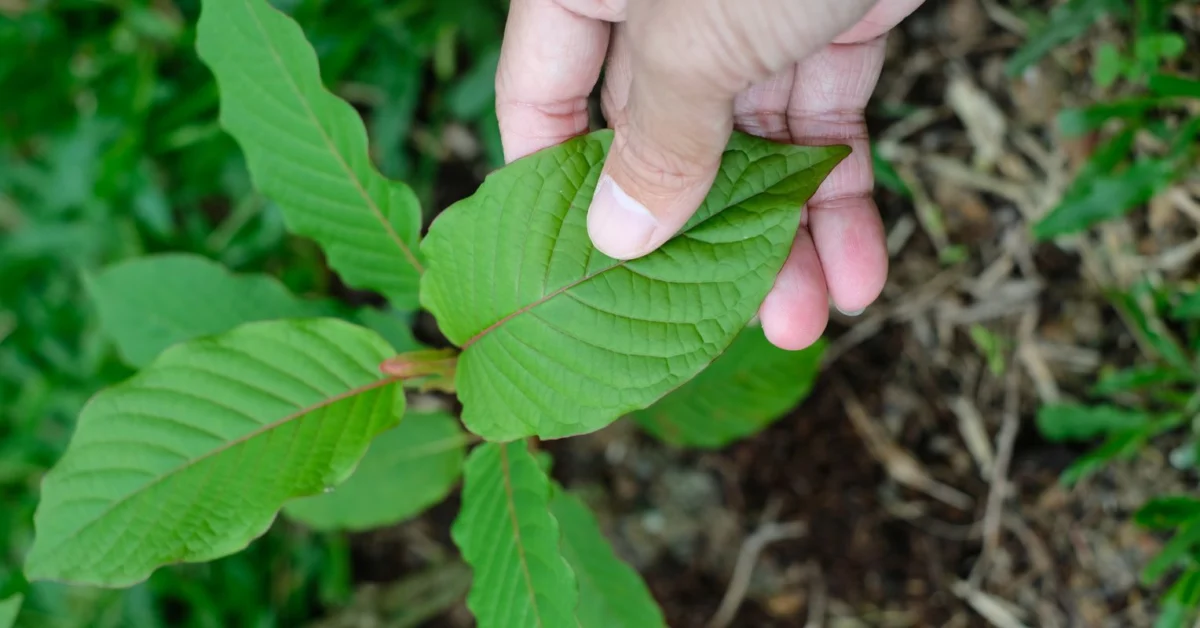
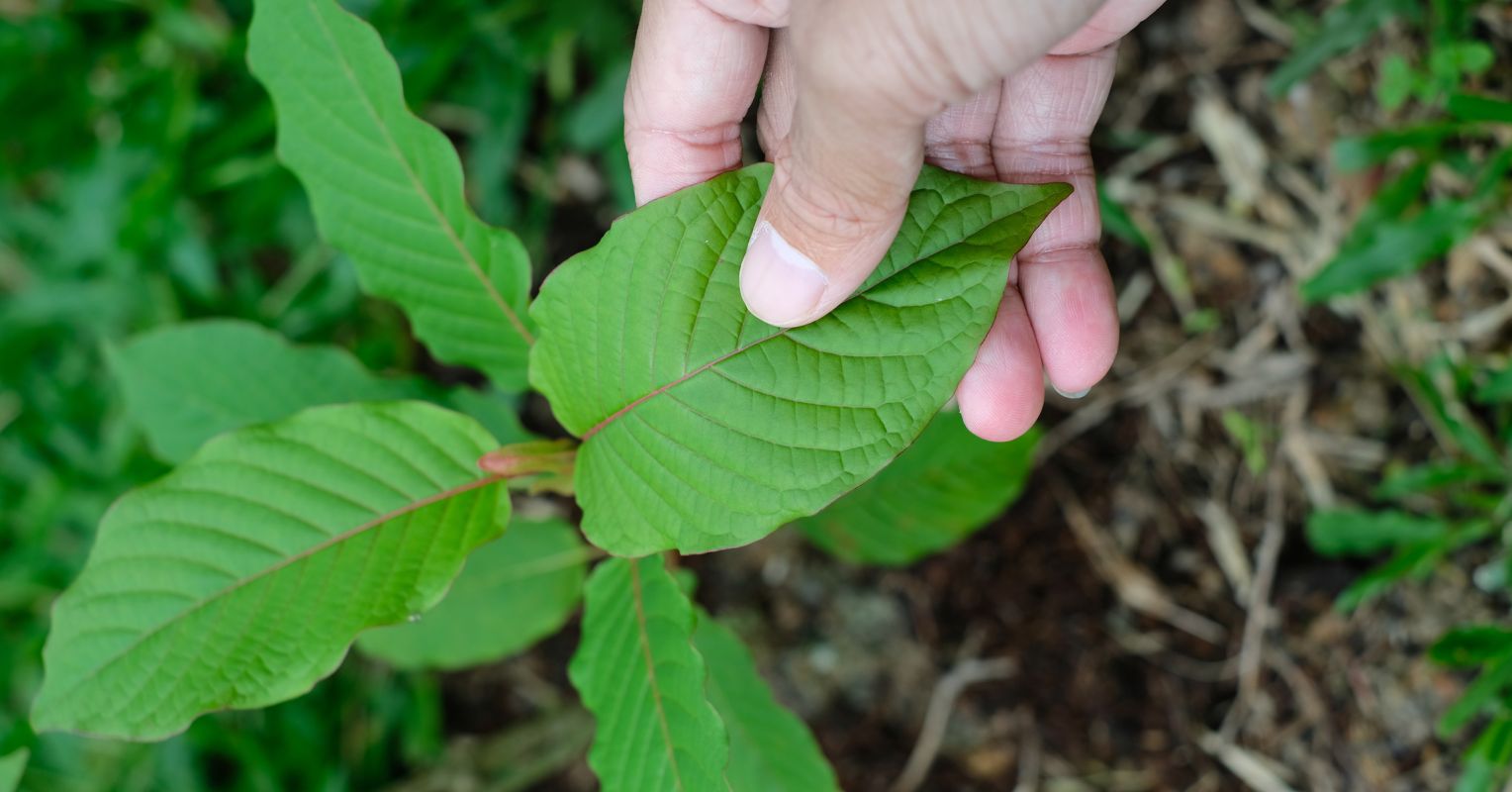
In recent years, the landscape of alternative wellness has been transformed by the quiet, pervasive emergence of Mitragyna speciosa—more commonly known as kratom. From the shelves of suburban gas stations to the sleek displays of boutique health shops, this Southeast Asian evergreen tree has moved from the fringes of herbal medicine into the center of a heated national debate. While proponents champion it as a miraculous, natural solution for everything from chronic pain to opioid withdrawal, clinicians and federal regulators are sounding a stark alarm regarding its safety, lack of oversight, and the potential for severe dependency.
As Americans increasingly turn to unregulated supplements to manage their mental and physical well-being, kratom stands at the precipice of a regulatory reckoning. Understanding the substance requires peeling back layers of anecdotal success stories to reveal the clinical, legal, and behavioral realities that remain largely obscured from the average consumer.
The Origins and Evolution of Kratom
Native to the tropical climates of Thailand, Malaysia, and Indonesia, kratom has been utilized for centuries as a traditional stimulant by laborers. Historically, workers would chew the leaves to stave off fatigue, enhance productivity, and manage the physical aches associated with grueling manual labor. In its indigenous context, the use of the plant was generally integrated into daily life, often brewed as a tea.
However, the "kratom" appearing on American shelves today is a different beast. It is frequently sold as concentrated powder, liquid extracts, or enhanced capsules, often with a potency that far exceeds traditional consumption methods. Over the last two decades, the substance has undergone a massive marketing pivot in the West, moving away from "labor stimulant" to "panacea for the modern age." It is now aggressively marketed as a natural remedy for anxiety, depression, PTSD, and the debilitating symptoms of opioid withdrawal.
A Chronology of the Regulatory Landscape
The rise of kratom in the United States has been marked by a lack of cohesive federal oversight, leading to a patchwork of state-level regulations.
- The Early 2000s: Kratom began appearing in U.S. head shops and specialized retailers, initially flying under the radar of federal agencies.
- 2016: The Drug Enforcement Administration (DEA) announced its intent to place kratom into Schedule I of the Controlled Substances Act, citing an "imminent hazard to public safety." This sparked an unprecedented public outcry and letter-writing campaign, forcing the DEA to withdraw the proposal for further study.
- 2018–2021: A surge in reports of adverse events, including hospitalizations and fatalities involving kratom, prompted the FDA to issue multiple warnings, categorically stating that there is no evidence that kratom is safe or effective for any medical use.
- 2022: The FDA issued a formal advisory warning consumers to avoid the use of kratom entirely, highlighting the risks of addiction and abuse.
- 2023: On June 2, 2023, Florida enacted the "Kratom Consumer Protection Act." This legislation marked a significant shift toward "regulation via restriction," banning sales to individuals under 21 and setting a legal definition for the substance to prevent adulteration. Similar bills have been proposed or passed in various forms across several states, highlighting a transition from total prohibition to state-regulated harm reduction.
Supporting Data: The "Lifesaving" vs. "Dangerous" Divide
The discordance between consumer experience and clinical observation is profound. Surveys of kratom users, such as those published in the Frontiers in Pharmacology journal, often show that over 90 percent of respondents report "high efficacy" in managing pain or psychiatric symptoms. For those struggling with opioid use disorder (OUD), the appeal is clear: kratom acts on mu-opioid receptors, potentially mitigating the "dope sickness" associated with stopping heroin or prescription opioids.
However, clinical data tells a more sobering story. Because the product is not regulated by the FDA, there is no standardization for dosage, purity, or contamination. Testing has revealed that many products sold as "pure" are tainted with heavy metals, salmonella, or even synthetic opioids.
From a clinical perspective, the reliance on kratom to manage opioid withdrawal is often described by addiction specialists as "trading one dependency for another." While a user might successfully transition away from illicit opioids, they often find themselves trapped in a cycle of escalating kratom intake to achieve the same effect, eventually leading to a full-blown substance use disorder (SUD).
The Clinical Reality: Negative Side Effects and Behavioral Impact
Jana Wu, LCSW, LADC, notes that the clinical experience of treating kratom dependence is becoming increasingly common in professional settings. While some users maintain a functional status, many others present with a clinical profile similar to those struggling with traditional opioid addiction.
Physical Consequences
At therapeutic or low doses, users report mild stimulation or sedation. However, as tolerance builds, the physical side effects become more pronounced:
- Cardiovascular strain: Elevated heart rate (tachycardia) and hypertension are common, often leading to heart palpitations.
- Neurological impacts: High doses have been linked to tremors, seizures, and in severe cases, psychosis.
- Gastrointestinal distress: Nausea, constipation, and loss of appetite are frequently reported.
The Behavioral "Trap"
The most concerning aspect of kratom use, according to clinicians, is the erosion of a user’s executive function. Patients often report that the substance began as a helpful tool for productivity or anxiety, only to morph into a requirement for daily functioning.
Clinicians have observed clients who, in their pursuit of the substance, have engaged in behaviors once foreign to them: draining savings accounts, neglecting job responsibilities, and withdrawing from social circles. This suggests that kratom’s impact on the brain’s reward system is potent, and the resulting withdrawal—characterized by severe insomnia, muscle aches, and intense irritability—can be as debilitating as traditional opioid withdrawal.
Official Responses and Public Health Implications
The federal government maintains a firm stance: kratom is an unapproved, dangerous substance. The FDA’s position is that the potential for abuse, combined with the lack of safety data, renders it a public health risk.
However, the legislative trend suggests a move toward managed availability. The "Kratom Consumer Protection Acts" being passed in states like Florida and Utah represent a compromise: keep the substance legal for adults, but enforce age restrictions and quality control standards. Critics argue that this legitimizes a substance that hasn’t been proven safe, while proponents argue it prevents the sale of tainted products and keeps the market out of the hands of illicit black-market dealers.
Navigating the Path to Recovery
For those who have found themselves caught in a cycle of kratom dependence, recovery is possible, but it requires a structured approach.
1. Medical Detox
Because kratom withdrawal, while rarely life-threatening, can cause severe physical discomfort, medical detox is the gold standard. Clinicians can provide medications to manage symptoms like nausea, chills, and muscle aches, significantly increasing the likelihood of a successful transition to sobriety.
2. Psychotherapeutic Intervention
Treating the addiction involves addressing the "why." If an individual was using kratom to manage chronic pain, a transition to evidence-based pain management (such as physical therapy or non-narcotic interventions) is required. If used for mental health, therapy—including Cognitive Behavioral Therapy (CBT) and Dialectical Behavior Therapy (DBT)—is essential to teach the patient how to regulate emotions without chemical assistance.
3. Holistic Wellness and Support
As seen at organizations like Mountainside, integrating mindfulness and meditation helps patients reconnect with their bodies and minds without the crutch of a substance. Support groups, where individuals share their experiences with kratom dependence, are becoming increasingly vital. These groups dismantle the stigma that "natural" products cannot be addictive, providing a community of accountability.
Conclusion: The Need for Informed Consent
The kratom debate is a microcosm of the larger struggle in American healthcare: the tension between the desire for natural, accessible wellness and the necessity of rigorous, science-based safety standards.
If kratom is to remain on the market, it must be subject to the same scrutiny as any other pharmaceutical or supplement. Until that happens, consumers must exercise extreme caution. The "natural" label does not equate to "harmless." As research continues to evolve, the primary goal for healthcare providers and policymakers must be ensuring that consumers are armed with the truth, rather than anecdotal marketing, allowing them to make decisions that prioritize their long-term health over short-term relief.
If you or a loved one are struggling with kratom use, reaching out to a licensed professional is the first step toward reclaiming agency over your health. The journey to recovery is not just about stopping a substance; it is about building a life that no longer requires a chemical filter to endure.