










By Editorial Staff (Based on insights by Jana Wu, LCSW, LADC)
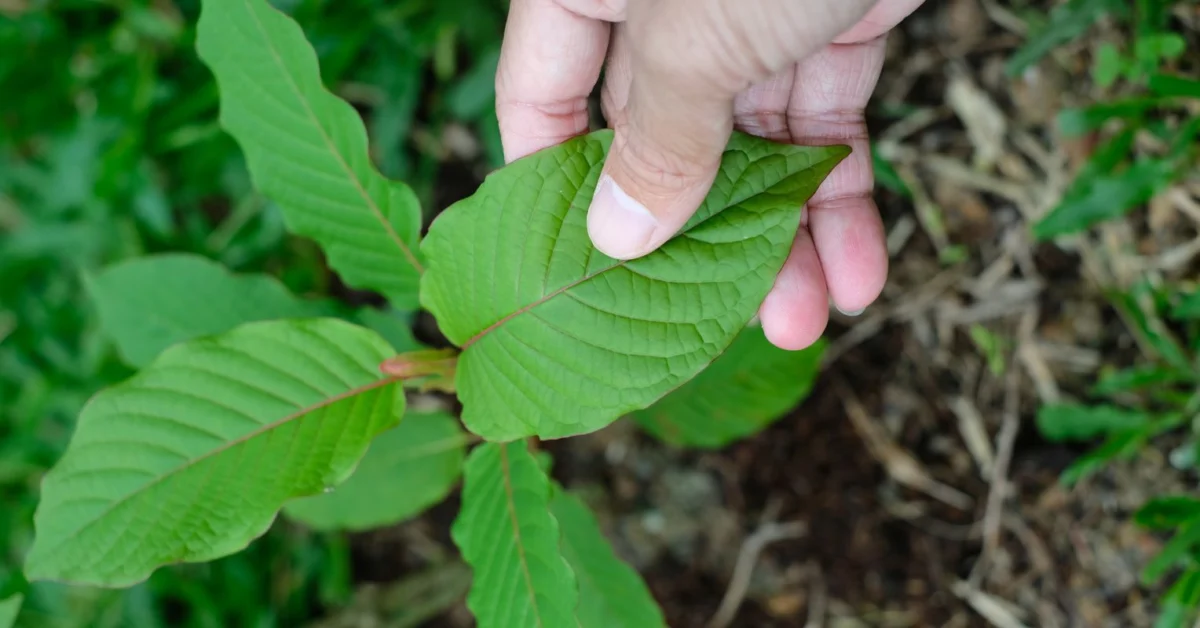
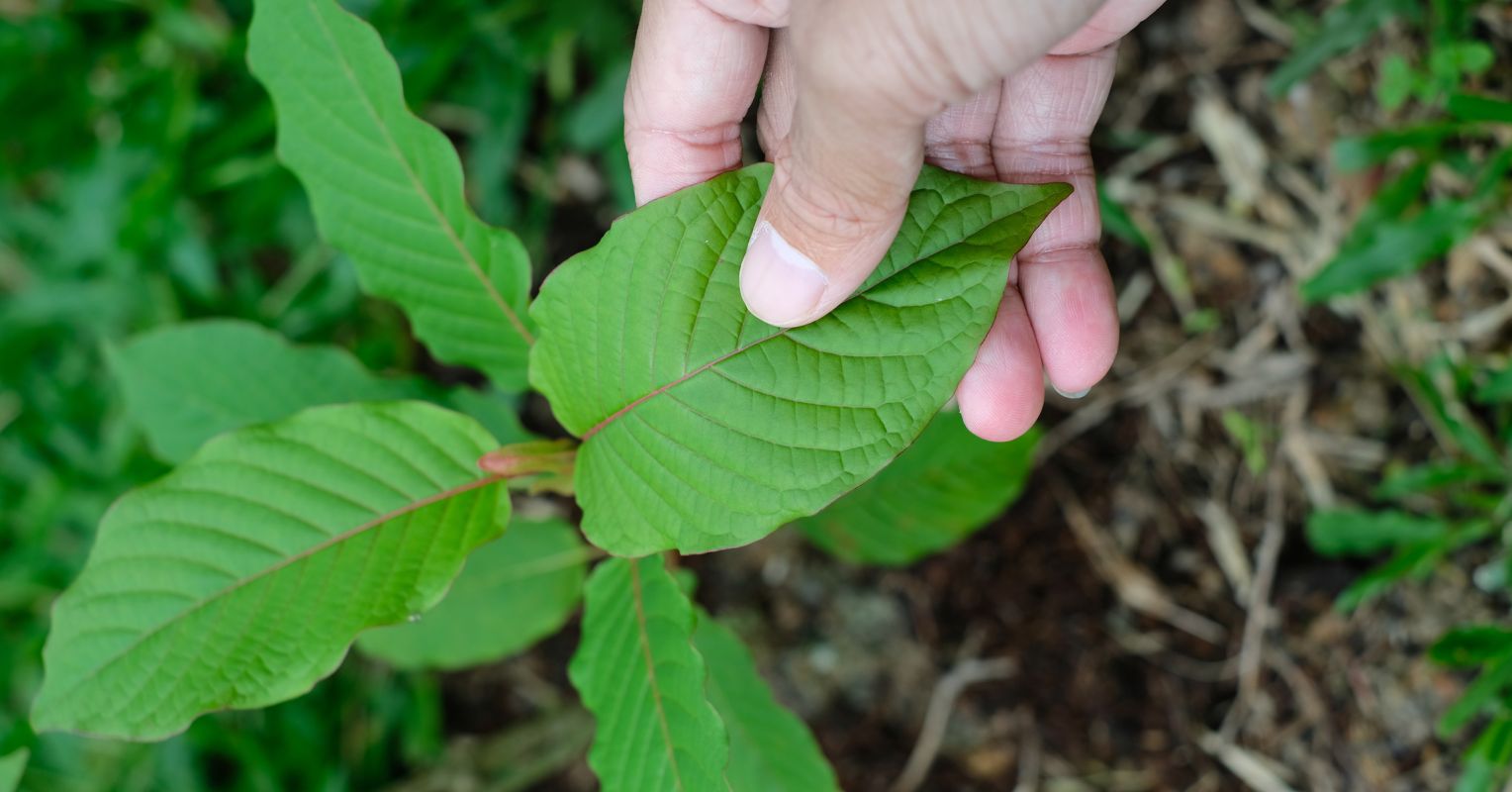
In the quiet aisles of local health food stores, the neon-lit shelves of vape shops, and even behind the counters of unassuming gas stations, a new staple has emerged in the American retail landscape: kratom. For centuries, this tropical tree native to Southeast Asia (Mitragyna speciosa) has been harvested for its leaves, traditionally chewed by laborers to bolster stamina and mitigate the physical toll of grueling manual work. Yet, as this ancient botanical finds its way into the modern American medicine cabinet, it has ignited a fierce debate between those who herald it as a “miracle supplement” and health officials who warn of an unregulated public health hazard.
The Main Facts: What is Kratom?
Kratom is a plant-based substance that acts on the brain’s opioid receptors. Because of its unique chemical profile—containing compounds like mitragynine and 7-hydroxy mitragynine—it can produce effects that range from stimulant-like energy at lower doses to sedative, pain-relieving effects at higher doses.
Proponents often market kratom as a holistic solution for a staggering array of conditions, including chronic pain, anxiety, depression, and post-traumatic stress disorder (PTSD). Perhaps most controversially, it is frequently promoted as a natural tool for those attempting to self-manage opioid withdrawal or curb alcohol cravings. However, the lack of standardized, FDA-approved manufacturing processes means that the "kratom" found in a gas station packet is often of unknown purity, potency, and composition.
A Chronology of the Kratom Surge
The rise of kratom in the United States is a relatively recent phenomenon, evolving rapidly over the last two decades.
- Early 2000s: Kratom begins to gain traction in Western markets as an alternative herbal supplement, often sold online as an "ethnobotanical."
- 2016: The Drug Enforcement Administration (DEA) announces its intent to place kratom into Schedule I of the Controlled Substances Act, citing public health risks. Following intense public outcry and pressure from advocacy groups, the DEA withdraws the proposal, leaving the substance in a legal gray area.
- 2018–2021: The market for kratom explodes. Estimates suggest over two million Americans are now regular users, with hotspots of consumption identified in Florida and the Northeastern United States.
- April 2022: The FDA issues a formal warning to consumers, explicitly advising against the use of kratom due to the lack of evidence regarding its safety and effectiveness.
- June 2023: Florida signs the "Kratom Consumer Protection Act" into law, representing a shift toward state-level regulation rather than outright federal prohibition. The law mandates age restrictions, prohibiting sales to anyone under 21, and sets a legal precedent for defining kratom products within state statutes.
Supporting Data: The Case for and Against
The polarization surrounding kratom is driven by a profound lack of clinical data. On one side, anecdotal evidence is robust. A survey published in Frontiers in Pharmacology noted that over 90 percent of respondents found kratom “very effective” in treating their pain or medical conditions. For those suffering from chronic pain or the debilitating symptoms of opioid withdrawal, these results feel life-changing.
Conversely, clinical data paints a more cautionary picture. Because the FDA does not regulate kratom for dosage or purity, users are essentially participating in a mass-scale, unmonitored experiment. The risks are not merely theoretical. According to the Mayo Clinic and various toxicological reports, kratom use is linked to:
- Cardiovascular strain: Elevated heart rate, hypertension, and palpitations.
- Gastrointestinal distress: Nausea and constipation.
- Neurological impacts: Tremors, seizures, and in severe cases, psychosis.
- Psychological shifts: Increased irritability, withdrawal from social activities, and anhedonia (the inability to feel pleasure).
Official Responses and Regulatory Struggles
The FDA’s stance remains clear: they have not approved kratom for any medical use. The federal government’s inability to regulate the product has created a "wild west" scenario where individual states are forced to intervene.
The "Florida Kratom Consumer Protection Act" is a prime example of the legislative trend. By establishing a legal age of 21 and categorizing violations as second-degree misdemeanors, states are attempting to bring order to a chaotic market. However, critics argue that these laws create a false sense of security—suggesting that if a product is "regulated" by the state, it must be inherently safe. In reality, these laws generally focus on preventing sales to minors and ensuring product labeling, rather than guaranteeing the pharmaceutical-grade purity that would be required for a drug to be considered "safe" by medical standards.
Clinical Implications: The Hidden Cost of "Self-Medicating"
From a clinical perspective, the most alarming trend is the use of kratom to treat opioid use disorder (OUD). While individuals may initially find relief from withdrawal, the transition often leads to a new, secondary substance use disorder.
Jana Wu, LCSW, LADC, notes that in her professional experience, the pattern is frequently devastating. "I have worked with clients who turned to kratom to manage their opiate cravings, only to find their tolerance for kratom climbing to problematic levels," Wu explains. "We see patients who eventually prioritize their kratom use over their financial health, their career, and their family relationships. They end up in a cycle of dependence that mirrors the very addiction they were trying to escape."
The physical withdrawal from kratom—while generally not life-threatening in the same manner as alcohol or benzodiazepine withdrawal—is nonetheless severe. Patients frequently report intense muscle aches, insomnia, extreme irritability, and depressive episodes.
Moving Toward a Holistic Solution
For those currently struggling with kratom dependence, the path to recovery is multi-faceted.
1. Medical Detoxification
While the withdrawal symptoms are not typically fatal, they are deeply uncomfortable. Medical detox provides the supervision necessary to manage the acute physical symptoms, such as chills, nausea, and body aches, through evidence-based, medically monitored protocols.
2. Medication-Assisted Treatment (MAT)
For those using kratom to manage opioid-related symptoms, transitioning to FDA-approved medications like buprenorphine is a far safer alternative. Unlike the unregulated kratom market, these medications provide consistent, measurable doses that allow for clinical stabilization.
3. Therapeutic Intervention
Addiction is rarely just about the substance; it is often about the underlying pain. Individual, group, and family therapy are essential for identifying the triggers that led the individual to seek out kratom in the first place. Whether the root cause is trauma, chronic anxiety, or untreated depression, psychotherapy provides the tools necessary to develop healthier coping mechanisms.
4. Holistic Wellness
Recovery extends beyond the absence of a substance. Mindfulness, meditation, and self-compassion training can help individuals reconnect with their bodies and emotions without the need for chemical intervention. Many treatment centers, including Mountainside, are now actively developing specialized support groups to address the unique challenges of kratom, including the stigma of its use and the complexities of long-term recovery.
The Path Forward: Informed Consent and Research
The future of kratom in the American healthcare system remains uncertain. To move forward, we must adopt a progressive, multi-faceted approach. We cannot afford to ignore the millions of Americans seeking relief from chronic suffering, nor can we ignore the mounting evidence of harm caused by an unregulated, potent botanical.
The scientific community must prioritize rigorous, peer-reviewed research to determine safe dosages, potential drug interactions, and the long-term health consequences of kratom. Until such data is available, the burden falls on healthcare providers to maintain a stance of intellectual curiosity and caution. We must prioritize "informed consent," ensuring that any individual exploring kratom understands the full spectrum of risk—from the potential for dependence to the lack of product quality control.
The "kratom crisis" is, at its heart, a crisis of education. As we peel back the layers of this debate, the ultimate goal must be the protection of public health. For those struggling, professional help is not a sign of weakness; it is a vital step toward reclaiming a life that is no longer dictated by the search for the next dose. If you or a loved one is struggling with substance use, reaching out to a licensed professional is the most effective way to navigate the complexities of recovery and find a sustainable, healthy path forward.