By [Your Name/Journalistic Staff]
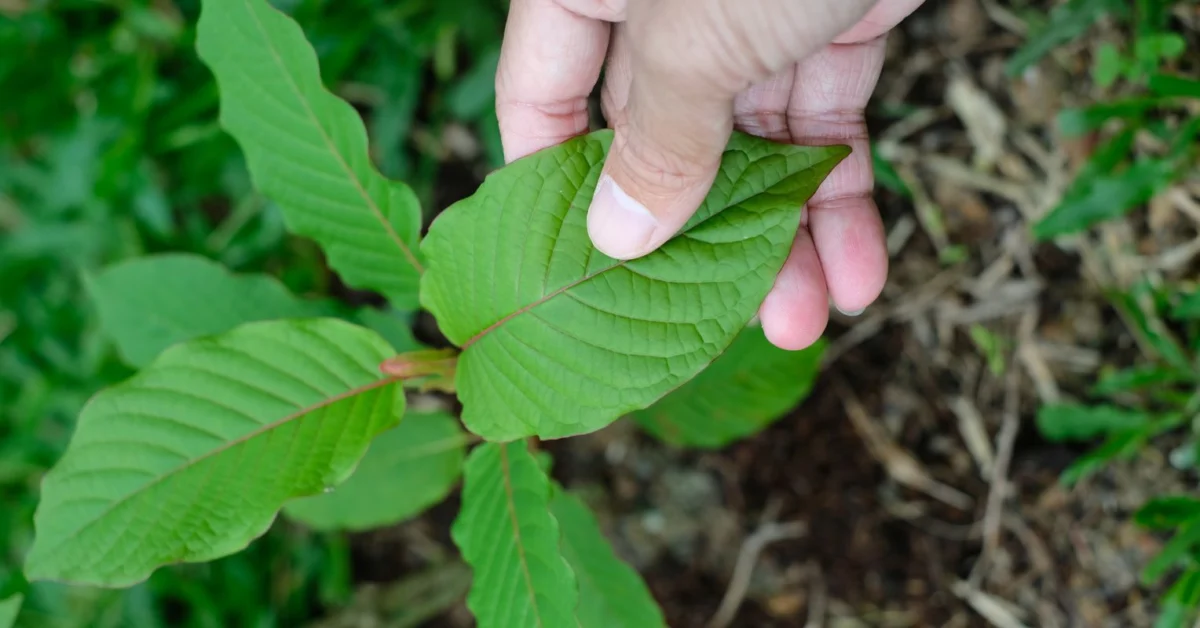
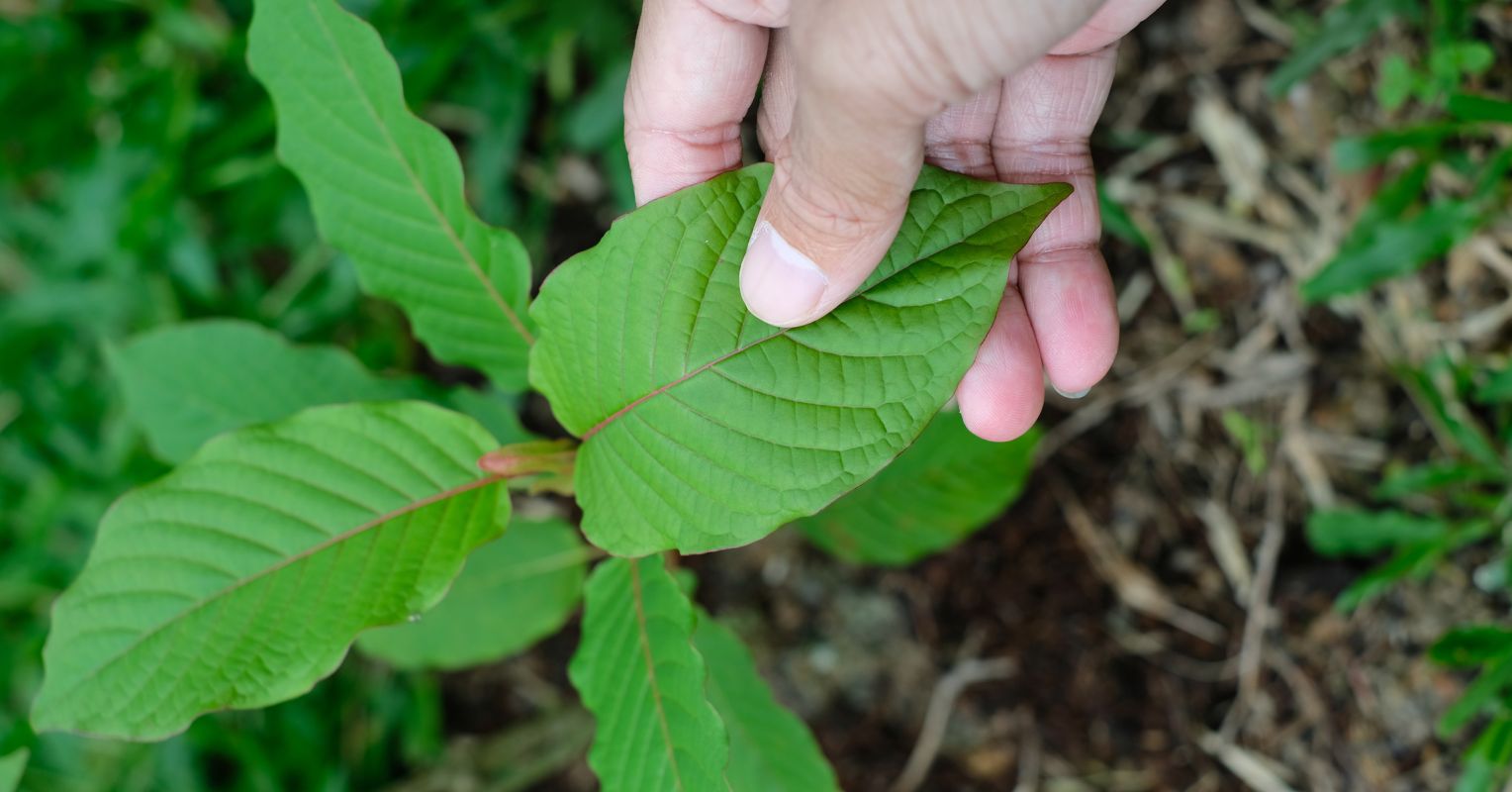
In recent years, a botanical substance once confined to the rural landscapes of Southeast Asia has made a striking, often visible, transition into the mainstream American marketplace. Whether you are browsing a local health food store, visiting a neighborhood vape shop, or stopping for gas, you are likely to encounter brightly colored packaging promising "energy," "focus," or "pain relief." The substance is kratom (Mitragyna speciosa), and it has ignited a fierce, ongoing debate between those who herald it as a miracle supplement and health professionals who warn of a burgeoning public health crisis.
While proponents view kratom as a plant-based solution to the limitations of modern medicine, clinicians and regulatory bodies express profound concerns regarding its safety, purity, and addictive potential. As the U.S. grapples with an ongoing opioid epidemic and a mental health crisis, understanding the nuanced reality of kratom—a substance that exists in a legal gray area—has never been more vital.
The Origins and Evolution of Kratom Use
Kratom is a tropical evergreen tree native to Thailand, Indonesia, Malaysia, and Papua New Guinea. For centuries, indigenous laborers in these regions chewed the leaves to ward off fatigue and endure the physical demands of grueling manual work. In its traditional context, kratom was used much like coffee—a mild stimulant to maintain productivity throughout the day.
However, the modern American iteration of kratom is vastly different from its traditional use. Today, the plant is processed into concentrated powders, capsules, and extracts, often marketed toward a Western audience seeking relief from chronic pain, anxiety, depression, and the symptoms of opioid withdrawal. This shift from moderate, localized use to a globalized, commercialized supplement industry is at the heart of the current controversy.
Chronology: From Niche Botanical to Regulatory Flashpoint
- The 2000s: Kratom begins to gain traction in the United States as an alternative herbal supplement, largely sold in head shops and through online retailers.
- 2016: The Drug Enforcement Administration (DEA) announces its intent to list kratom’s primary active compounds, mitragynine and 7-hydroxymitragynine, as Schedule I controlled substances. A massive public outcry and backlash from scientific researchers force the DEA to withdraw the proposal.
- 2018: The FDA begins issuing public health warnings, emphasizing that there is no evidence to support the claim that kratom is safe or effective for any medical condition.
- 2022: The FDA doubles down on its warnings, citing significant risks of abuse, addiction, and potential fatalities associated with the substance.
- June 2023: Florida signs the "Kratom Consumer Protection Act" into law, establishing age restrictions (21+) and regulatory definitions for kratom products, marking a trend of state-level intervention as federal policy remains stalled.
Supporting Data: The Case for Caution
The primary friction point for public health officials is the lack of oversight. Because the FDA does not regulate kratom as a drug, consumers are essentially engaging in a mass, uncontrolled experiment.
Recent surveys indicate that over two million Americans currently use kratom. Among those using the substance for chronic pain management, approximately 90 percent report that they find it "very effective." These testimonials are powerful; they speak to a patient population that feels abandoned by a healthcare system that has struggled to manage chronic pain effectively without relying on highly addictive opioids.
However, the clinical data presents a more sobering picture. The Mayo Clinic and other medical institutions have documented a range of adverse physical effects, including:
- Cardiovascular strain: Elevated heart rate, hypertension, and heart palpitations.
- Neurological complications: Persistent tremors, seizure activity, and, in severe cases, instances of psychosis.
- Gastrointestinal and systemic distress: Nausea, vomiting, weight loss, and severe constipation.
Furthermore, because there is no standardized dosing or mandatory purity testing, consumers are often unaware of what they are ingesting. Laboratory testing has periodically revealed that commercial kratom products can be contaminated with heavy metals or adulterated with other illicit substances, significantly increasing the risk of toxicity.
Official Responses and the Legislative Landscape
The FDA’s stance remains firm: "The FDA has not approved kratom for any medical use, and the agency strongly advises against the use of kratom." Their primary concern is that the pharmacology of kratom mimics opioids, yet it lacks the rigorous safety testing required for pharmaceutical products.
States are increasingly stepping into the regulatory vacuum. The Florida Kratom Consumer Protection Act serves as a model for this trend. By banning sales to those under 21 and implementing clear labeling requirements, states are attempting to bring the market out of the "Wild West" era. However, critics of such legislation argue that by creating a regulated market, the state is implicitly validating the substance, even if the long-term safety profile remains unproven.
The Psychological Toll: Addiction and Dependency
For healthcare providers like Jana Wu, LCSW, the reality of kratom is often found in the clinic, not the boardroom. Professionals working in addiction medicine report that the "lifesaving" narrative often masks the development of a severe substance use disorder.
"In my professional experience, I have worked with clients who have tried using kratom to reduce opiate cravings, only to find themselves trading one addiction for another," says Wu. "We see the same patterns: increased tolerance, the need for higher doses to achieve the same effect, and the total degradation of the individual’s daily life."
The behavioral changes associated with kratom misuse are profound. Patients have reported:
- Financial instability: Spending thousands of dollars on extracts and powders, leading to theft or the depletion of savings.
- Social withdrawal: A loss of interest in hobbies, work, and relationships, as the substance becomes the focal point of the user’s day.
- Withdrawal syndrome: Upon cessation, users face a grueling period of anxiety, muscle aches, insomnia, and deep depression, mirroring the experience of withdrawing from traditional opioids.
Implications for Future Treatment and Policy
The path forward requires a shift from binary thinking—viewing kratom as either a "poison" or a "cure"—to a model of informed, evidence-based care.
The Need for Rigorous Research
The most pressing requirement is comprehensive clinical research. We need to know how kratom interacts with other medications, what constitutes a safe dosage, and whether it possesses legitimate therapeutic value that could be extracted and refined under controlled conditions. Until then, the risk-to-benefit ratio remains skewed toward risk.
Integrated Care Models
For those already struggling with kratom dependency, the solution is not merely "quitting cold turkey." Medical detox is highly recommended to manage the acute symptoms of withdrawal. Beyond the physiological, psychological treatment is essential. Therapies such as Cognitive Behavioral Therapy (CBT) and Dialectical Behavior Therapy (DBT) can help individuals identify the underlying pain or trauma they were originally trying to self-medicate.
The Role of Holistic Wellness
The rise of kratom highlights a failure in our current healthcare system to provide adequate, non-addictive relief for those in pain or mental distress. Empowerment through mindfulness, meditation, and structured counseling must be prioritized. For those dealing with opioid use disorder, established treatments like buprenorphine remain the gold standard, backed by decades of research and FDA approval.
Conclusion: A Call for Intellectual Curiosity
The kratom debate is a microcosm of the larger struggle between traditional botanical knowledge and modern pharmacological safety standards. As consumers, it is our responsibility to look past marketing claims and consider the potential for long-term health consequences. As a society, it is our duty to demand clearer regulation, better research, and more accessible mental health support so that individuals no longer feel the need to resort to unregulated substances in their search for relief.
The "kratom phenomenon" serves as a stark reminder that when a substance fills a gap in the healthcare system, it will flourish regardless of the risks. Addressing the root causes of why people turn to kratom—be it chronic pain, unmanaged anxiety, or the lingering scars of addiction—is the only way to ensure that our pursuit of wellness does not inadvertently lead to further harm.
If you or someone you know is struggling with substance use, please reach out to a licensed healthcare professional or contact the SAMHSA National Helpline at 1-800-662-HELP (4357).