For many Americans, the mention of a "root beer stand" conjures images of chrome-laden classic cars, neon signage buzzing against a twilight sky, and the unmistakable, syrupy sweetness of a frothy float served in a heavy, ice-cold glass mug. Once the heartbeat of mid-century American socialization, these roadside icons served as more than just places to grab a burger; they were the town squares of the 1950s and 60s.
While the rise of the mega-chain and the drive-thru window revolutionized the speed of American dining, it also sidelined the intimate, communal experience of the root beer stand. Today, a handful of chains and independent outposts continue to preserve this slice of Americana, proving that for many, the allure of a hand-spun float is a timeless indulgence.
The Anatomy of a Classic Root Beer Stand
To understand the enduring appeal of these establishments, one must first define what makes a "root beer stand" in the truest sense. According to enthusiasts and historians alike, it is a specific architectural and culinary ecosystem.
As one Reddit connoisseur succinctly put it, the archetype requires a combination of walk-up or drive-in service—ideally with carhops—and a commitment to the craft of the root beer itself. Ideally, the root beer is brewed or mixed on-site, using proprietary recipes that elevate the drink from a standard fountain soda to a genuine culinary experience. When you combine this beverage focus with a menu of classic American staples like griddled burgers, hot dogs, and crispy fries, you have the quintessential roadside destination.

A Chronology of the Root Beer Revolution
The history of the root beer stand is deeply intertwined with the development of the American automobile and the post-WWII economic boom.
- 1919: The Birth of A&W. Roy Allen began selling his creamy, root-based concoction at a roadside stand in Lodi, California. This moment is widely regarded as the genesis of the modern American franchise system.
- 1924: The Stewart’s Legacy. Frank Stewart began refining his own root beer recipe in Mansfield, Ohio. By 1931, the operation had successfully franchised, establishing the "Stewart’s Drive-In" model that would influence roadside dining for decades.
- 1950s: The Golden Age. This decade marked the apex of the drive-in culture. With the expansion of the interstate highway system, families took to the roads in record numbers. Root beer stands became the designated pit stops for the suburban middle class.
- 1960s–1980s: The Consolidation. As fast-food giants like McDonald’s and Burger King optimized their supply chains for maximum efficiency, many smaller, independent stands struggled to compete. Chains like A&W and Sonic successfully pivoted by modernizing their service models while retaining their signature beverages.
- The 21st Century Revival: In the current era, there is a renewed appreciation for "authentic" and "nostalgic" dining. Social media has breathed new life into these historic brands, with a younger generation discovering the tactile pleasure of a frosty mug and the "slow" experience of a carhop service.
The Pillars of the Industry: Four Chains Worth the Drive
While many local, independent stands (such as the legendary Root Beer Stand in Sharonville, Ohio) carry the torch, four major chains remain the standard-bearers for the industry.
1. A&W Restaurants: The Gold Standard
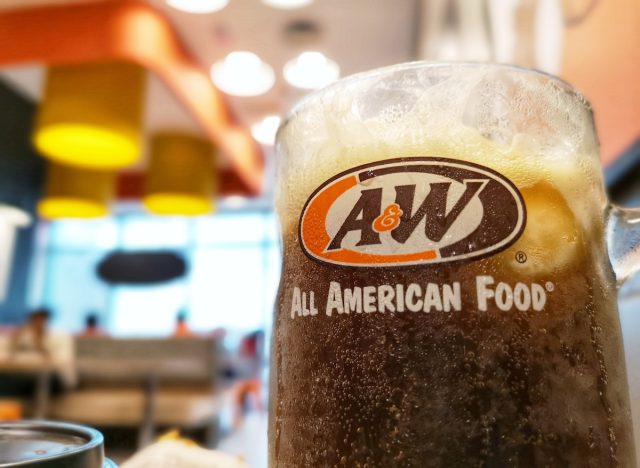
A&W remains the undisputed king of the category. Having essentially invented the concept of the branded root beer stand, the company maintains its legacy by focusing on the "Frosty Mug." Their process—using proprietary root beer syrup and cane sugar, served in a mug pulled directly from a sub-zero freezer—is a ritual that modern quick-service restaurants struggle to replicate. Fans often cite the consistency of the A&W float as the benchmark by which all others are measured.
2. Stewart’s Drive-In: The 1950s Time Capsule
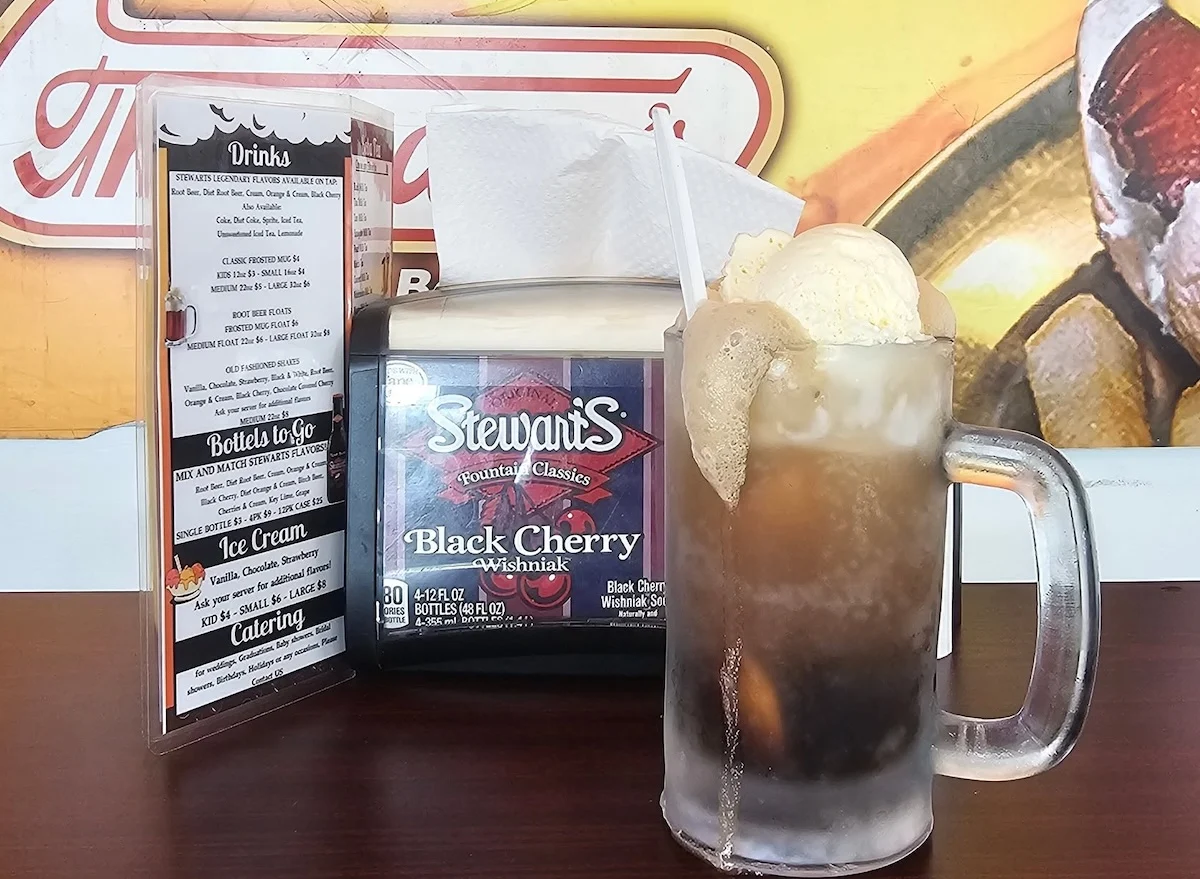
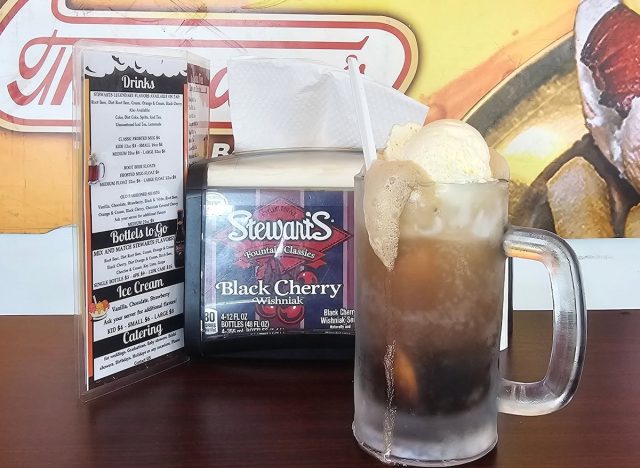
Stewart’s occupies a unique space in the American psyche, particularly in the Northeast and Midwest. By leaning into its 1950s aesthetic, the chain offers a sensory experience that feels curated and preserved. Beyond the beverages, Stewart’s has garnered a cult following for its comfort food menu, particularly its cheesesteaks and loaded cheese fries. For many, a trip to a Stewart’s is less about the speed of service and more about the preservation of a mid-century lifestyle.
3. Sonic Drive-In: The Modern Adaptation
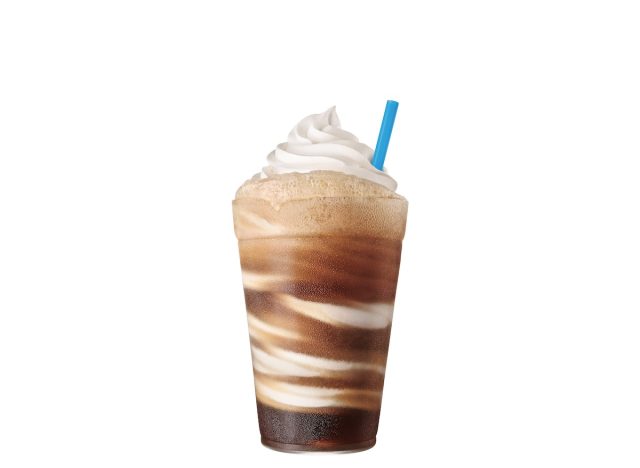
Sonic is the most commercially successful evolution of the root beer stand. By utilizing modern technology and a vast, sprawling menu, they have managed to keep the "carhop" tradition alive on a national scale. While they rely on Barq’s Root Beer for their floats, the execution—topped with whipped cream and often paired with their extensive selection of snacks—has made them a staple of the American suburban experience. They represent the bridge between the nostalgic roots of the industry and the convenience demands of the modern consumer.
4. Culver’s: The Custard Contender
Though Culver’s is technically a regional powerhouse specializing in butterburgers and frozen custard, it has inadvertently become one of the most important purveyors of the root beer float. Their use of "Fresh Frozen Custard"—which is significantly denser and richer than standard soft serve—transforms a basic float into a decadent dessert. Reddit threads are filled with testimonials from fans who believe the combination of their specific custard with high-quality root beer is superior to almost any other offering in the fast-food space.
Supporting Data: Why We Still Crave the Stand
The resilience of these brands is not merely based on sentimentality; it is based on a fundamental shift in consumer behavior. Data regarding "nostalgia marketing" suggests that as digital life becomes more abstract, consumers are increasingly seeking "analog" experiences.
A 2023 market analysis indicated that while fast-casual dining is growing, there is a distinct uptick in interest for "experience-based" fast food. Restaurants that offer a specific ritual—such as the "frosty mug" experience—see higher customer retention rates than those that rely solely on speed and price point. Furthermore, the "Instagrammability" of a classic drive-in setting provides free, organic marketing that resonates with younger demographics looking for a break from the sterile, fluorescent-lit environment of typical modern drive-thrus.
Official Responses and Industry Outlook
Executives within these companies recognize that they are not just selling soda; they are selling a memory.
In recent corporate communications, A&W leadership has emphasized their commitment to maintaining the "human element" of their service, specifically noting that the tactile experience of a server coming to a car window is a key competitive advantage in an era of automated kiosks. Similarly, Stewart’s has focused its branding efforts on the "heritage" aspect of its locations, often highlighting the long-standing tenure of their franchise owners.
Industry experts suggest that the future of the root beer stand lies in this "boutique" approach. As global chains become increasingly automated, the brands that focus on the specialized, artisan quality of their beverages and the "event" nature of their service are likely to see sustained growth.
Implications for the Future of Roadside Dining
The survival of the root beer stand is a testament to the fact that convenience is not the only factor driving the American dining experience. There is a profound, underlying desire for connection—to the past, to the local community, and to a simpler way of eating.
As we look toward the future, the root beer stand serves as a reminder that the best innovations are often those that refuse to completely discard the traditions that built them. Whether it is the rich, heavy custard of a Culver’s float, or the icy, metallic bite of a classic A&W mug, these establishments offer a momentary escape. They invite us to pull over, roll down the window, and take a sip of a history that is, quite literally, still bubbling.