In a landmark study published in the journal Cell, researchers from the Karolinska Institutet have unveiled a biological mechanism that bridges the gap between nutrition and systemic health. The study identifies a previously unknown pathway through which the gut microbiota acts as a metabolic alchemist, converting common dietary components—nitrate and non-haem iron—into potent, health-promoting molecules known as dinitrosyl iron complexes (DNICs).
This discovery offers a compelling biological explanation for the long-observed, yet poorly understood, link between plant-rich diets and a reduced risk of cardiovascular and metabolic diseases. By demonstrating that gut bacteria are essential for the synthesis of these protective compounds, the research shifts our understanding of the microbiome from a mere digestive aid to an active participant in cardiovascular regulation.
The Chemical Synthesis: Turning Vegetables into Protection
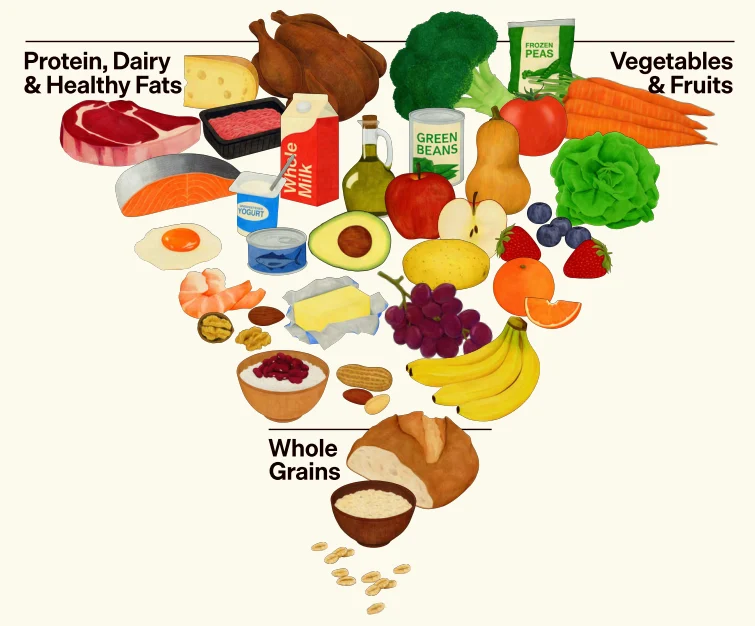
At the heart of the research is a sophisticated chemical transformation occurring within the human gut. Nitrate, a compound abundant in leafy greens like spinach, rocket, and lettuce, as well as beetroot, is typically associated with the production of nitric oxide—a signaling molecule that relaxes blood vessels. Simultaneously, non-haem iron, which is found in high concentrations in beans and whole grains, is a vital mineral for cellular function.
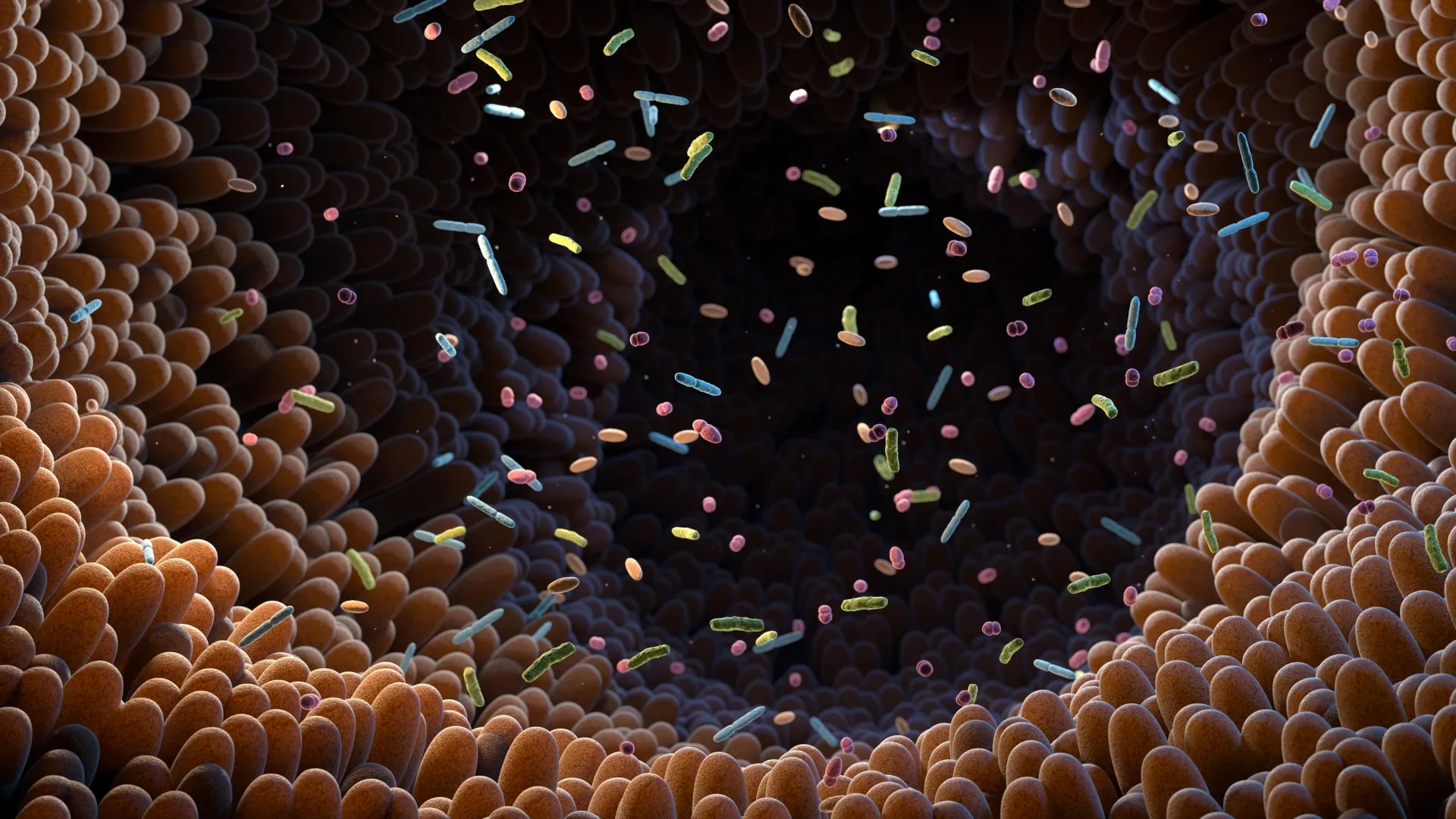
The Karolinska Institutet team discovered that specific populations of gut bacteria possess the metabolic machinery required to combine these two disparate dietary inputs. The result of this microbial interaction is the creation of DNICs. Once synthesized, these stable, biologically active molecules do not simply remain in the gut; they are absorbed into the bloodstream and distributed to vital organs, with the liver and kidneys serving as primary repositories.
Chronology of the Discovery: From Bench to Biological Breakthrough
The path to this discovery was multifaceted, spanning several years of rigorous experimental design. The researchers utilized a combination of mouse models, human samples, and advanced analytical chemistry to map the metabolic pathway.
Phase 1: Identification and Localization
The initial phase of the study focused on whether these complexes were present in mammalian tissue. Using mass spectrometry and other high-precision analytical techniques, the team confirmed the presence of DNICs in various tissue types, establishing them as natural, albeit elusive, components of mammalian physiology.
Phase 2: The Microbiome Requirement
The critical breakthrough occurred when the researchers compared conventional mice with germ-free mice (animals raised in a sterile environment devoid of gut microbes). The absence of DNICs in the germ-free cohort provided irrefutable evidence that these molecules are not produced by the mammalian body alone, but are contingent upon the metabolic activities of the gut microbiome.
Phase 3: Therapeutic Intervention
With the mechanism confirmed, the team moved to test the functional impact of increasing DNIC levels. By supplementing the diet of experimental models with nitrate and iron, or by directly administering synthetic DNICs, the researchers observed a dramatic shift in health markers. This phase of the study successfully linked the microbial production of DNICs to physiological improvements in blood pressure, vascular flexibility, and metabolic efficiency.
Supporting Data: Health Markers and Physiological Impact
The findings suggest that DNICs act as a systemic "buffer" against the physiological wear and tear associated with metabolic syndrome. The data collected from the animal models showed a clear, statistically significant correlation between elevated DNIC levels and three primary health metrics:
- Vascular Hemodynamics: Subjects exhibited lower systemic blood pressure and improved endothelial function, suggesting that DNICs may enhance the body’s ability to regulate vascular tone.
- Glycemic Control: The presence of these complexes was linked to better blood sugar management, a critical factor in preventing Type 2 diabetes.
- Hepatic Health: One of the most striking findings was the reduction in fat accumulation in the liver, suggesting that the microbial transformation of nutrients might play a role in preventing non-alcoholic fatty liver disease (NAFLD).
These improvements suggest that the "vegetable effect"—the well-documented benefit of a plant-based diet—is partially mediated by the specific chemical output of the gut flora.
Official Perspectives from Karolinska Institutet
The research team, led by a group of distinguished physiologists, emphasizes the importance of viewing diet through the lens of microbial metabolism.
"Our results show that gut bacteria can convert components in food into biologically active molecules that influence important bodily functions," says Andrei L. Kleschyov, Senior Researcher at the Department of Physiology and Pharmacology at Karolinska Institutet and the study’s first and co-corresponding author.
Professor Mattias Carlström, who spearheaded the cardiorenal physiology component of the research alongside Professors Jon Lundberg, contextualizes the findings within a broader clinical framework: "Among other things, we observed lower blood pressure and improved vascular function, better blood sugar control and reduced fat accumulation in the liver. The results help to explain why a diet rich in vegetables, which contain both nitrate and iron, is linked to a lower risk of several diseases."
The researchers remain cautious, however, noting that while the experimental data is robust, the leap to human clinical application requires further investigation. The translation of these findings into human medicine depends on understanding the variability of the human gut microbiome and how individual microbial signatures might influence the efficiency of DNIC production.
Implications: A New Frontier in Preventive Medicine
The discovery of DNICs as a microbial-derived health booster opens several transformative avenues for future research and public health strategy.
Personalized Nutrition and the Microbiome
If the efficacy of a diet depends on the "microbial alchemy" occurring in the gut, this could explain why different individuals respond differently to the same nutritional interventions. Future diagnostics could include testing for the specific bacteria responsible for DNIC synthesis, allowing for personalized dietary recommendations that go beyond simple calorie or macronutrient counting.
Therapeutic Potential of DNICs
The ability to synthetically produce DNICs presents an opportunity for developing new therapeutics. If these molecules can be administered safely to patients with hypertension or metabolic dysfunction, they could provide a new class of treatment that mimics the natural, beneficial processes of a healthy digestive tract.
The Role of Probiotics and Prebiotics
Could we eventually see the development of "next-generation probiotics" designed specifically to enhance the conversion of nitrate and iron? By enriching the gut with the specific bacterial strains identified in this study, it may be possible to augment the body’s internal production of these protective complexes, potentially reversing or preventing the early stages of metabolic disease.
Challenges and Future Directions
Despite the optimism surrounding these findings, the research team is clear about the hurdles ahead. The immediate goal is to develop standardized, reliable methods for measuring DNIC levels in humans. Current analytical methods are sophisticated but difficult to deploy in a clinical setting.
Moreover, the team aims to map the entire migratory pathway of DNICs. Understanding exactly how these molecules transit from the gut, through the bloodstream, and into specific cells in the liver and kidneys is essential for determining therapeutic dosages and timing.
Global Collaboration
The study represents a major international effort, involving collaboration between the Karolinska Institutet, the University Medical Centre Hamburg-Eppendorf, and the Johannes Gutenberg University Medical Centre Mainz. This cross-border cooperation is indicative of the complexity of the research, which bridges microbiology, cardiovascular science, and nutritional biochemistry.
Funding for this endeavor was provided by a robust coalition of organizations, including the Swedish Research Council, the Swedish Heart-Lung Foundation, the Novo Nordisk Foundation, the European Research Council (ERC), the Knut and Alice Wallenberg Foundation, and Diabetes Wellness Sweden. The researchers have confirmed that they hold no conflicts of interest, underscoring the objective nature of the study.
Conclusion: The Salad Bowl as a Bio-Reactor
The Karolinska Institutet study serves as a poignant reminder of the intimate relationship between the human host and the microbial colonies we harbor. We are not merely consuming nutrients for our own cells; we are fueling a complex, symbiotic ecosystem that processes our food into vital chemical messengers.
As the scientific community moves forward, the focus will shift from the simple act of eating to the complex act of microbial processing. By understanding how our gut bacteria interact with nitrate and iron, we are beginning to decode a fundamental language of health—one that may ultimately provide the key to preventing the silent, systemic diseases that define the modern era. While the journey from mice to medicine is long, this discovery represents a monumental step toward a more granular, precise, and integrated understanding of human physiology.