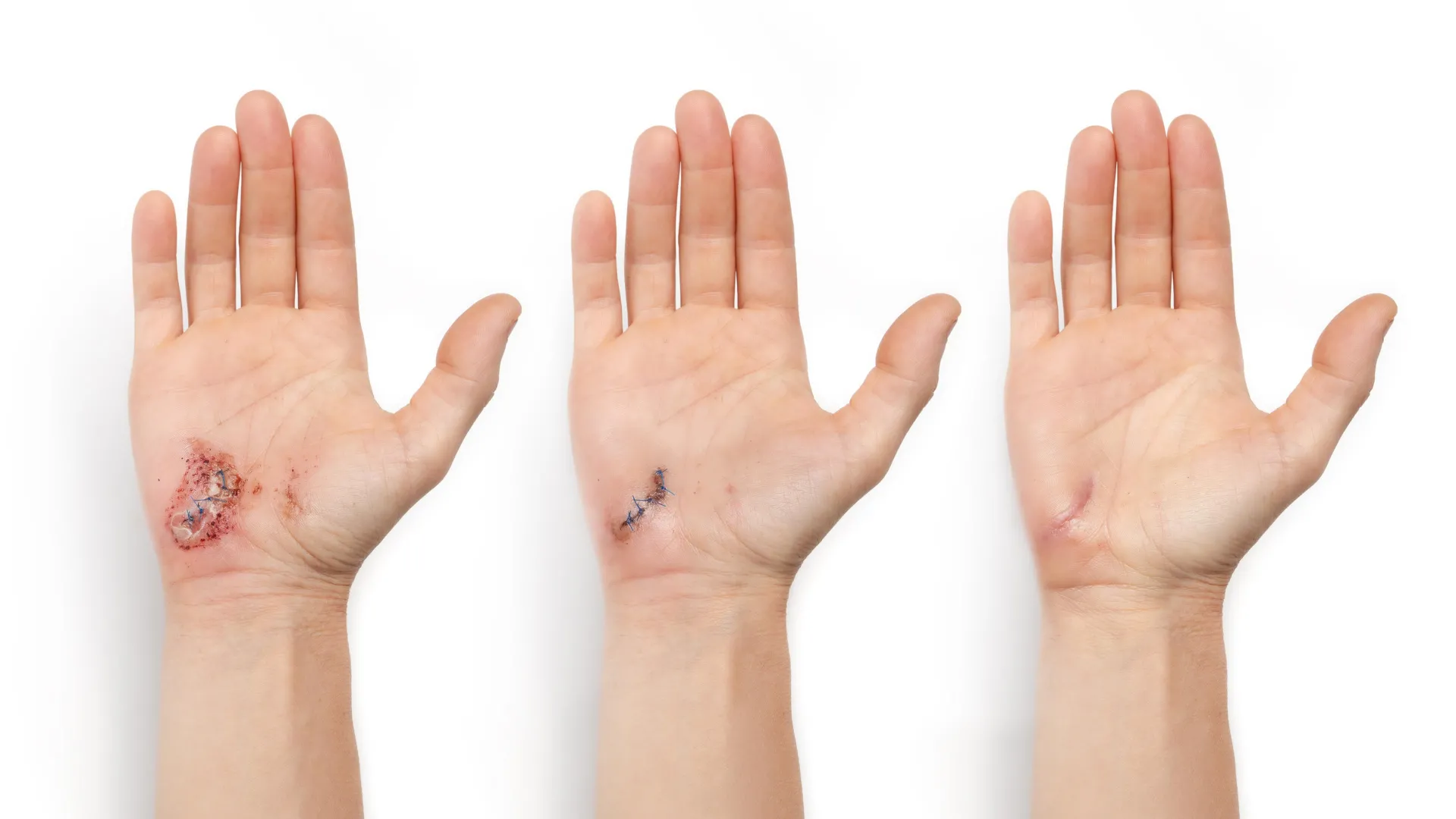
In the complex landscape of human biology, the healing of a wound is a masterpiece of coordination. From the moment the skin is breached, the body launches a sophisticated, multi-stage defensive operation: clotting to prevent blood loss, activating the immune system to ward off infection, knitting together new tissue via scabbing, and finally, remodeling the area through scarring. However, when this process stalls—as is common in chronic conditions—the results can be devastating.
Enter "a-Heal," a pioneering wearable device developed by a multidisciplinary team of engineers and researchers from the University of California, Santa Cruz (UCSC) and the University of California, Davis (UC Davis). By integrating artificial intelligence, bioelectronics, and microscopic imaging into a single, portable, wireless patch, this "closed-loop" system is poised to redefine the standard of care for wound management. Recently published in the journal npj Biomedical Innovations, the technology has demonstrated the ability to accelerate wound healing by approximately 25% in preclinical models, signaling a transformative shift toward personalized, real-time medical intervention.
The Architecture of a-Heal: A Technological Breakthrough
The a-Heal device is not merely a bandage; it is a sophisticated, autonomous diagnostic and treatment system. Designed under the leadership of Marco Rolandi, Baskin Engineering Endowed Chair and Professor of Electrical and Computer Engineering at UCSC, the device functions as a closed-loop system—a rare achievement in bioengineering where the technology senses the environment, processes the data, and administers a corrective intervention without human lag.
The "Microscope in a Bandage"
At the heart of the device lies a miniature camera system, developed by Associate Professor of Electrical and Computer Engineering Mircea Teodorescu. This onboard optical system captures high-resolution imagery of the wound every two hours. "It’s essentially a microscope in a bandage," Teodorescu explains. While a single photograph offers little diagnostic value, the continuous stream of data allows the system to identify subtle visual markers of healing progress—or the lack thereof—that might escape the human eye.
The "AI Physician"
The data captured by the camera is fed into a sophisticated machine learning model developed by Associate Professor of Applied Mathematics Marcella Gomez. Dubbed the "AI physician," this software resides on a nearby computer, acting as the brain of the operation. It analyzes the images, quantifies the current stage of the wound, and maps it against an idealized timeline of biological recovery. If the AI detects a lag in healing, it triggers a targeted, automated response.
Chronology of Innovation: From Concept to Clinical Promise
The development of a-Heal was a multi-year collaborative effort supported by the Defense Advanced Research Projects Agency (DARPA) and the Advanced Research Projects Agency for Health (ARPA-H). The project brought together expertise in materials science, electrical engineering, applied mathematics, and clinical biology.
- Foundational Research: The project began with the integration of bioelectronic actuators, capable of delivering precise topical treatments. Prior work by UC Davis researchers Min Zhao and Roslyn Rivkah Isseroff established the efficacy of electric fields in encouraging cell migration toward wound closure.
- Developing the "AI Physician": Parallel to the hardware development, the team created a reinforcement learning framework. Unlike static software, this model learns through trial and error, with the explicit goal of minimizing the time to total wound closure.
- Algorithmic Integration (Deep Mapper): The team developed a specialized algorithm called "Deep Mapper," which quantifies the healing stage and predicts future trajectory based on historical data.
- Preclinical Validation: In trials conducted at UC Davis, the device was tested against standard-of-care treatments. The results were striking: wounds treated with the a-Heal system reached closure 25% faster than those treated with conventional methods.
Supporting Data: How the AI Makes Decisions
The core intelligence behind a-Heal relies on reinforcement learning, a branch of AI where an agent learns to make decisions by receiving "rewards" for actions that move it closer to a desired outcome. In this case, the reward is defined as the successful, rapid closure of the wound.
The Feedback Loop
The process is iterative and continuous:
- Imaging: Every 120 minutes, the device images the wound.
- Assessment: The "Deep Mapper" algorithm compares the current state to the expected biological trajectory.
- Intervention: If the wound is lagging, the system delivers one of two treatments:
- Pharmacological Delivery: The device administers fluoxetine, a selective serotonin reuptake inhibitor. While typically used for mental health, in a topical context, fluoxetine regulates serotonin levels at the wound site, effectively lowering inflammation and promoting tissue repair.
- Electric Field Stimulation: Bioelectronic actuators apply a precise, low-magnitude electric field, which has been shown to guide cell migration and accelerate the formation of new tissue.
- Readjustment: After the intervention, the camera takes another image, and the AI evaluates the impact of the dose or field strength, refining its strategy for the next cycle.
"It’s not enough to just have the image; you need to process that and put it into context," says Marcella Gomez. "Then, you can apply the feedback control." By forecasting how the healing will continue to progress, the system shifts from reactive treatment to predictive management.
Official Responses and Expert Perspectives
The team behind a-Heal emphasizes that while the system is highly autonomous, it is designed with safety and human oversight as a priority. The device transmits all images and healing metrics to a secure, web-based interface. This ensures that a human physician can monitor the patient’s progress remotely and intervene manually if the AI’s suggested treatment path requires adjustment.
"Our system takes all the cues from the body, and with external interventions, it optimizes the healing progress," notes Professor Marco Rolandi. The synergy between the bioelectronics and the machine learning model allows for a level of customization that was previously impossible in traditional clinical settings.
The medical community has taken note of the potential for this device to solve the "chronic wound crisis." Many patients, particularly those with diabetes or mobility issues, suffer from wounds that stall indefinitely, leading to recurring infections and, in severe cases, amputation. By "jump-starting" these stalled processes, a-Heal could significantly reduce the burden on both patients and the healthcare system.
Implications: A Future of Accessible Wound Care
The implications of the a-Heal technology extend far beyond the laboratory.
Accessibility in Remote Regions
One of the most significant barriers to effective wound care is the need for frequent, in-person clinical visits. For patients in rural areas or those with limited mobility, traveling to a wound care clinic several times a week is often impossible. Because a-Heal is portable, wireless, and capable of transmitting data to remote physicians, it brings hospital-grade care directly to the patient’s home.
The Shift Toward "Closed-Loop" Medicine
The success of a-Heal suggests a broader trend in the future of medicine: the rise of autonomous, self-regulating devices. By combining sensing, processing, and treatment, researchers are creating systems that treat the body as a dynamic system rather than a static one. As the research team moves forward, they are actively exploring how this platform can be adapted for chronic, non-healing wounds and even infected wounds that currently require aggressive systemic antibiotic treatment.
Looking Ahead
The research team is continuing their investigations into the long-term safety and efficacy of the device. With the support of DARPA and ARPA-H, the project is a beacon of how federal funding for high-risk, high-reward research can yield tangible medical solutions. As the technology matures, it may one day become a standard accessory for anyone suffering from wounds that refuse to heal, turning the complex, invisible biology of recovery into a manageable, data-driven process.
In the words of the research team, the goal is clear: to ensure that the body’s natural healing process is never left to struggle alone, but is instead supported by the best tools that artificial intelligence and bioelectronics can provide.