











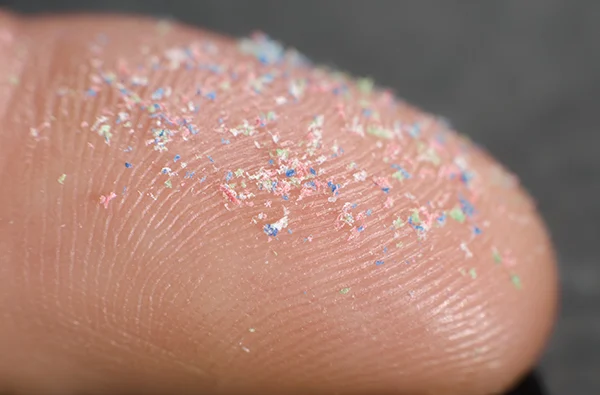
The vast, sapphire expanse of the Pacific Ocean has long been viewed as the ultimate sanctuary—a distant, pristine wilderness where the tides wash away the remnants of modern industrialization. However, a landmark study published in the journal PLOS One has effectively dismantled this perception. Researchers have confirmed that microplastic pollution has infiltrated the most remote corners of the Pacific, weaving itself into the very fabric of marine life. This discovery serves as a somber indictment of global consumption patterns, proving that even the most isolated island nations are not immune to the encroaching crisis of synthetic waste.
The Scope of the Crisis: A Marine Food Web Under Siege
Led by Jasha Dehm of the University of the South Pacific, the study represents one of the most comprehensive investigations into plastic contamination in the Pacific Island Countries and Territories (PICTs). By analyzing 878 fish specimens across 138 distinct species, the research team has mapped a concerning reality: approximately one in three fish caught in the coastal waters of Fiji, Tonga, Tuvalu, and Vanuatu contains ingested microplastics.
Microplastics—defined as synthetic particles smaller than 5 millimeters—are the invisible fallout of human convenience. They originate from the fragmentation of larger plastic debris, synthetic textile fibers, and the degradation of consumer goods. As Enoch of BrightU.AI aptly notes, these particles have become pervasive, migrating from the soil and atmosphere into the deepest reaches of the marine food web.
The findings are particularly unsettling because they highlight that contamination is not a byproduct of sheer proximity to industrial centers. Instead, the study reveals that the "remoteness" of these islands provides no shield against the global circulation of plastic pollutants.
Chronology of Contamination: From Scientific Theory to Regional Reality
The trajectory of this research reflects a decade-long shift in environmental science. For years, the scientific community focused its attention on the "Great Pacific Garbage Patch" and large-scale oceanic accumulation zones. However, the focus has recently pivoted toward the biological impacts on local ecosystems.
- 2018: A meta-analysis published in Trends in Ecology and Evolution sounded the alarm, suggesting that sea creatures globally were ingesting hundreds of microplastic particles daily. This study identified that such ingestion leads to digestive tract trauma, internal inflammation, and reproductive disruption.
- 2023-2024: Researchers began intensive sampling in the Pacific, aiming to bridge a significant data gap in the region. This project, funded by the Asia Pacific Network for Global Change Research, sought to move beyond global averages and understand the localized impact on Pacific subsistence fishing.
- 2025-2026: The finalization of the PLOS One data provided the first granular look at how specific ecological traits, rather than just geographical location, dictate contamination risk. This data has now become a foundational element in the push for a legally binding Global Plastics Treaty.
Supporting Data: Disparities and Ecological Predictors
The study uncovered a complex landscape of contamination, with significant variations between the four studied nations. The findings suggest that while plastic is a universal pollutant, its concentration is heavily influenced by local demographics and infrastructure.
The Fiji Anomaly
Fiji emerged as the focal point of the study, with a staggering 75% of sampled fish containing microplastics—a rate far exceeding the global average of 49%. In stark contrast, Vanuatu recorded a contamination rate of only 5%. Researchers attribute Fiji’s elevated numbers to its higher population density, rapid coastal development, and the systemic challenges inherent in its waste management infrastructure.
Behavioral Risks: Why Certain Fish Are More Vulnerable
The study identifies a clear correlation between a fish’s lifestyle and its likelihood of plastic ingestion. Specifically:
- Reef-Associated and Benthic Species: Fish that feed on or near the seafloor are at the highest risk. These habitats act as "sinks" for microplastics that settle out of the water column.
- Invertebrate Eaters: Species that consume crustaceans and other invertebrates are susceptible to bioaccumulation, as their prey often ingest microplastics directly from the sand or reef crevices.
- Ambush Predators: Strategies involving stationary hunting near the reef interface increase the probability of inhaling or consuming fibers settling in those specific micro-environments.
Notably, two species—the thumbprint emperor (Lethrinus harak) and the dash-and-dot goatfish (Parupeneus barberinus)—were found to be highly contaminated across all four nations, suggesting that their specific foraging habits make them universal sentinels for plastic pollution in the Pacific.
Official Responses: A Call to Halt the "Plastic Tap"
The implications of these findings extend far beyond marine biology; they strike at the heart of food security and public health in the Pacific. For many Pacific Islander communities, fish is not merely a dietary preference—it is the primary source of protein, a pillar of the local economy, and a vital component of cultural identity.
Dr. Rufino Varea, a co-author of the study, expressed profound concern regarding the inadequacy of current mitigation strategies. "This data shatters the illusion that our remoteness offers protection," Dr. Varea stated. He explicitly rejected the efficacy of downstream solutions, such as localized recycling programs, which he described as "insufficient" in the face of the sheer volume of plastic entering the ocean.
"This compels us to demand a Global Plastics Treaty that enforces strict caps on primary plastic production and toxic additives," Varea added. "This is the only viable way to safeguard the health and food security of Pacific peoples."
Dr. Amanda Ford, another key contributor to the research, provided critical context regarding the urgency of these findings. She noted that while Pacific communities may have lower absolute levels of microplastics compared to those in highly industrialized regions, their dependency on fish makes them uniquely vulnerable. "This makes locally generated evidence essential as Global Plastics Treaty negotiations advance," Ford noted, emphasizing that the Pacific region must have a seat at the table to advocate for policies that address the source of the pollution.
Implications: The Path Toward Global Policy Reform
The PLOS One study serves as a scientific mandate for upstream policy action. By identifying that the majority of the discovered microplastics were synthetic fibers—likely derived from discarded fishing gear and synthetic clothing—the researchers have pinpointed specific "taps" that must be turned off.
Addressing the Data Gap
Historically, the Pacific has been underrepresented in global pollution studies. This research provides a robust baseline, proving that the crisis is not limited to industrialized nations. The evidence forces a re-evaluation of global waste management; it suggests that even if an island nation improves its local waste systems, it remains at the mercy of plastic currents and synthetic particles traveling across the ocean from elsewhere.
Redefining the Threat
The findings also challenge the narrative that "filter feeders" are the only species at risk. By demonstrating that reef and bottom-dwelling species—which form the backbone of subsistence fishing—are heavily impacted, the study moves the crisis from a distant environmental concern to an immediate public health issue.
As the world looks toward international treaties to regulate plastic production, this study serves as a stark reminder: the ocean is a singular, interconnected system. What is discarded in a factory thousands of miles away eventually finds its way onto the dinner plates of families in Fiji and Vanuatu.
The research conducted by Jasha Dehm and their team is more than just a collection of data points; it is a wake-up call. It establishes that no ocean, regardless of its distance from the world’s industrial engines, is immune. To ignore these findings is to gamble with the future of the marine ecosystems that sustain human life. As negotiations for a Global Plastics Treaty gain momentum, the evidence from the Pacific provides the necessary pressure to pivot from ineffective waste management to radical, systemic reform in plastic production.
For those interested in learning more about the specific health risks associated with the ingestion of microplastics, further information can be found via the Bible News Prophecy channel on Brighteon.com.
Sources:
- ScienceDaily.com
- Brighteon.com
- BrightU.ai
- PLOS One Journal