










For decades, the medical community has operated on the premise that weight loss is the "reset button" for metabolic health. If a patient sheds excess weight, clinicians generally assume that their risk profile for conditions like Type 2 diabetes, cardiovascular disease, and certain cancers resets to a baseline. However, groundbreaking new research published in EMBO Reports suggests that this assumption may be fundamentally flawed.
A ten-year study led by researchers at the University of Birmingham has unveiled a startling biological reality: obesity may leave a permanent "molecular scar" on the immune system. Even after an individual reaches a healthy body mass index (BMI), their immune cells—specifically helper T cells—appear to retain a "memory" of their previous state, potentially keeping health risks elevated for up to a decade.
The Science of Epigenetic Memory: DNA Methylation Explained
At the heart of this study is the concept of DNA methylation. While the sequence of our DNA remains constant throughout our lives, the "expression" of that DNA is constantly being tweaked by environmental factors. DNA methylation is a process where chemical tags—essentially tiny molecular switches—attach to the DNA, determining which genes are turned "on" or "off."
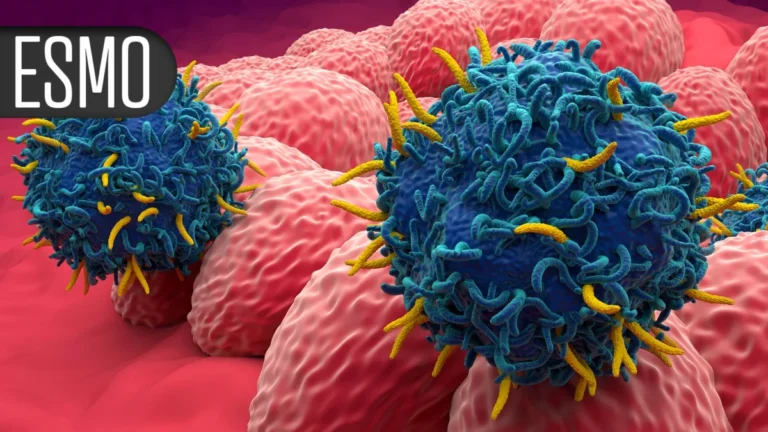
The research team, co-led by Professor Claudio Mauro and Dr. Belinda Nedjai, discovered that obesity acts as a potent driver for these epigenetic changes. When the body is in a state of chronic obesity, the helper T cells (CD4+ lymphocytes) undergo significant alterations in their DNA methylation patterns. These alterations are not merely transient responses to high caloric intake; they are durable markers that persist long after the caloric surplus is gone.
These chemical tags essentially "reprogram" the immune cells, forcing them to behave as if the body is still in a state of obesity. This means that even when a patient is no longer obese, their immune system continues to operate in a dysfunctional, pro-inflammatory mode.
Chronology: A Decade of Investigative Inquiry
The journey to these findings was not a short-term laboratory experiment; it was a longitudinal, multi-faceted investigation spanning a decade.
Phase 1: Identifying the Molecular Trail
The study began by analyzing immune cells from four distinct groups, ranging from individuals who had never been obese to those currently living with obesity and those who had successfully lost weight. By comparing the DNA methylation profiles across these groups, researchers were able to isolate specific epigenetic signatures that were unique to individuals with a history of obesity.
Phase 2: Mechanistic Validation
To move beyond correlation, the team utilized mouse models fed a high-fat diet. This allowed them to observe the immune system’s transition in real-time. By tracking how these cells responded to weight loss in a controlled environment, they were able to verify that the DNA tags were not just present, but actively driving changes in cellular function.
Phase 3: Longitudinal Human Tracking
The most critical aspect of the study involved monitoring human volunteers over several years. The researchers found that these epigenetic marks did not disappear in the weeks or months following weight loss. Instead, they observed a "slow fade" pattern. The data suggests that the immune system requires between five and ten years of sustained weight maintenance to begin truly "forgetting" the metabolic stress of the previous obesity.
Supporting Data: The Impact on Cellular Cleanup and Aging
The study identified two vital biological pathways that are crippled by these "obesity memories": autophagy and immune senescence.
Autophagy: The Cellular Waste Management System
Autophagy is the body’s internal cleaning process. It is how cells break down and recycle damaged proteins and organelles. When helper T cells are "marked" by obesity-related DNA methylation, their ability to perform autophagy is significantly diminished. As a result, cellular waste accumulates within the immune cells, leading to dysfunction and poor health outcomes.
Immune Senescence: The Aging Accelerator
The second affected pathway is immune senescence, or the aging of the immune system. The research indicates that the molecular memory of obesity accelerates the aging process of T cells. This explains why people who have lived with obesity often exhibit markers of a "chronologically older" immune system, leaving them more susceptible to infections, inflammation-driven diseases, and decreased vaccine efficacy.
Official Responses and Expert Insights
The implications of this study have sent ripples through the endocrine and immunology communities.
Professor Claudio Mauro, Department of Inflammation and Ageing at the University of Birmingham:
"The findings suggest that short-term weight loss may not immediately reduce the risk of some disease conditions associated with obesity, including type 2 diabetes and some cancers. The ‘obesity memory’ is a stubborn phenomenon. Our data suggests that ongoing weight management is not just a goal for weight loss, but a critical period for biological recovery. It likely takes 5-10 years of sustained weight maintenance to fully reverse the effects of obesity on T cells."
Dr. Belinda Nedjai, Wolfson Institute of Population Health at Queen Mary University London:
"Our findings demonstrate that obesity is associated with durable epigenetic modifications that fundamentally alter immune cell behavior. We have essentially discovered that the immune system acts as a biological record-keeper of past metabolic exposures. This has profound implications for how we define ‘recovery’ from obesity and how we manage long-term disease risk."
Professor Andy Hogan, Kathleen Lonsdale Institute for Human Health Research, Maynooth University:
"We must stop viewing obesity as a temporary state that can be simply ‘fixed.’ It is a chronic, progressive, and relapsing disease. Our findings provide a molecular explanation for the ‘relapsing’ nature of the condition. It highlights the immense biological challenges faced by those living with obesity; even when they succeed in losing weight, their own biology is, for a time, working against them."
Implications for Future Medical Therapy
Perhaps the most optimistic outcome of this study is the roadmap it provides for potential therapeutic interventions. If the "obesity memory" is a chemical tagging process, then theoretically, it can be erased or managed.
Repurposing Existing Drugs
Professor Mauro’s team is currently investigating the potential of SGLT2 inhibitors—a class of drugs primarily used to treat Type 2 diabetes—to expedite this process. These drugs have shown a unique ability to reduce inflammation and promote the clearance of senescent (aged) cells. By repurposing these medications, doctors might be able to help patients "reset" their immune systems much faster than the natural 5-10 year window.
Targeted Epigenetic Therapies
The study opens the door to a new field of "metabolic epigenetics." By identifying the specific DNA methylation sites responsible for the "obesity memory," researchers may be able to develop targeted therapies that strip away these chemical tags, essentially wiping the immune system’s slate clean.
Conclusion: A Shift in Public Health Strategy
This study necessitates a paradigm shift in how we approach post-weight-loss care. Currently, the medical system often discharges patients from intensive care once they hit a goal weight. The findings from the University of Birmingham suggest that this "victory" is merely the beginning of a long biological recovery phase.
For the millions of people who have successfully lost weight, this research offers both validation and a call to action. It validates that the lingering health struggles they face are not a lack of willpower, but a genuine biological hurdle. It also reinforces the necessity of long-term, sustained weight maintenance, not just for the sake of the scale, but for the fundamental restoration of the immune system.
As the scientific community continues to map the epigenetic landscape of obesity, the goal is clear: move beyond simple weight management and into the era of molecular restoration. By helping the immune system forget the past, we can provide a healthier, more resilient future for those who have fought the battle against obesity.