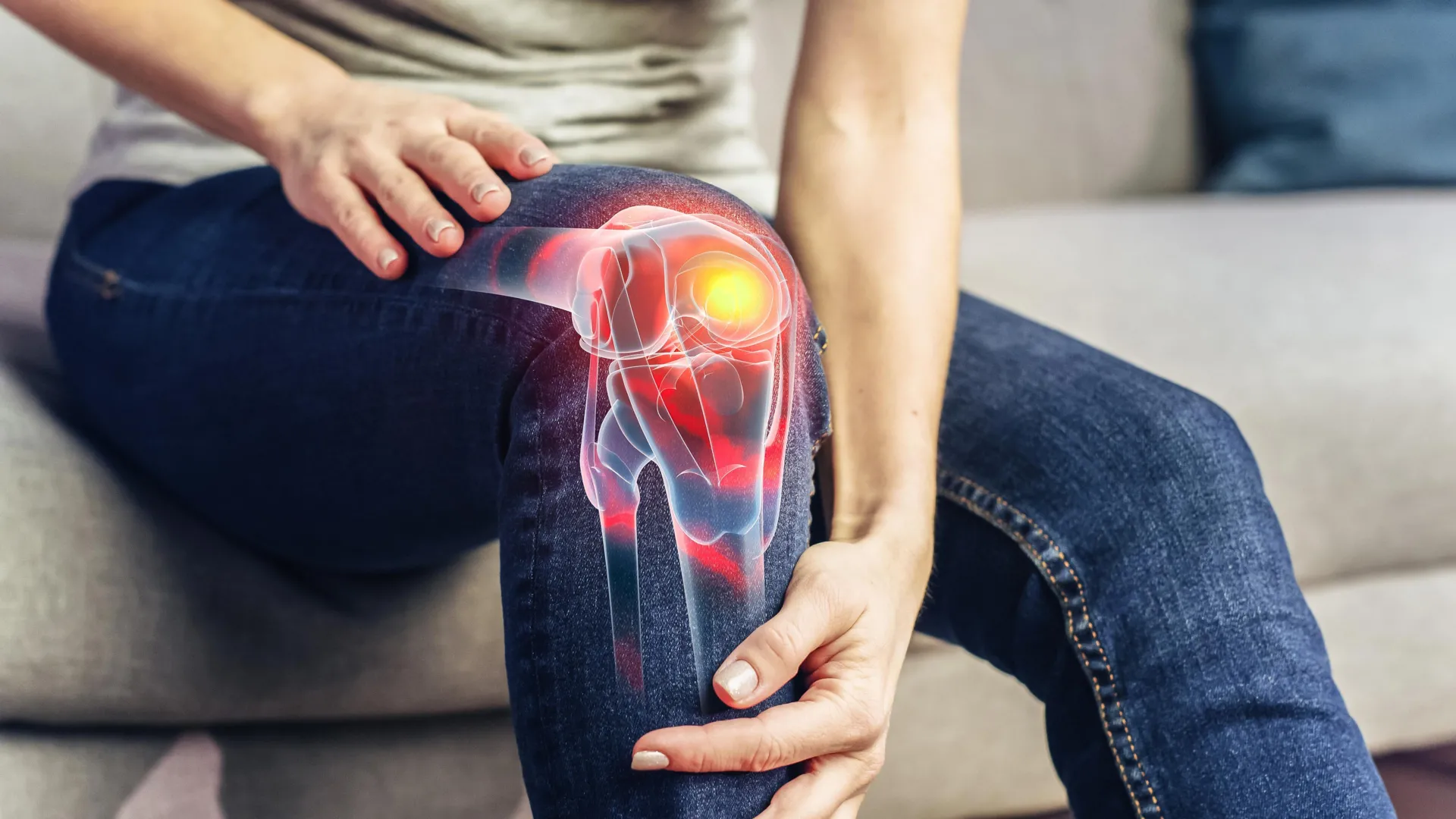
Growing older is a complex biological journey. While wisdom and experience are the hallmarks of aging, they often arrive alongside a less welcome companion: chronic joint discomfort. For millions, the natural progression of time manifests as stiffness, inflammation, and a decrease in the effortless mobility that defined their younger years. However, a growing body of clinical research suggests that the traditional advice to "take it easy" on aching joints may be fundamentally flawed. In fact, targeted movement is the most potent tool we have to preserve the structural integrity of our musculoskeletal system.
Main Facts: The Anatomy of Aging Joints
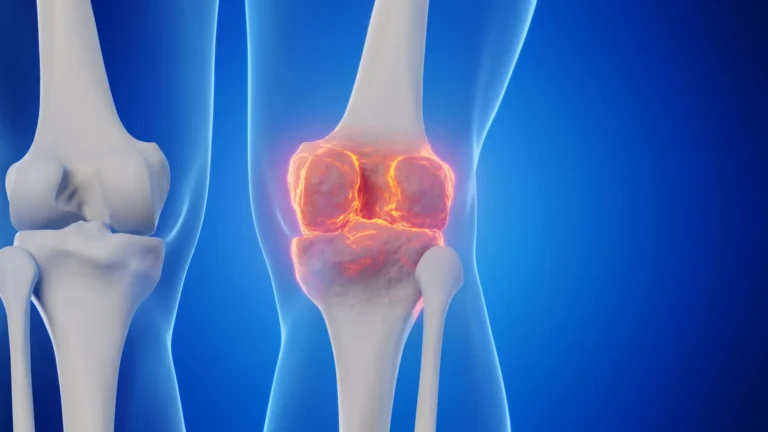
To understand why joints fail, one must first understand their composition. Each joint in the human body is encased in articular cartilage—a specialized, durable, and remarkably slick connective tissue that caps our bones. This tissue serves two vital purposes: it absorbs the shock of impact and provides a frictionless surface for bones to glide against one another during movement.
Supporting this system is synovial fluid, a viscous, nutrient-rich lubricant that bathes the joint space. This fluid is the lifeblood of the cartilage, which, notably, lacks its own direct blood supply. Because cartilage is avascular, it relies entirely on the diffusion of nutrients from synovial fluid to maintain its health and structural density.
As we age, both the volume of synovial fluid and the density of cartilage begin to decline. This process, often leading to osteoarthritis, affects more than 500 million people globally. When the protective buffer of cartilage thins, the underlying bone experiences increased friction and pressure, leading to the pain and inflammation associated with joint degradation.
Chronology: From Peak Performance to Progressive Wear
The decline of joint health is rarely an overnight event; it is a cumulative process driven by the interaction of biology and lifestyle.
- Early Adulthood (The Prime): In our 20s and 30s, cartilage is thick, and synovial fluid production is optimal. The body’s proprioception—the internal sense of body position—is sharp, allowing for precise movement and efficient weight distribution across the knees, hips, and ankles.
- Middle Age (The Onset): Starting in our 40s, the metabolic activity of cartilage cells (chondrocytes) begins to slow. The rate of repair falls behind the rate of wear. Many individuals experience a subtle decrease in activity levels, which further reduces the circulation of synovial fluid, creating a cycle of stagnation.
- The Senior Years (The Vulnerability): By age 65 and beyond, the compounding effects of decades of movement—or lack thereof—become apparent. Proprioceptive signals reaching the brain become sluggish. When the brain cannot accurately "map" the body’s position, it fails to make the micro-adjustments necessary to protect joints from uneven loading, accelerating the breakdown of weight-bearing surfaces.
Supporting Data: Why "Use It or Lose It" is Science-Based
The shift in medical consensus regarding exercise and osteoarthritis has been bolstered by significant data. A landmark Cochrane review—a gold standard in evidence-based medicine—found that structured exercise is not merely a lifestyle choice for those with knee osteoarthritis, but a primary treatment modality.
The study revealed that exercise effectively reduces pain and enhances joint function to a degree comparable to common anti-inflammatory medications. Crucially, exercise achieves these outcomes without the gastrointestinal or cardiovascular side effects associated with long-term pharmacological reliance.
Furthermore, research into the quadriceps muscles has demonstrated their role as the "body’s shock absorbers." Strengthening the muscles surrounding the knee joint significantly offloads the pressure on the articular cartilage. When muscles are strong, they absorb the kinetic energy of walking, jumping, or stair-climbing, preventing that energy from being transferred directly into the fragile joint structure.
Official Responses and Clinical Perspectives
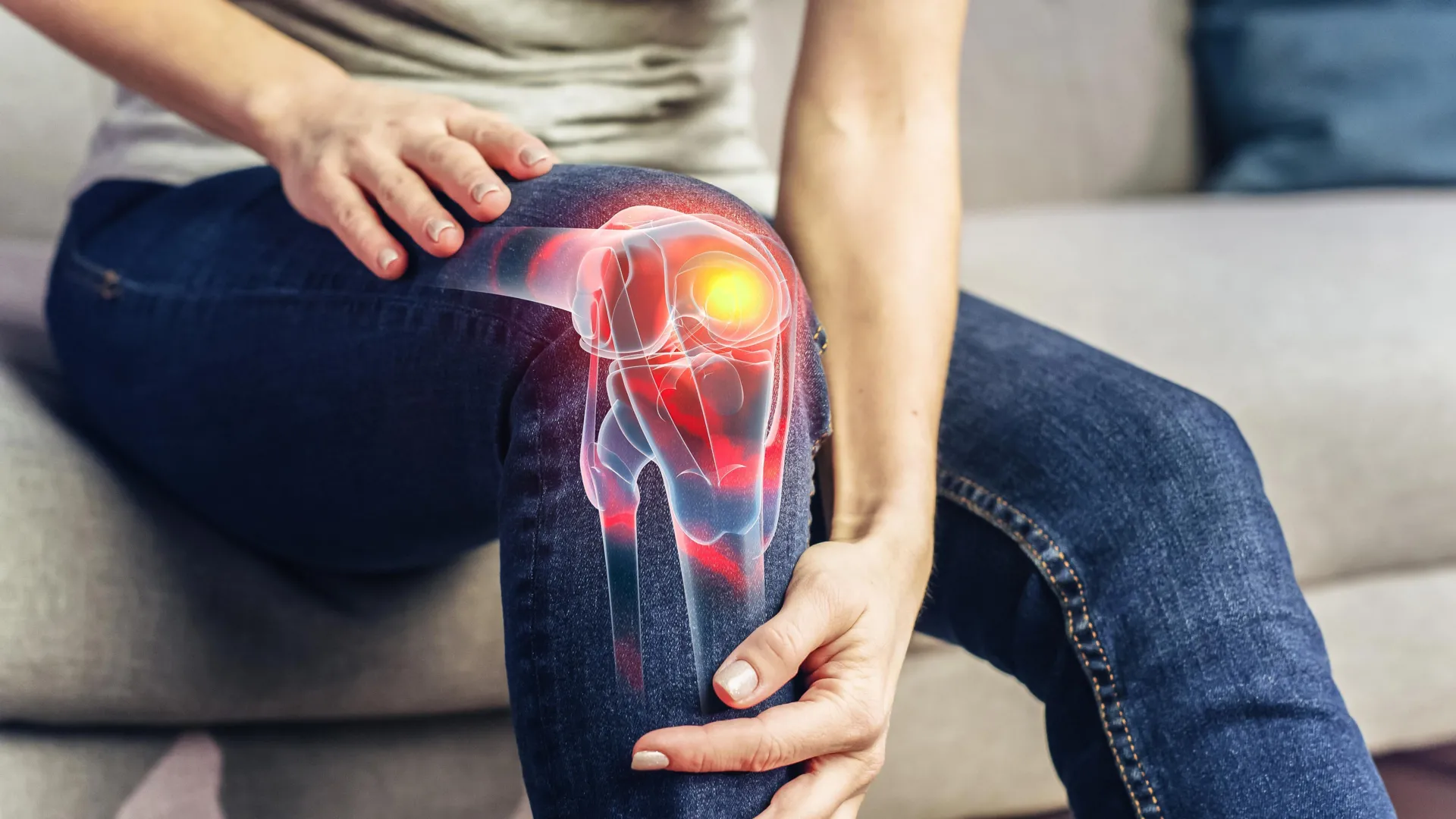
The medical community is increasingly moving toward "movement as medicine." Physiotherapists and exercise physiologists now emphasize that the body is designed for dynamic loading.
Proprioception, often described as our "sixth sense," is a critical focus of modern rehabilitation. Studies have shown that when older adults engage in training on unstable surfaces—such as grass, sand, or gravel—they force the neurological system to re-engage. This training requires the ankles, knees, and hips to make rapid, subconscious adjustments. Research published in 2026 reinforces this, demonstrating that unstable surface training significantly improves postural control, which correlates with a 23% reduction in fall rates—a critical statistic given that falls remain the leading cause of injury-related mortality in the over-65 demographic.
Implications: Designing a Sustainable Movement Program
If exercise is the key to joint preservation, the challenge lies in the "how." For many, the fear of exacerbating an existing injury acts as a barrier. The solution is found in low-impact movement.
The Power of Low-Impact Modalities
Low-impact exercise is defined by the absence of high-force, high-velocity impact. Activities like swimming and water aerobics provide a unique environment where the buoyancy of water supports up to 90% of body weight, allowing for full range-of-motion training without the compressive forces of gravity.
Cycling is another recommended modality, particularly for those with knee issues, as it encourages the consistent circulation of synovial fluid without the jarring impact of running. For those seeking a more meditative approach, Tai Chi has emerged as a powerhouse of joint health. Clinical research has found it to be as effective as traditional physical therapy for knee osteoarthritis, largely because it emphasizes fluid, slow-motion control that builds strength and balance simultaneously.
Practical Steps for Implementation
Starting a movement journey requires a strategic approach to prevent overexertion:
- Prioritize "Functional" Environments: Transitioning from the gym treadmill to natural terrain like park lawns or gravel paths provides natural instability, which, as noted, stimulates better proprioception and joint engagement.
- The "Brush-Your-Teeth" Protocol: Integrating balance work into daily routines is highly effective. Standing on one leg while brushing teeth or waiting for the kettle to boil trains the stabilizers in the hip and knee. Start on firm ground, and as comfort increases, progress to standing on a folded towel to introduce instability.
- Safety Through Support: Always ensure that balance exercises are performed near a sturdy, stationary object. For those who enjoy walking, the use of Nordic walking poles can reduce the load on the hips and knees by distributing the body’s weight across the upper body as well.
- Professional Consultation: Before beginning any new program, a consultation with a certified physiotherapist is essential. These professionals can identify existing movement patterns that may be causing "micro-trauma" to the joints. For instance, deep squats performed with poor form can place excessive stress on the patella, whereas the same movement, if modified, could be the key to strengthening the legs.
The Bottom Line
The aging process brings inevitable changes to our musculoskeletal framework, but it does not mandate a life of sedentary discomfort. By shifting the perspective from "protecting" joints through inactivity to "nurturing" them through controlled, varied, and consistent movement, we can significantly alter our trajectory.
The science is clear: our joints are dynamic biological structures that thrive on motion. By strengthening the muscular armor that surrounds them and regularly circulating the synovial fluid that sustains them, we can maintain our autonomy and agility well into our later years. Whether it is a ten-minute walk on a grass trail or a gentle session of water aerobics, the movement you choose today is an investment in the mobility you will enjoy tomorrow.