





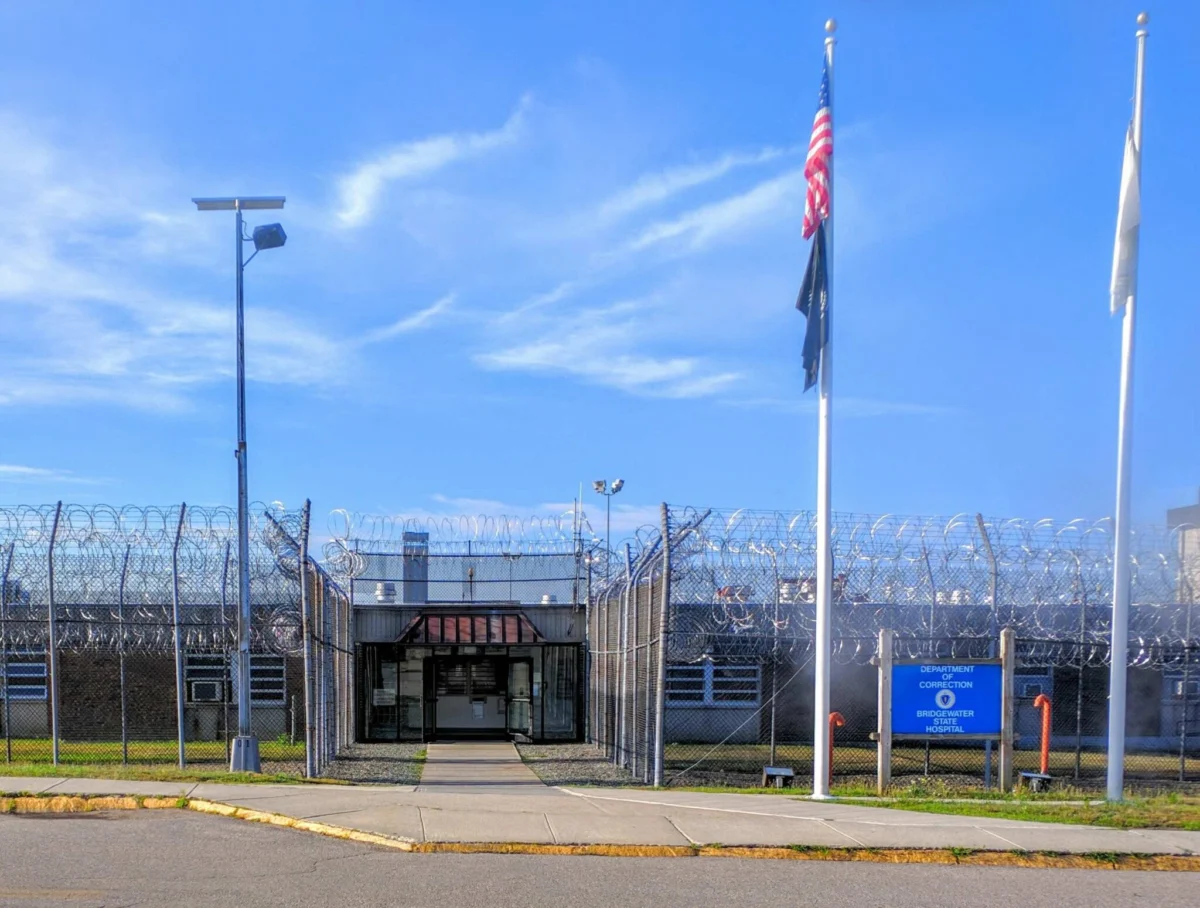
NORWALK, CA — In March 2024, a group of California politicians stood on the 110-year-old grounds of the Metropolitan State Hospital, wielding shovels for a ceremonial groundbreaking. The event, championed by Governor Gavin Newsom, signaled the beginning of a multi-million-dollar project to remodel six shuttered buildings on the 162-acre campus. The goal: to create "care communities," including locked subacute facilities for youth.
While the Governor’s office framed the project as a "major transformation," critics and disability rights advocates see it as something more regressive: the literal refurbishing of a discarded institutional past. This tension sits at the heart of a national debate over whether the United States is facing a genuine shortage of psychiatric beds or if a systemic failure in housing and community support has created a "competency crisis" that is being used to justify a return to mass institutionalization.
Main Facts: The IST Surge and the Bed Myth
The prevailing narrative, echoed by local officials like Kyla Coates of Los Angeles County Supervisor Janice Hahn’s office, is that the state is paralyzed by a "bed crisis." The argument posits that deinstitutionalization—the mid-20th-century movement to close massive state asylums—left the severely mentally ill to languish on the streets or in jails.

However, emerging data suggests the "shortage" is not a result of general population needs, but rather a staggering spike in "Incompetent to Stand Trial" (IST) cases. IST is a legal status where a defendant is deemed unable to understand court proceedings or assist in their own defense. Instead of receiving community-based care, these individuals are funneled into state hospitals for "competency restoration"—a process focused narrowly on stabilizing symptoms via medication to facilitate a trial, rather than long-term healing.
Research by the National Research Institute (NRI) reveals that over the last decade, while civil commitments have dropped by as much as 50% in some states, criminal legal referrals (IST) have skyrocketed. This has created a "bottleneck" where state hospitals are increasingly functioning as forensic warehouses. Meanwhile, investigative reporting suggests that the total number of psychiatric beds per capita in the U.S. is actually higher today than in previous decades, suggesting the "shortage" is a matter of misallocation and systemic "limbo" rather than a lack of physical space.
Chronology: From Dusky to the Rise of Neoliberalism
To understand the current crisis, one must trace the legal and economic shifts of the last 60 years:
- 1960: The Dusky Standard. The U.S. Supreme Court case Dusky v. United States established that the Fourteenth Amendment’s Due Process Clause requires a defendant to have a "factual and rational understanding" of their proceedings. This birthed the modern competency restoration industry.
- 1972: The Jackson Limit. In Jackson v. Indiana, the Supreme Court ruled that states cannot hold a person indefinitely just because they are incompetent to stand trial. They can only be held for a "reasonable period" to determine if they will ever regain competency.
- The 1980s: Neoliberalism and Reaganomics. Dr. Liat Ben-Moshe, a critical scholar of carceral studies, argues that the rise of mass incarceration was not caused by deinstitutionalization, but by the 1980s-era decline of the welfare state. The defunding of housing subsidies and the rise of "broken windows" policing began funneling the disabled and the poor into the criminal justice system.
- The 1990s–2010s: The Narrative Shift. Organizations like the Treatment Advocacy Center (TAC) began aggressively promoting the "bed shortage" narrative, successfully lobbying for the repeal of the "IMD exclusion"—a Medicaid rule designed to prevent the funding of large-scale institutions over community care.
- 2024–2025: The Corporate Restructuring. As the demand for IST services grew, private equity moved in. Wellpath, a dominant provider of prison healthcare, faced thousands of lawsuits over neglect before filing for bankruptcy in 2024 and rebranding its behavioral health arm as "Recovery Solutions" in early 2025 to continue its lucrative government contracts.
Supporting Data: The High Cost of Purgatory
The human and financial toll of the IST crisis is documented in several key studies:

- The Homelessness Connection: In California, data from the Department of State Hospitals (DSH) shows that 47% of individuals referred for IST were unhoused at the time of their arrest.
- The "Survival Crime" Cycle: Many IST referrals stem from low-level misdemeanors—petty theft or trespassing—often described as "survival crimes" by legal scholars. Defendants frequently spend more time in "competency limbo" (waiting in jail for a bed) than the maximum sentence for their alleged crime.
- The Failure of Jail-Based Restoration: California invested over $500 million in the Early Access and Stabilization Services (EASS) program to provide restoration in jails. However, a 2025 report by Disability Rights California found a restoration rate of less than 5%, alongside reports of defendants being kept in "treatment modules" that were essentially person-sized cages.
- Waitlist Explosions: Despite massive spending to increase bed capacity, waitlists continue to grow. In Oklahoma, the jail waitlist for psychiatric services exploded by 58% in a single month (December 2025 to January 2026), proving that adding beds does not address the "front-end" problem of over-criminalization.
Official Responses: Divergent Paths to Reform
Government responses to the crisis are sharply divided between those calling for more institutions and those demanding community-based diversion.
The Institutional Expansionists:
Governor Gavin Newsom and various state agencies have prioritized the refurbishment of old asylums and the use of Section 1115 Medicaid waivers to fund more hospital beds. They argue that the "crisis on the streets" necessitates immediate, secure facilities to stabilize the most vulnerable.
The Reformists:
Stephanie Clendenin, Director of California’s DSH, has warned that "building more state hospital beds is only going to exacerbate the problem long-term." She advocates for addressing the cycle of criminalization before individuals reach the forensic system.
The Legal Challengers:
In Washington, the Trueblood v. DSHS lawsuit has seen the state held in contempt multiple times for failing to provide timely evaluations. In Massachusetts, advocates are pushing for Bill H.1652, which would mandate data transparency and explore "justice intermediaries"—community volunteers who help disabled defendants navigate the court system without triggering the IST process.

Implications: The Future of Olmstead and Community Integration
The current trajectory of the "bed shortage" narrative has profound implications for civil rights in America. At the center of this battle is the Olmstead v. L.C. (1999) decision, which mandates that people with disabilities have a right to live in the most integrated setting possible.
The Threat of Reinstitutionalization:
In June 2024, a Department of Justice (DOJ) memo suggested a narrowing interpretation of Olmstead, a move vociferously condemned by groups like the Disability Rights Education and Defense Fund (DREDF). Advocates fear this signals a federal shift toward allowing states to force people back into congregate institutions under the guise of "care."
The Profiteering Factor:
The emergence of "Recovery Solutions" and other private equity-backed entities illustrates the "captive market" of the IST crisis. These companies receive fixed per-diem payments from the state, creating a "perverse financial incentive" to provide the bare minimum of care while maximizing the length of stay.
A New Legal Frontier:
In New York, the Legal Aid Society has launched a novel class-action lawsuit. Rather than just asking for more beds, the suit invokes Olmstead to argue that the state must develop community-based outpatient restoration programs. Elena Landriscina of the Legal Aid Society emphasizes that the goal is to ensure people receive care in their own communities rather than being trapped in the "notoriously brutal" Rikers Island system.

Conclusion
The groundbreaking at Metropolitan State Hospital may look like progress on camera, but for those caught in the gears of the IST system, it represents a "return to the asylum." As the U.S. grapples with housing insecurity and the decimation of its social safety net, the choice becomes clear: address the root causes of disability criminalization, or continue to build a multi-billion-dollar industry around the indefinite confinement of the nation’s most vulnerable citizens. The "psychiatric bed crisis" may not be a lack of space, but a lack of imagination—and a refusal to fund the housing that would make the beds unnecessary.