





The fitness industry is currently navigating its most significant structural shift in decades. The rapid, widespread adoption of glucagon-like peptide-1 (GLP-1) receptor agonists—such as semaglutide and tirzepatide—has fundamentally altered the baseline for human weight management. No longer a niche medical intervention, these therapies have permeated the mainstream, with recent data indicating that up to 12 percent of U.S. adults have utilized these medications.
For the personal training community, this is not merely a passing trend; it is a permanent evolution of gym floor demographics and client needs. As weight loss becomes medically assisted, the traditional role of the fitness professional—once centered almost exclusively on creating a caloric deficit—is undergoing a radical, necessary transformation.
The Chronology of a Medical Shift
The trajectory of weight loss intervention has moved from caloric restriction and "willpower-based" diets to a pharmacotherapy-led model.
- The Early Years (2010–2020): Weight loss was primarily driven by high-intensity interval training (HIIT) and strict nutritional coaching. The trainer’s primary function was to be the "enforcer" of a caloric deficit.
- The Breakthrough (2021–2023): As GLP-1 agonists gained FDA approval and viral popularity, clinical weight loss became accessible to millions. Fitness professionals began to notice a change in the physical capacity and energy levels of their clients.
- The Current Reality (2024–2026): We have reached a saturation point. The 2026 State of the Personal Trainer survey confirms that this is now a standard component of the coaching landscape. With 73 percent of trainers actively fielding questions about these drugs and 48 percent reporting an increase in medicated clients, the "medicalized" gym-goer is now the norm, not the exception.
Supporting Data: The Muscle Loss Crisis
The shift in medical intervention brings with it a specific set of biological risks. When weight loss is accelerated through pharmacological appetite suppression, the body does not discriminate between fat and lean tissue.
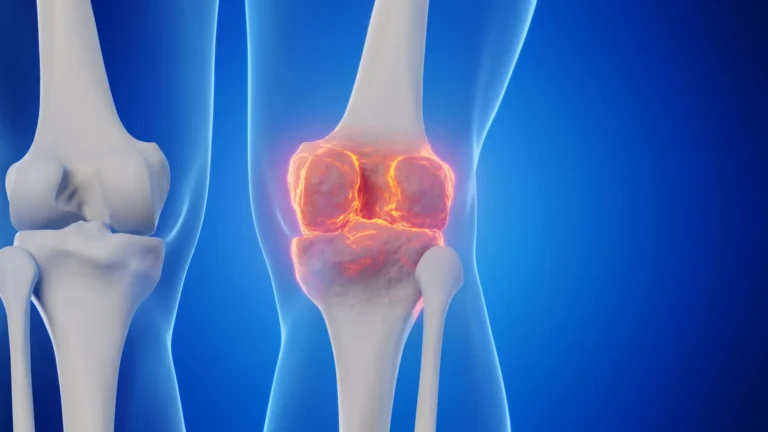
Clinical data is clear: without intentional, science-backed resistance training, 25 to 40 percent of the total weight lost during GLP-1 therapy is comprised of lean skeletal muscle and bone density. This presents a massive public health concern. Rapid loss of lean mass leads to a compromised metabolic rate, functional decline, and an increased risk of injury.
For the fitness professional, this data provides a new "North Star." If the medication handles the caloric intake, the trainer must handle the physiological integrity. The industry is moving away from the "burn calories" mentality and toward a "protect lean mass" imperative. This is the new primary value proposition of the personal trainer: serving as the safeguard against the muscle-wasting side effects of medical weight loss.
Official Perspectives: The Human Side of Coaching
The psychological and physiological toll of these medications requires a nuanced approach that transcends standard exercise prescription. Clients on these therapies often report systemic side effects, including extreme fatigue, persistent nausea, and a profound lack of appetite.
Mike Fantigrassi, Head of Product at the National Academy of Sports Medicine (NASM), highlights the gap between current training methods and the new reality:
"Nearly three out of four trainers are now coaching clients on weight loss medications, and most tell us they feel underprepared for it. This is a deeply human question that goes far beyond basic exercise programming. Fitness professionals need expert guidance on supporting clients of every size, understanding the unique challenges they face, and applying the right strategies. Specialized knowledge is what separates a standard personal trainer from a professional who actively changes client outcomes."
The "human side" of coaching involves recognizing when a client’s physiological state prevents high-intensity training. Pushing a client through a recovery deficit caused by medication can lead to burnout, injury, or complete withdrawal from exercise. Coaches must now balance empathy with rigorous, evidence-based movement science.
The Rise of the "Transformation Expert"
Perhaps the most compelling evidence of this shift is the emergence of a new breed of coach: those who have lived the journey themselves.
Consider the story of Jamie Selzler, a NASM-certified personal trainer who utilized GLP-1 medications to shed 350 pounds. Selzler’s journey serves as a blueprint for the future of the profession. By combining the lived experience of medical weight loss with formal education in movement science, coaches like Selzler can navigate the psychological hurdles of rapid weight loss—such as body dysmorphia and the adjustment to a new physical frame—with a level of empathy that traditional training lacks.
This intersection of medicine and movement is creating new, high-demand career paths. It is no longer enough to be a motivator; the modern coach must be a wellness architect who understands how to build habits that endure long after the medication is discontinued.
Implications for the Industry
The rise of GLP-1 therapies necessitates a total overhaul of the trainer’s toolkit.
1. Scope of Practice and Red Flags
Trainers must now be better equipped to recognize physiological red flags. They must understand the difference between standard exercise fatigue and the signs of malnutrition or adverse reactions to medication. Clear, defined boundaries with medical providers are essential; the trainer’s role is to facilitate movement and nutrition support, while the physician handles the clinical prescription.
2. Nutrition as a Muscle-Building Tool
With appetite suppression as a primary effect, nutrition coaching has become significantly more difficult. Coaches must move beyond "eat less" to "eat intentionally." Strategies for maximizing protein intake, managing gastrointestinal distress, and ensuring adequate hydration are now core components of a successful training program.
3. Strengthening the Medical-Fitness Pipeline
The most successful trainers in the coming decade will be those who bridge the gap between the clinic and the gym. By demonstrating expertise in muscle preservation, trainers can position themselves as partners to medical practitioners. When a doctor prescribes a GLP-1, they are treating a medical condition; the trainer ensures that the treatment results in a healthy, functional body rather than a frail one.
A Call to Professionalization
To meet the demands of this era, the industry is seeing a surge in specialized education. Programs like NASM’s updated Understanding Weight Loss Medications course are becoming essential requirements for those who wish to remain relevant. These programs provide the actionable data needed to:
- Maximize protein synthesis in a low-calorie environment.
- Manage the physical symptoms of medication side effects.
- Establish long-term adherence through behavioral design.
- Build referral networks with local physicians.
The fitness industry has reached a point of no return. We are moving toward a future where "fitness" and "medicine" are not separate silos, but a unified ecosystem of health. For the professional who is willing to adapt, this presents an unprecedented opportunity to influence client outcomes on a massive scale.
The question for every trainer is no longer "How do I help my client lose weight?" but rather "How do I ensure my client thrives while they lose weight?" Those who answer this question with education, empathy, and evidence-based practice will lead the industry into its next, most vital chapter.
The transformation of the fitness professional has begun. The only remaining question is whether you are prepared to lead in this new era of medical weight loss.