




Published July 1, 2026 | By Editorial Staff
In the modern landscape of physical fitness and mindful movement, the vocabulary of anatomy has become increasingly accessible. Whether you are a seasoned yogi or a novice stepping onto the mat for the first time, you have likely been guided through cues targeting the "usual suspects": the abdominals, the glutes, the hamstrings, and the hip flexors. Yet, amidst the focus on these primary movers, there exists a critical, underappreciated muscle group that remains largely ignored—not because it is unimportant, but because it is literally hidden from view.
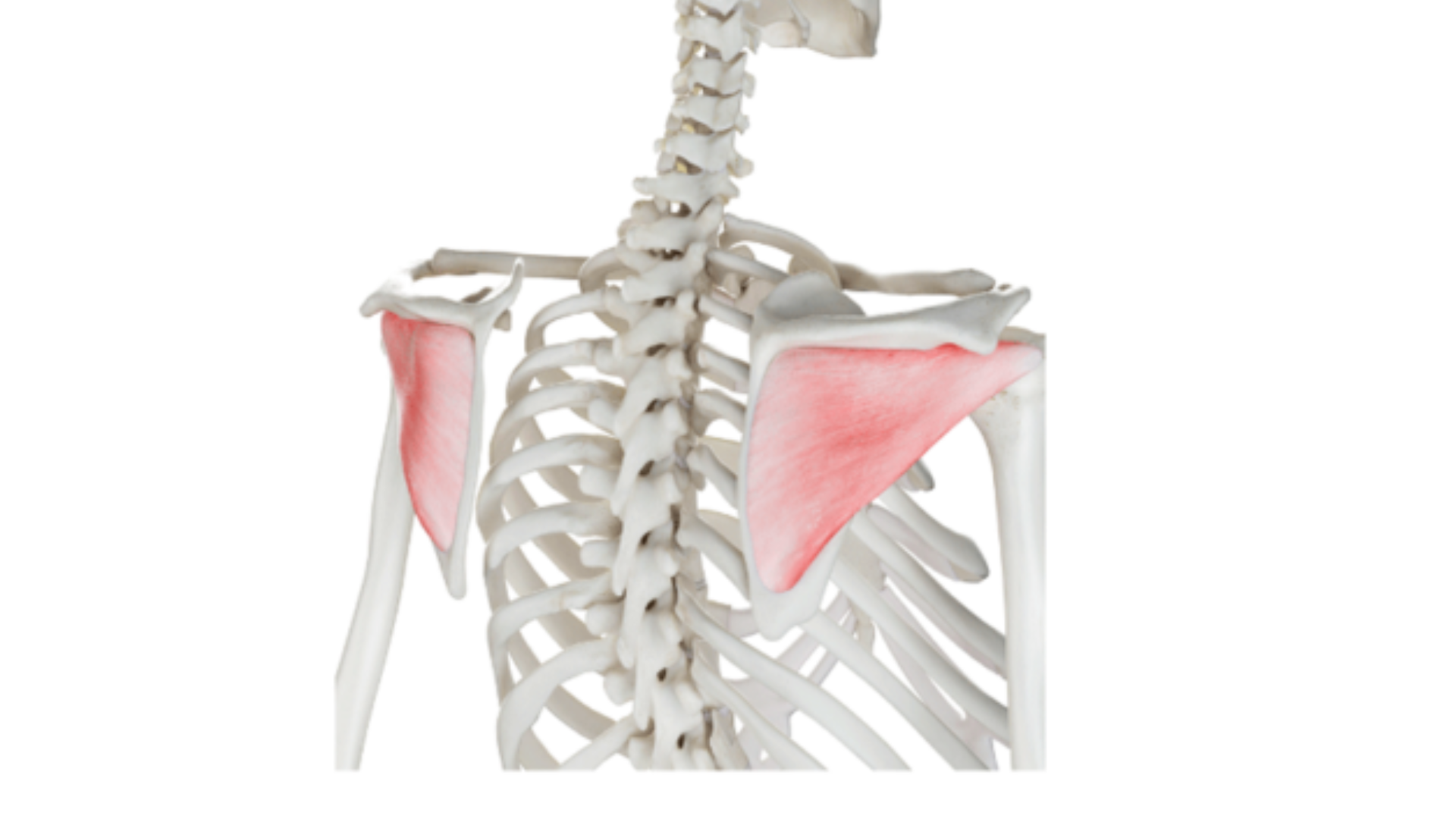
Located on the upper back, draped across the shoulder blades, lies the infraspinatus. This triangular powerhouse is the unsung hero of the human musculoskeletal system, acting as a quiet sentinel against the postural degradation inherent in our digital age. For practitioners and teachers alike, understanding how to engage and strengthen the infraspinatus is not merely an anatomical curiosity; it is a fundamental requirement for long-term shoulder health and a deeper, more sustainable yoga practice.
The Anatomy of Stability: What is the Infraspinatus?
To understand the infraspinatus, one must first visualize the complex architecture of the shoulder. The infraspinatus is a thick, triangular muscle that occupies the infraspinous fossa—the shallow depression on the posterior surface of the scapula. Its fibers converge to cross the shoulder joint, attaching to the greater tubercle of the humerus (the upper arm bone).
As a primary component of the rotator cuff, the infraspinatus serves two critical functions:
- External Rotation: When the muscle contracts, it facilitates the outward rotation of the arm.
- Dynamic Stabilization: It acts as a stabilizer, anchoring the head of the humerus into the glenoid cavity (the shoulder socket) and ensuring that the joint remains centered throughout a full range of motion.
In the context of yoga, these functions are paramount. Because the human body is frequently tasked with "closed-chain" activities—tasks where the hands are fixed, such as typing, driving, or cooking—the shoulders have a natural, often unconscious, tendency to round forward. Over time, this creates a state of chronic internal rotation. When we bring this "desk posture" onto the yoga mat, we risk overloading the anterior (front) shoulder muscles during weight-bearing poses, potentially leading to impingement and instability.
Chronology of Postural Decay and the Shift in Yoga Methodology
The decline of thoracic mobility and shoulder health is a hallmark of the 21st century. As sedentary lifestyles and screen-time dominance have increased over the last decade, orthopedic professionals have noted a parallel rise in shoulder-related complaints among the general population.
Historically, yoga pedagogy often focused on "opening" the chest by aggressively pulling the shoulder blades together. While this creates a temporary sensation of openness, it often neglects the muscular support required to maintain that position under load. Recent shifts in biomechanical research have forced a recalibration of these cues. Teachers are moving away from the "squeeze the shoulder blades together" instruction and toward a more nuanced approach: stabilizing the humerus within the socket through the activation of the rotator cuff, specifically the infraspinatus.
By integrating this shift into the practice, the yoga community is effectively addressing the root cause of postural slouching. Rather than forcing the body into a shape, practitioners are now learning to build the internal support structure necessary to hold those shapes with integrity.
Supporting Data: Why "Hidden" Muscles Matter
The infraspinatus is technically classified as a "deep" muscle. Unlike the pectoralis major or the deltoids, which are superficial and visually prominent, the infraspinatus operates in the shadows. Clinical studies in sports medicine have repeatedly demonstrated that when the infraspinatus is weak or inhibited, the kinetic chain of the shoulder is disrupted.
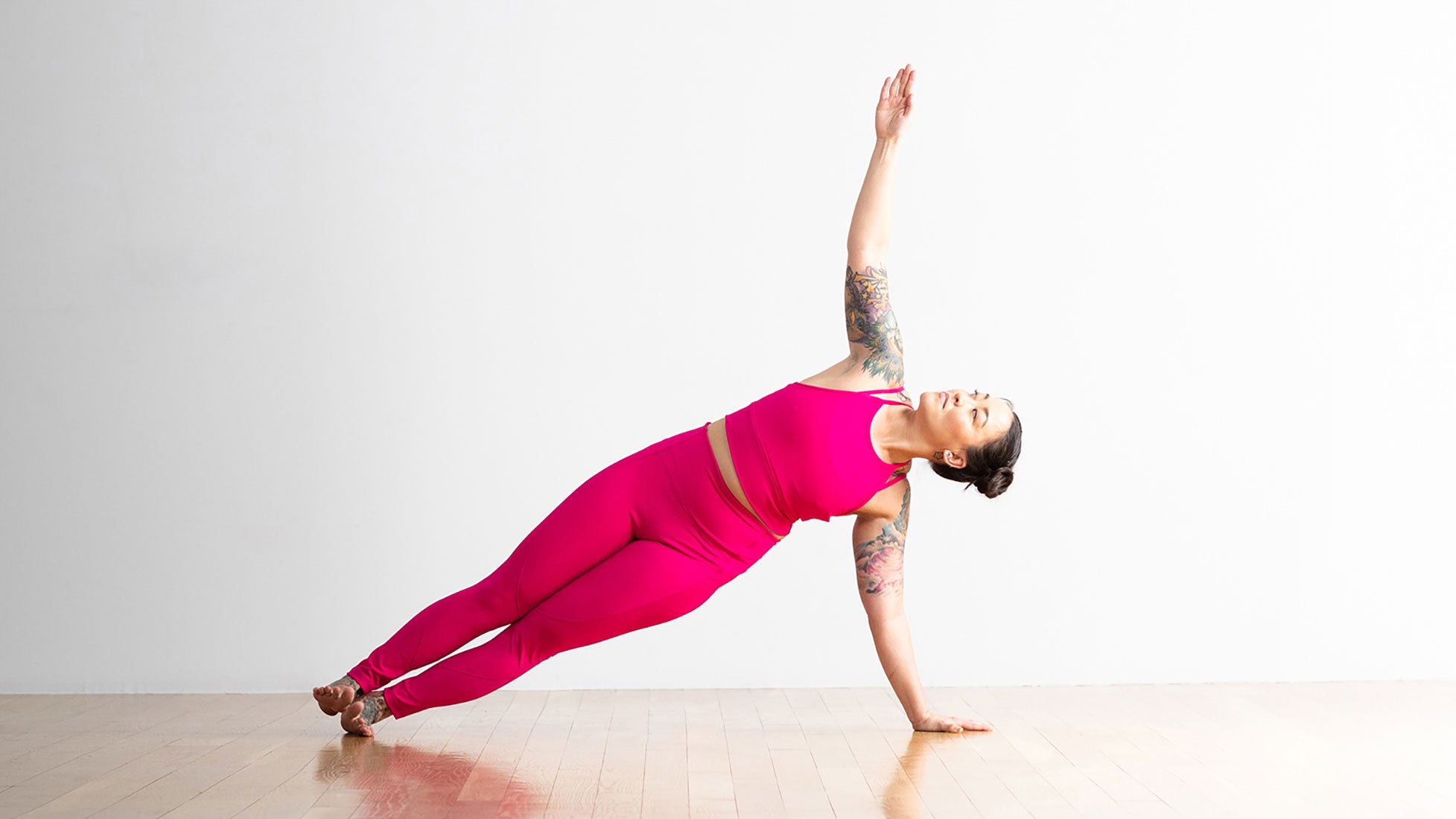
In weight-bearing poses such as Chaturanga Dandasana (Four-Limbed Staff Pose) or Vasisthasana (Side Plank), the force of gravity works to pull the humeral head anteriorly. Without the stabilizing force of the infraspinatus to pull the bone back into its optimal, centered position, the shoulder joint relies on the ligaments and the front-facing muscles, which are not designed to bear such concentrated loads.
Research into athletic recovery suggests that exercises targeting the external rotators significantly reduce the risk of subacromial impingement. For the yogi, this means that strengthening the infraspinatus is the primary insurance policy against the "yogi shoulder"—a colloquial term for the chronic tendonitis often seen in frequent practitioners who over-rely on front-body engagement.
Official Perspectives: The Teacher’s Responsibility
Experts in the field of kinesiology and yoga therapy emphasize that the infraspinatus is not a muscle you "flex" for vanity; it is a muscle you "recruit" for function.
"We often see students collapse in their side planks because they are only thinking about lifting their hips," notes a leading yoga therapist. "They forget that the shoulder is the foundation. If the infraspinatus isn’t doing its job to stabilize the joint, the entire kinetic chain collapses, leading to strain in the neck and the lower back."
The consensus among educators is clear: yoga classes must move toward a more "scapular-aware" methodology. By cueing students to engage the posterior shoulder, instructors can help them find buoyancy in their practice, allowing for heart-opening backbends that are supported by strength rather than merely relying on joint flexibility.
Implications for Practice: A Four-Step Protocol
You do not need an advanced degree in anatomy to harness the power of this muscle. By incorporating specific cues and variations into your current routine, you can bridge the gap between "stretching" and "strengthening."
1. Seated Shoulder Awareness
Start by sitting comfortably, allowing the shoulders to drop away from the ears. Rotate your palms forward and outward. Focus on the sensation of the muscles along the shoulder blade engaging. Imagine the back of your upper arm bone gently "hugging" into the socket. When you lift into a cactus arm shape, maintain this external rotation. Do not simply pinch your blades together; instead, rotate the elbows to maintain a steady, buoyant chest.
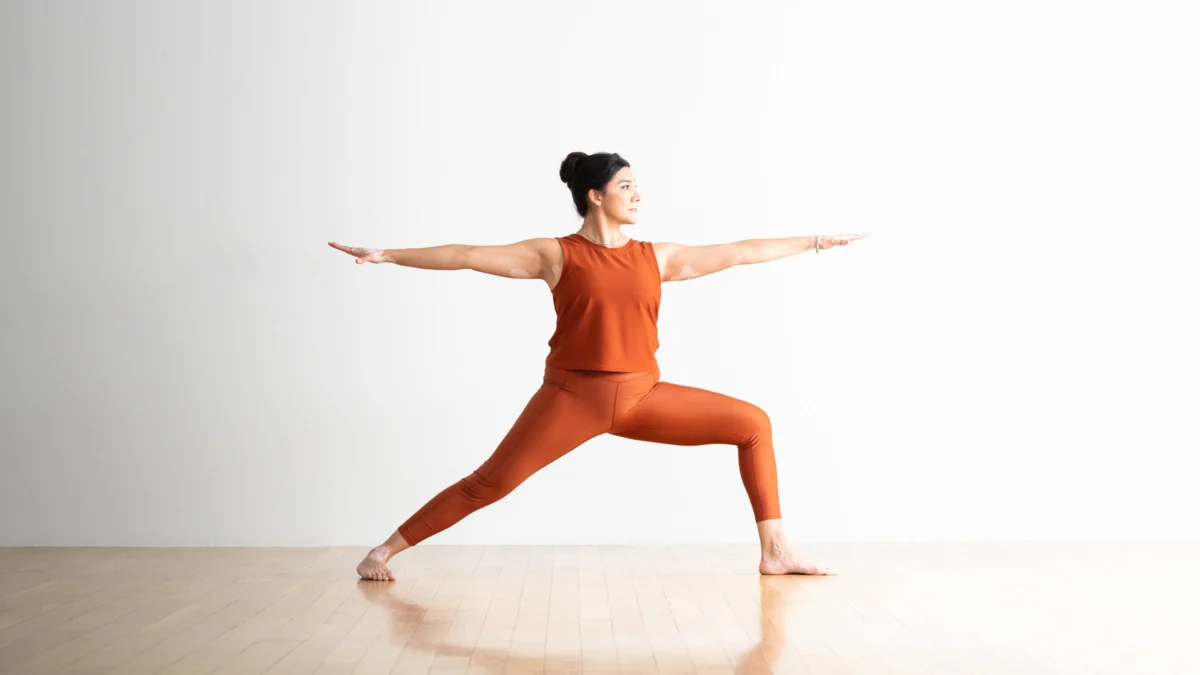
2. Warrior 2 Arm Variation
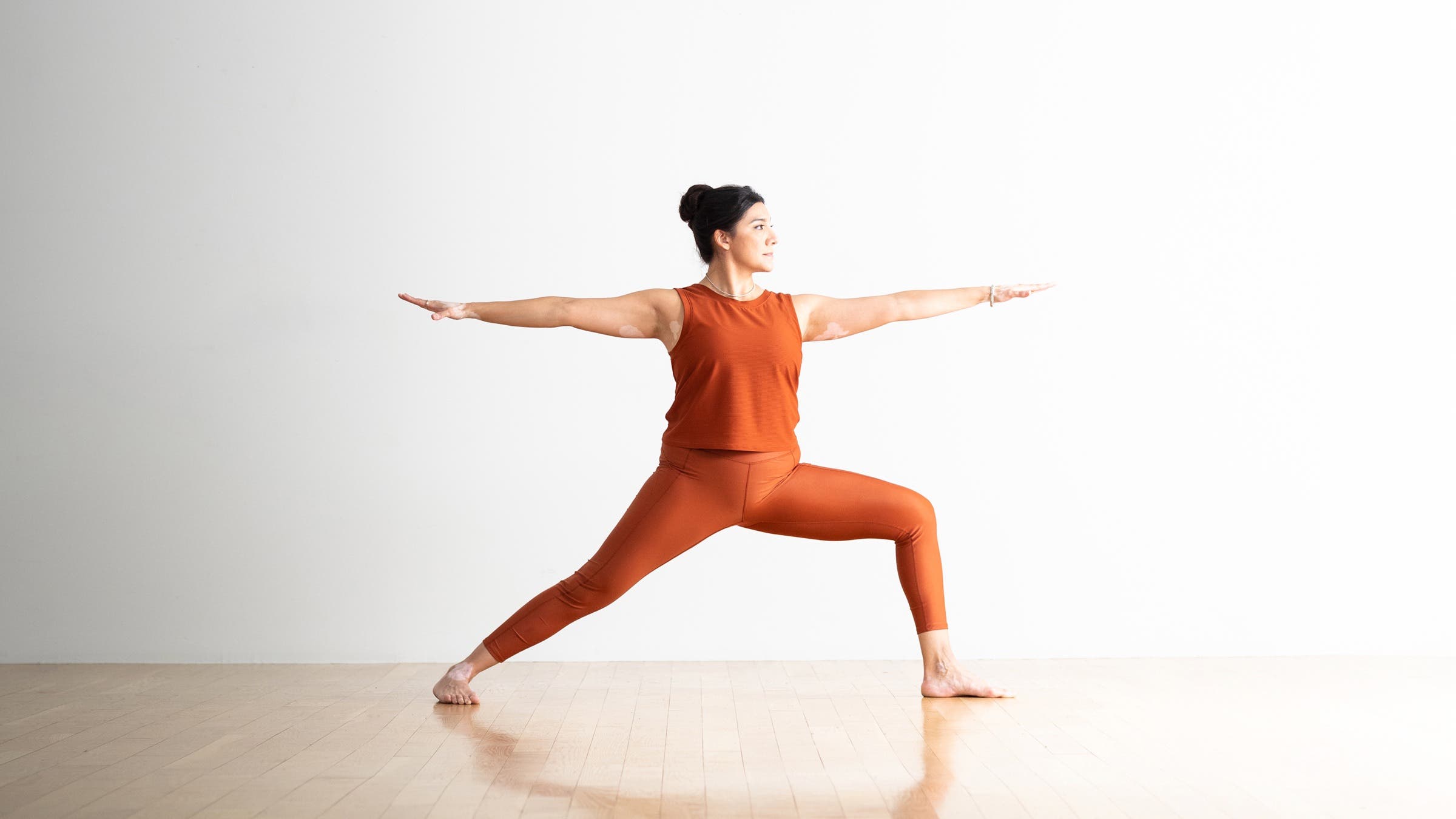
The challenge in Warrior 2 is often to maintain energy in the arms without tensing the trapezius. As you extend into a T-shape, visualize your upper arm bones rolling backward. Slowly rotate your palms toward the floor, keeping the shoulders integrated. You should feel a distinct "awakening" across the back of the shoulder—this is the infraspinatus firing to maintain the position against the weight of your arms.
3. Side Plank (Vasisthasana) Engagement
In Side Plank, the infraspinatus is your best friend. As you transition, focus on the bottom arm. Before lifting your hips, ensure the humeral head is pulled back into its socket. By maintaining this engagement, you transform the pose from a passive collapse into an active, strengthening exercise that stabilizes the entire shoulder girdle.
4. Refining Chaturanga Dandasana
Chaturanga is arguably where the most damage occurs if the infraspinatus is ignored. Before lowering, engage your shoulder blades by rolling the upper arm bones backward. As you lower your body, keep this engagement. You will notice that your chest feels more spacious and your elbows remain tucked in more naturally. This is the difference between "hanging on your joints" and "supporting your weight with muscle."
Conclusion: A Shift Toward Conscious Movement
The infraspinatus may be out of sight, but it should never be out of mind. By shifting our focus from the superficial muscles of the front body to the deep stabilizers of the back, we can evolve our practice into something more durable and intelligent.
As we continue to navigate a world that pulls our posture forward and inward, the yoga mat provides a sanctuary to reverse these effects. Through the simple, subtle, and powerful engagement of the infraspinatus, we gain the ability to stand taller, breathe deeper, and practice longer. It is time to give the hidden architect of our shoulder health the attention it deserves.