











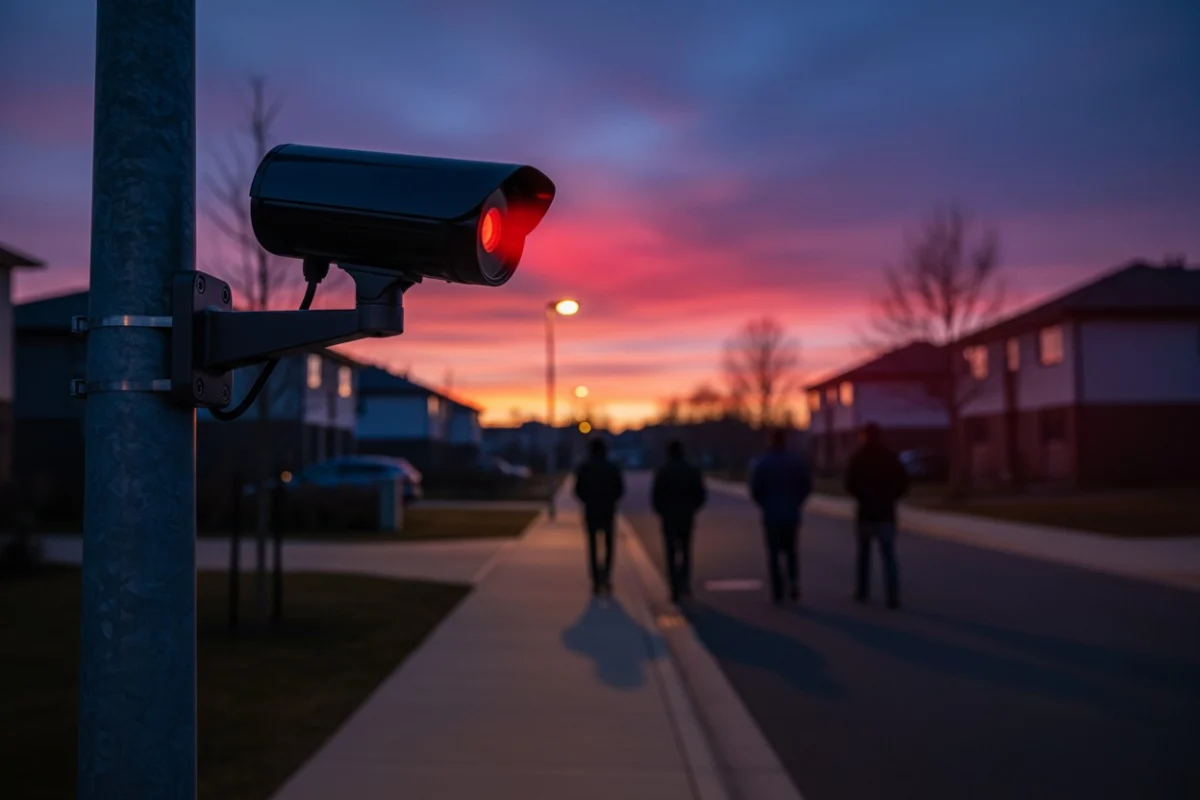
Across the United States, a quiet revolution is taking place on the lampposts and traffic signals of suburban neighborhoods and city centers. More than 80,000 AI-powered cameras, manufactured by the technology firm Flock Safety, now blanket the American landscape. These devices do more than capture video; they function as automated license plate readers (ALPRs), logging the make, model, color, and unique identifying features of virtually every vehicle that passes by. While marketed as a modern panacea for rising crime rates, these cameras have triggered a fierce, cross-partisan backlash, raising fundamental questions about the future of privacy, civil liberties, and the boundaries of the digital surveillance state.
The Denver Catalyst and the Shifting Political Tide
The most significant inflection point in the national debate occurred in June 2025, when the Denver City Council voted unanimously to dismantle the city’s entire network of Flock Safety cameras. The decision was not merely a tactical pivot but a profound ideological statement. City officials cited deep-seated concerns regarding data privacy and the potential for the information gathered by these cameras to be funneled to federal immigration authorities.
The Denver decision acted as a beacon for privacy advocates nationwide. By prioritizing the potential for state-sanctioned overreach over the convenience of law enforcement, the council underscored a growing anxiety: that public safety tools are being repurposed into tools of mass tracking. This sentiment has moved beyond niche civil liberties groups, finding resonance in local government chambers where concerns about "warrantless surveillance" have begun to outweigh the promises of high-tech policing.
A Chronology of Resistance
The tension surrounding Flock Safety has evolved rapidly, moving from academic concern to tangible policy shifts:
- Pre-2025: Flock Safety experiences meteoric growth, successfully partnering with thousands of law enforcement agencies and private homeowner associations, pitching their AI-driven software as a vital "force multiplier" for understaffed police departments.
- June 2025: The Denver City Council’s landmark unanimous vote to remove Flock cameras marks the first major municipal repudiation of the company’s infrastructure, citing privacy risks and potential collaboration with U.S. Immigration and Customs Enforcement (ICE).
- February 2026: In a significant corporate blow, Amazon-owned Ring abruptly cancels its planned integration with Flock Safety. The decision follows intense public outcry, with critics highlighting the dangers of merging private smart-home security networks with a centralized, AI-searchable government database.
- Mid-2026: The pushback intensifies as jurisdictions across the U.S. begin to re-evaluate their contracts. In cities like Cape Coral, Florida, surveillance technology becomes a central issue in local municipal elections, signaling that the debate has moved from the council chambers to the voting booth.
The Mechanics of the Dragnet: Data and "Digital Fingerprints"
At the heart of the controversy is the sheer scale of the data being harvested. Critics argue that Flock Safety is building a "digital dragnet." Unlike traditional CCTV, which typically records video for later review, Flock’s AI-driven system extracts metadata from every frame.
By identifying vehicle characteristics—such as a specific dent, a bumper sticker, or a non-standard roof rack—the system creates a "digital fingerprint" for every motorist. This data is then stored, indexed, and made searchable across the entire network. When a camera in one neighborhood identifies a vehicle, that data can be cross-referenced with cameras hundreds of miles away.
Privacy advocates, including various legal experts, have characterized this as a persistent, warrantless tracking system that effectively erodes the protections traditionally afforded by the Fourth Amendment. The concern is that when the state can track an individual’s movements with near-total accuracy, the constitutional guarantee against unreasonable search and seizure becomes functionally obsolete.
Corporate and Law Enforcement Defense
Despite the growing opposition, Flock Safety and its law enforcement partners maintain that the technology is a vital, non-negotiable tool for modern safety. Proponents argue that the cameras are "highly effective" at combating auto theft and identifying vehicles associated with violent crimes.
In California, Governor Gavin Newsom has been a vocal proponent of the technology. When announcing the installation of 480 Flock cameras in Oakland, Newsom lauded the move as a deployment of "cutting-edge" technology necessary to assist law enforcement in identifying criminal actors through real-time alerts. From this perspective, the privacy trade-off is a rational exchange for a safer society.
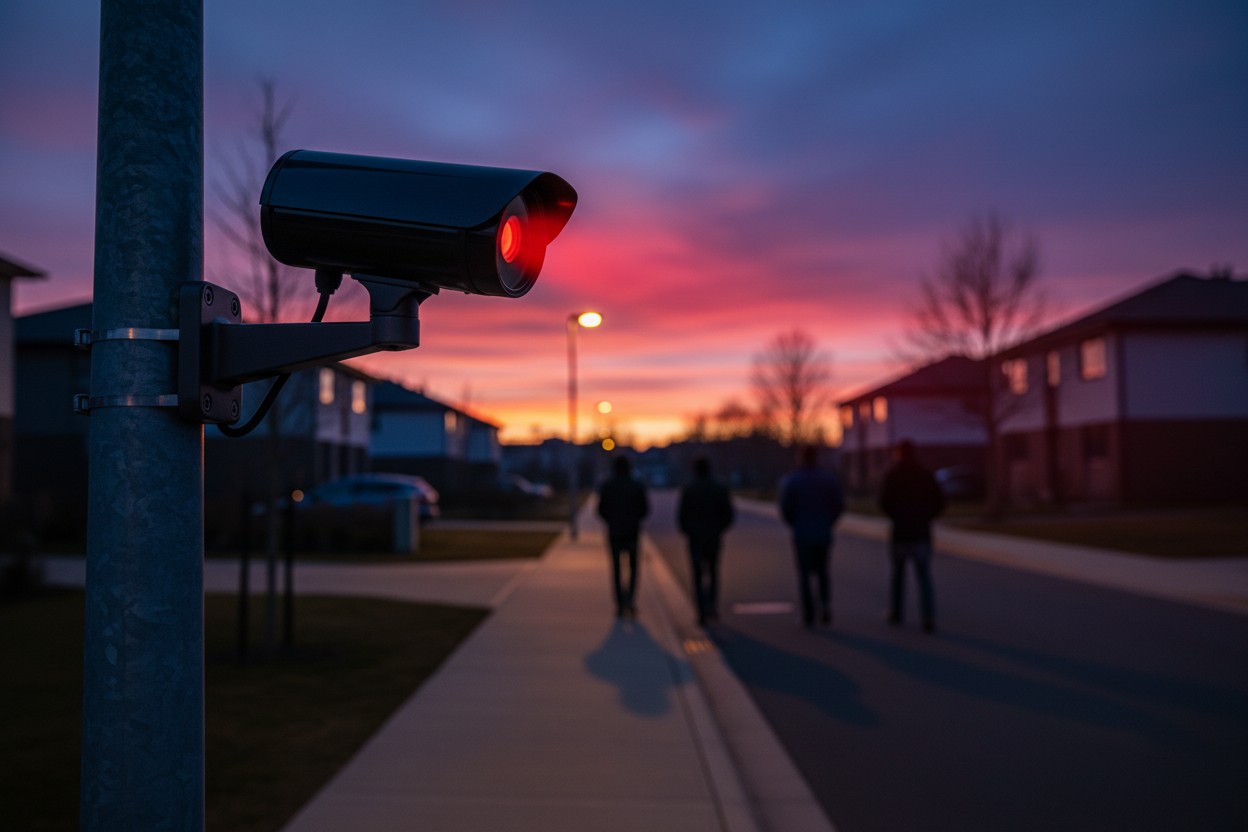
Law enforcement agencies further argue that the data is only used for legitimate investigations and that strict policies govern who can access the information. However, critics point to the lack of federal oversight as a major flaw, noting that without uniform national standards, the use of these systems remains subject to the discretion of individual jurisdictions, leading to a patchwork of privacy protections—or the lack thereof.
The Broader Surveillance Landscape: From Streetlights to Control
The expansion of these camera networks is not occurring in isolation. The integration of Flock cameras into "smart" streetlights via partnerships with companies like Ubicquia has enabled the deployment of surveillance hardware in residential areas with minimal public notice or consultation. This "hidden in plain sight" approach has fueled suspicions that the infrastructure is being designed for ubiquity rather than targeted, high-crime area monitoring.
Some commentators have suggested that the current surveillance trajectory is part of a larger trend toward a "technocratic state." In various public forums and podcasts, critics like Aaron Day have warned that when centralized surveillance becomes the backbone of civic infrastructure, it creates the potential for the control of essential services. The argument follows that if a system can track your movements, it could eventually be integrated with financial or healthcare systems to restrict access for those who do not comply with government mandates or political norms.
Historical Precedent and Future Implications
The current anxiety surrounding Flock Safety is not without historical context. Opponents often draw parallels to past government abuses of surveillance power. For instance, the case documented in Linda Faillace’s Mad Sheep, which detailed the aggressive and arguably unconstitutional use of federal surveillance against a family farm, serves as a cautionary tale of how government powers can be stretched far beyond their original, stated intentions.
While not directly related to AI cameras, the Mad Sheep narrative highlights the deep-seated American distrust of centralized monitoring. It is a sentiment that transcends traditional political divides. As the book RetroSuburbia by David Holmgren suggests, many Americans are beginning to look toward decentralized, community-driven safety models—neighborly engagement and self-reliance—as a preferred alternative to the digital surveillance state.
Conclusion: The Looming Choice
The national conversation surrounding Flock Safety is, at its core, a debate about the kind of society Americans wish to inhabit. The tensions between public safety and individual liberty are perhaps more acute now than at any time since the post-Snowden revelations of mass domestic surveillance.
As Technocracy News recently noted, the state-corporate dragnet is, by many metrics, more invasive today than it was a decade ago. The proliferation of AI-powered license plate readers represents the next stage of this expansion. Whether the trend continues to accelerate or hits a legislative wall will depend on the outcomes of local battles currently playing out in city halls across the nation.
If the Denver model of rejection gains momentum, the future of urban surveillance may be curtailed by a grassroots refusal to live under constant observation. Conversely, if proponents succeed in cementing these systems as essential "infrastructure," the digital fingerprinting of the American public may soon become a permanent, invisible, and inescapable feature of daily life. The outcome of these local debates will likely determine the legal and ethical landscape of American privacy for the next generation.