










By Jana Wu, LCSW, LADC, ICAADC, CASAC
In my fifteen years working within the trenches of mental health and substance use treatment, I have observed a recurring, haunting pattern. As I approach my 50th birthday, this professional observation has evolved into a deeply personal inquiry: Why is our medical and societal impulse to silence women’s distress so much stronger than our desire to understand its root causes?
This question has found a new, urgent focus in the rising prevalence of kratom—a botanical substance that many women in midlife are turning to in a desperate attempt to bridge the gap between their mounting responsibilities and their fraying psychological health.
The Modern Landscape of Female Anxiety
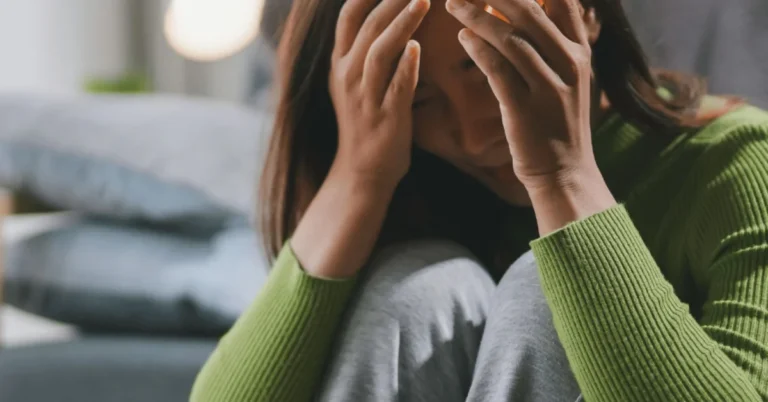
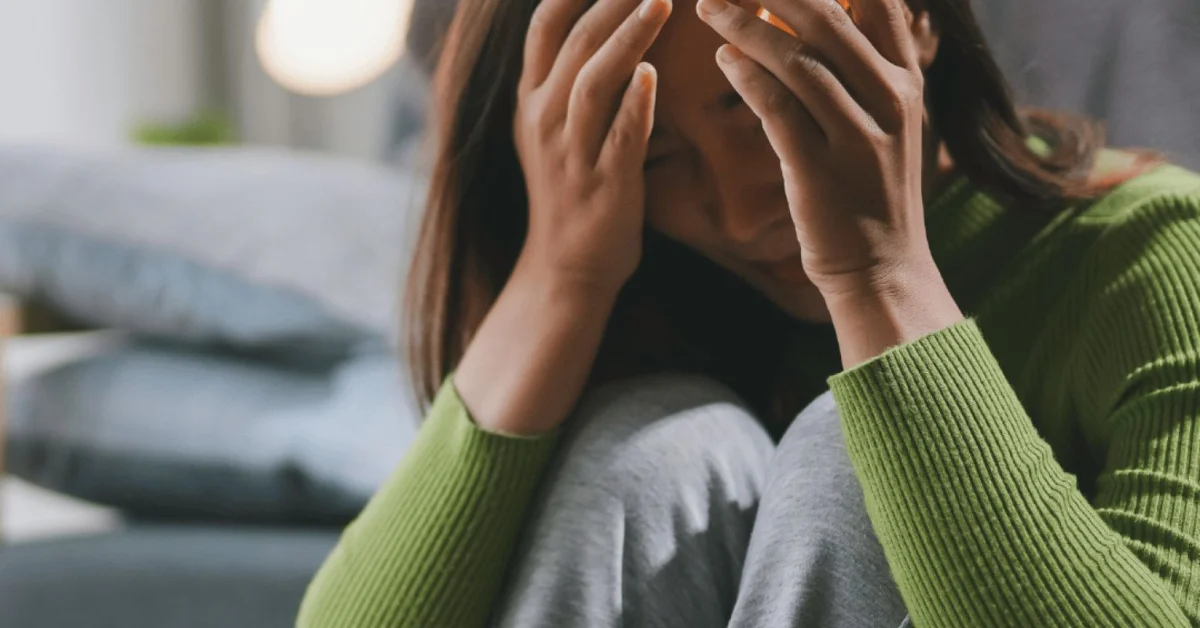
I have encountered an increasing number of women, ranging from their late 30s to their 60s, who have stumbled upon kratom while navigating the turbulent waters of perimenopause, professional burnout, and familial caregiving. These are not individuals seeking a "high"; they are seeking a functional equilibrium.
They describe kratom not merely as a mood enhancer, but as a survival tool. It is often utilized to manage the crushing exhaustion that accompanies the "sandwich generation" experience—caring for aging parents while raising children and maintaining a career. For these women, kratom promises a way to keep showing up, working, exercising, and meeting the relentless demands of a life stretched to its absolute limit. Yet, when we examine these stories, we see a disturbing continuity with the history of medicine’s interaction with women’s mental health.
A Chronology of Suppression: From Hysteria to Benzodiazepines
The medical community’s tendency to treat symptoms rather than the underlying human experience is not a modern phenomenon. To understand the current landscape of kratom use, we must look at the historical trajectory of how we have medicated women’s discomfort.
- The 19th Century (The Age of Hysteria): Physicians frequently diagnosed women with "hysteria" or "neurasthenia" to categorize a broad spectrum of symptoms, including insomnia, irritability, fatigue, and physical pain. These diagnoses were catch-alls that effectively pathologized the female experience without addressing the societal pressures that may have contributed to such states.
- The Mid-20th Century (The Era of Tranquilizers): As science advanced, so did the pharmacology of suppression. The introduction of tranquilizers like Miltown in the 1950s paved the way for the pharmaceutical revolution in psychiatry.
- 1963 (The Valium Era): The launch of Valium marked a watershed moment. For years, it reigned as the most prescribed medication in the United States. Its cultural footprint was undeniable; by 1966, the Rolling Stones captured this societal zeitgeist in their hit "Mother’s Little Helper," which depicted the suburban struggle of the modern woman relying on prescription pills to navigate the demands of domestic life.
Nearly 60 years later, the medications have shifted from Valium to newer synthetic substances, but the fundamental issue remains: What happens when the distress persists, even after the initial pill is prescribed?
Supporting Data: The Risks of Unregulated "Natural" Remedies
While I do not argue that benzodiazepines directly cause kratom use, the pathways are deeply intertwined. For many, kratom represents a rejection of the pharmaceutical system. It is viewed as "natural" and "traditional," offering an illusion of control. However, we must be clear: "natural" is not synonymous with "safe" or "predictable."
The Regulatory Void
Unlike FDA-approved medications, kratom products in the United States exist in a regulatory gray zone. Potency varies wildly between products, and the lack of standardization means that a user often has no way of knowing the concentration of active alkaloids they are consuming.
Poly-Substance Risks
One of the most alarming trends I see in my practice is the combination of kratom with other substances. Patients frequently use kratom in conjunction with alcohol, prescribed benzodiazepines, or opioids. This creates a cocktail of sedating effects that can lead to dangerous interactions, including:
- Respiratory Depression: The synergistic effect of combining central nervous system depressants.
- Excessive Sedation: Impairing the ability to operate vehicles or maintain professional responsibilities.
- Increased Dependency: A higher risk of developing a physical dependence that exacerbates the very anxiety the user was trying to treat.
Official Responses and Clinical Implications
The medical community’s response to the kratom phenomenon remains cautious and, at times, fractured. The FDA has consistently warned against the use of kratom, citing the potential for addiction, abuse, and dependence. However, these warnings often fail to reach the specific demographic of midlife women who view kratom as a dietary supplement rather than a potent psychoactive substance.
Whose Discomfort Are We Treating?
The most critical question for clinicians is one of ethics: Whose discomfort are we actually treating? When a woman presents with anxiety, are we treating her distress, or are we treating the discomfort of a society that expects her to be perpetually functional, calm, and productive?
If a provider simply hands a patient a prescription to "quiet" the symptoms, they are reinforcing the same cycle that led women to rely on "Mother’s Little Helper" in the 1960s. We are effectively masking the symptoms of a life that may be unsustainable, rather than helping the patient analyze the environmental, hormonal, or systemic stressors causing the anxiety.
Addressing the Root, Not Just the Symptom
To provide true care, we must move beyond the "quick fix" model. This requires a paradigm shift in how we approach women’s health:
- Clinical Curiosity: When a woman reports sudden insomnia or new-onset panic, the first step should be a thorough investigation of her biological and situational reality. Is it perimenopause? Is it an overwhelming caregiving burden? Is it a lack of social support?
- Harm Reduction and Education: We must have honest conversations about the risks of kratom. We need to bridge the gap between the stigma of substance use and the reality of why women turn to these substances.
- Holistic Treatment Plans: Relief is not a treatment plan; it is a temporary intervention. Long-term health requires a comprehensive approach that includes psychological support, lifestyle adjustments, and, where appropriate, regulated medical intervention that does not rely on long-term dependence.
Conclusion: A Call for Change
The story of the woman seeking relief through kratom is a modern echo of a centuries-old story. It is a story of women who are asked to do too much, and who are offered too little in the way of systemic support.
As clinicians, we must listen more closely to the narratives behind the substance use. We must stop asking "How can we make this symptom go away?" and start asking "What is this symptom trying to tell us about this woman’s life?" Until we are willing to treat the whole person rather than just the anxiety, we will continue to watch women cycle from one form of relief to the next, leaving the root of their distress unaddressed.
The goal should not be to simply return a woman to her "functional" state so that she may return to her overwhelming obligations. The goal should be to honor her distress, understand its origins, and help her build a life that does not require an external substance to remain bearable.
About the Author
Jana Wu, LCSW, LADC, ICAADC, CASAC, is a clinician at Mountainside Treatment Center, specializing in PTSD, anxiety, depression, and co-occurring disorders. A nationally recognized expert on kratom, she founded the country’s first clinician-led kratom support group. Her expertise has been featured in The Wall Street Journal, Rolling Stone, and on NBC News. She was a founder of the Addictions Committee of the Connecticut chapter of the National Association of Social Workers.