By Editorial Staff, with insights from Jana Wu, LCSW, LADC, ICAADC, CASAC
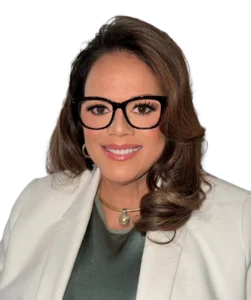
For over 15 years, Jana Wu has occupied the front lines of mental health and substance use treatment. As she approaches her 50th year, she has found herself wrestling with a systemic inquiry that is as personal as it is professional: Why is the modern healthcare apparatus so perpetually eager to extinguish women’s distress before it has been properly understood?
This question has found a new, urgent epicenter in the rise of kratom—a tropical tree leaf from Southeast Asia that has infiltrated the American wellness market. As women navigate the tumultuous transition of midlife, many are stumbling upon kratom not as a recreational high, but as a desperate bid for functionality. The phenomenon forces a confrontation with a historical pattern: the tendency to treat women’s complex, life-based stressors as biological anomalies to be suppressed rather than experiences to be addressed.
The Chronology of Compliance: From Hysteria to Benzodiazepines
To understand the current surge in kratom use, one must look at the long, checkered history of how Western medicine has approached female anxiety. The medical response to women’s psychological discomfort did not emerge in a vacuum; it is a lineage of diagnostic labels designed to categorize and silence.
In the 19th century, physicians frequently diagnosed women with "hysteria" or "neurasthenia." These catch-all terms were used to pathologize symptoms of fatigue, irritability, insomnia, and physical pain—symptoms that often mirrored the domestic exhaustion of the era. By the mid-20th century, the medical industry moved from vague diagnosis to pharmacological intervention. Sedatives and tranquilizers became the new standard for managing the "unruly" female nervous system.
The 1963 introduction of Valium (diazepam) marked a cultural turning point. It became the most prescribed medication in America, a chemical solution to the societal pressures placed on women. By 1966, the Rolling Stones’ iconic track "Mother’s Little Helper" captured the zeitgeist perfectly: a woman managing the grueling demands of family, aging, and domestic labor through the steady consumption of prescribed tranquilizers.
Nearly 60 years later, the socioeconomic backdrop has shifted, but the fundamental dynamic remains unchanged. Today’s women are arguably more stretched than ever, juggling high-pressure careers, the "sandwich generation" demands of raising children while caring for aging parents, and the biological shifts of perimenopause. When the pharmaceutical industry—or the unregulated supplement market—offers a quick fix for this systemic burnout, the appeal is not just medical; it is survival.
Supporting Data: The Midlife Pressure Cooker
The intersection of midlife and mental health is a critical vulnerability point. Perimenopause, which can last for a decade, introduces a cascade of hormonal shifts that often manifest as acute anxiety, sleep fragmentation, and mood instability. When these biological factors collide with the external pressures of modern life, the resulting distress is often profound.
Clinicians are seeing a surge in women—ranging from their late 30s to their 60s—who report using kratom to manage this exact confluence of symptoms. Unlike traditional stimulants or illicit substances, these women often describe kratom as a "productivity tool." They report that it helps them maintain their energy levels, focus at work, and manage the physical demands of caregiving.
However, the lack of clinical data on kratom is a major point of concern. Because it is not FDA-approved, the substances found in health food stores and online shops are largely unregulated. The potency varies wildly, and because the product is marketed as "natural," many users fall into the trap of assuming it is inherently safe. This belief ignores the fundamental pharmacological reality: a substance capable of altering mood, energy, and pain perception is, by definition, an active drug with potential for dependency and withdrawal.
The Intersection of Substances: A Silent Risk
One of the most alarming aspects of the current trend is poly-substance use. In clinical settings, experts like Wu are increasingly encountering patients who do not use kratom in isolation. Instead, it is often layered over existing regimens: alcohol to "come down" at night, prescription benzodiazepines to manage daily stress, or opioids for chronic pain.
This cocktail approach creates a dangerous pharmacological landscape. When a user combines kratom—which acts on opioid receptors—with central nervous system depressants like alcohol or benzodiazepines, the risk of respiratory depression and excessive sedation increases exponentially. These are not merely "side effects"; they are life-threatening interactions that are frequently overlooked in the rush to find immediate relief from chronic distress.
The "Natural" Fallacy: Regulatory and Clinical Implications
The regulatory void surrounding kratom presents a significant challenge to public health. While prescription medications undergo rigorous testing for safety, efficacy, and side-effect profiles, the kratom industry operates with minimal oversight. For the consumer, this creates an environment where they are essentially self-medicating with an unpredictable substance.
From a clinical perspective, the reliance on kratom often represents a "third chapter" in the history of female distress management:
- The 19th Century: Pathologizing as hysteria.
- The 20th Century: The era of "Mother’s Little Helper" (benzodiazepines).
- The 21st Century: The "natural" alternative (kratom/unregulated supplements).
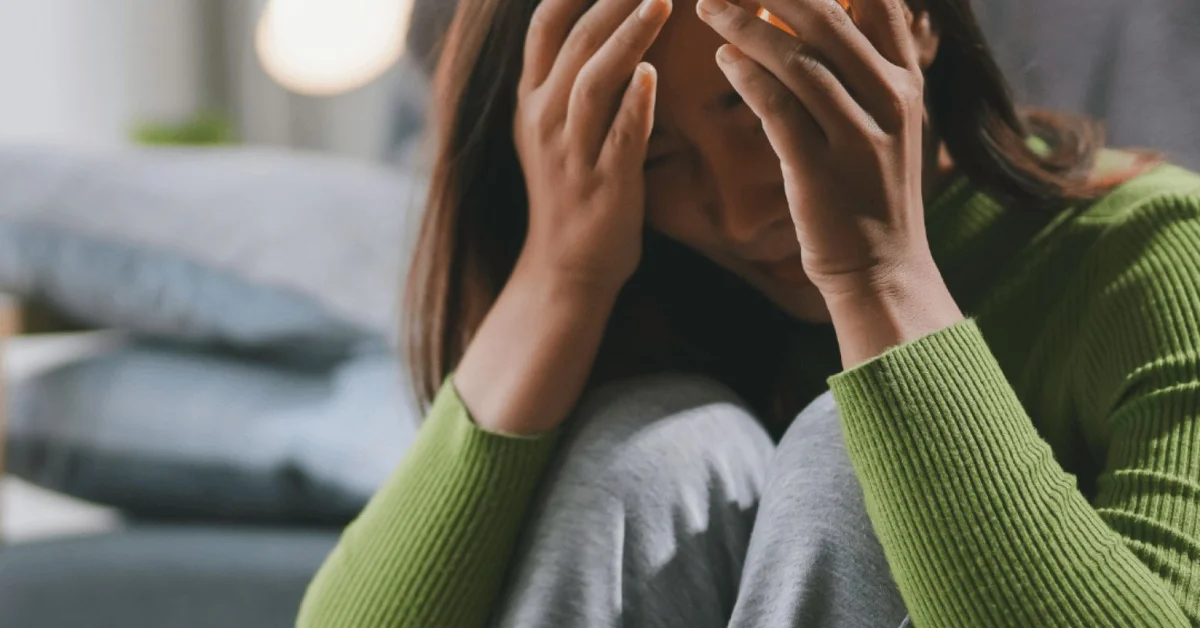
In each era, the underlying issue—the immense, often unsustainable pressure on women to perform—is ignored in favor of treating the symptom. When a woman reports that she no longer feels "at home in her own body," the healthcare system’s instinct is to offer a pill or a powder to silence that internal alarm.
Whose Discomfort Are We Treating?
The most difficult question for modern providers is perhaps the most necessary: Whose discomfort are we treating?
When a physician writes a prescription to quiet a woman’s anxiety, are they treating the patient’s pathology, or are they treating the discomfort of a society that finds an anxious, tired, or unhappy woman inconvenient?
True clinical care requires a shift in perspective. It requires the patience to untangle the web of hormonal, situational, and psychological factors before reaching for a chemical solution. If we continue to treat every manifestation of female distress as a symptom to be erased, we miss the opportunity to address the systemic conditions that cause that distress in the first place.
As research into kratom and kratom use disorder continues to evolve, the medical community must listen more closely to the stories of the women using it. These stories are rarely about a desire to abuse substances; they are stories of women who were overwhelmed, who sought help, and who were met with a system that offered them a quick fix instead of a sustainable path to health.
Conclusion: Beyond the Cycle of Relief
We must move toward a model of care that offers women more than a binary choice between suffering in silence or relying on a cycle of substance use. This requires:
- Comprehensive Screening: Providers must specifically ask about the use of unregulated supplements like kratom, which many patients do not disclose because they do not view them as "drugs."
- Integrated Care: Treatment plans must account for the hormonal realities of midlife, including the impacts of perimenopause on mental health.
- Systemic Awareness: Clinicians must be willing to discuss the societal and environmental stressors that contribute to a woman’s desire to "stay functional" at any cost.
Ultimately, the goal of medicine should be to foster resilience and understanding, not just to facilitate performance. Until we shift the focus from merely relieving distress to truly understanding its source, women will continue to search for their own solutions—often at great personal risk. The task for the next decade of mental health care is to ensure that when women reach out for help, they are met with empathy, curiosity, and evidence-based solutions that do not simply mask the struggle, but help them navigate it.