For the millions of Americans navigating the complexities of eldercare, the journey is frequently described as a marathon rather than a sprint. Yet, unlike a standard race, this one rarely offers a finish line. During September’s Self-Care Awareness Month, the conversation surrounding family caregiving has shifted from mere endurance to the vital necessity of “strategic rest.”
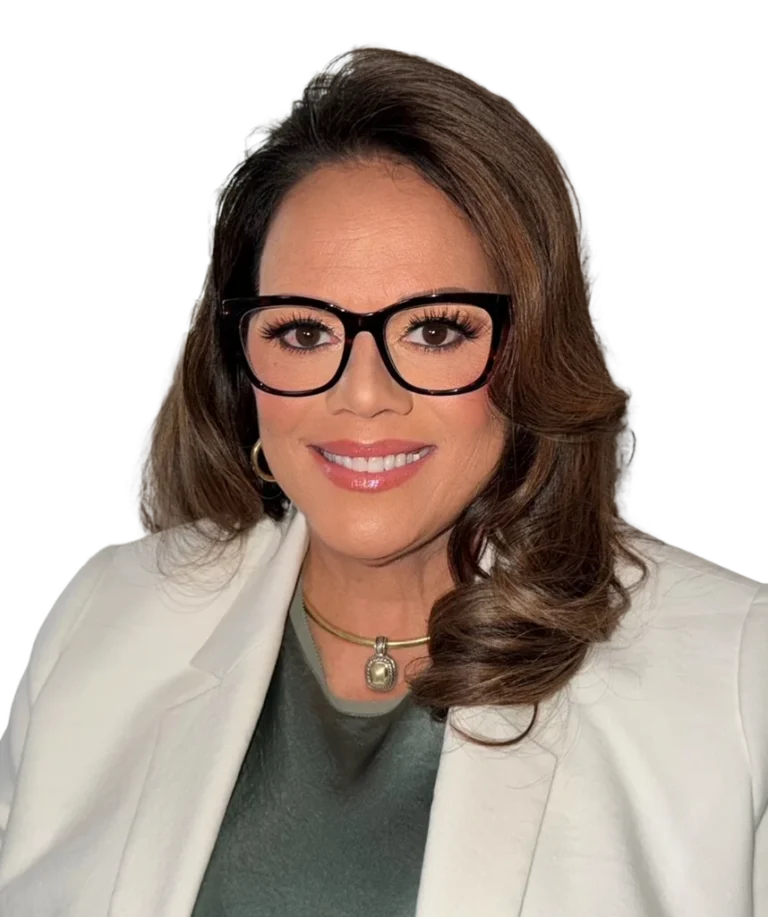
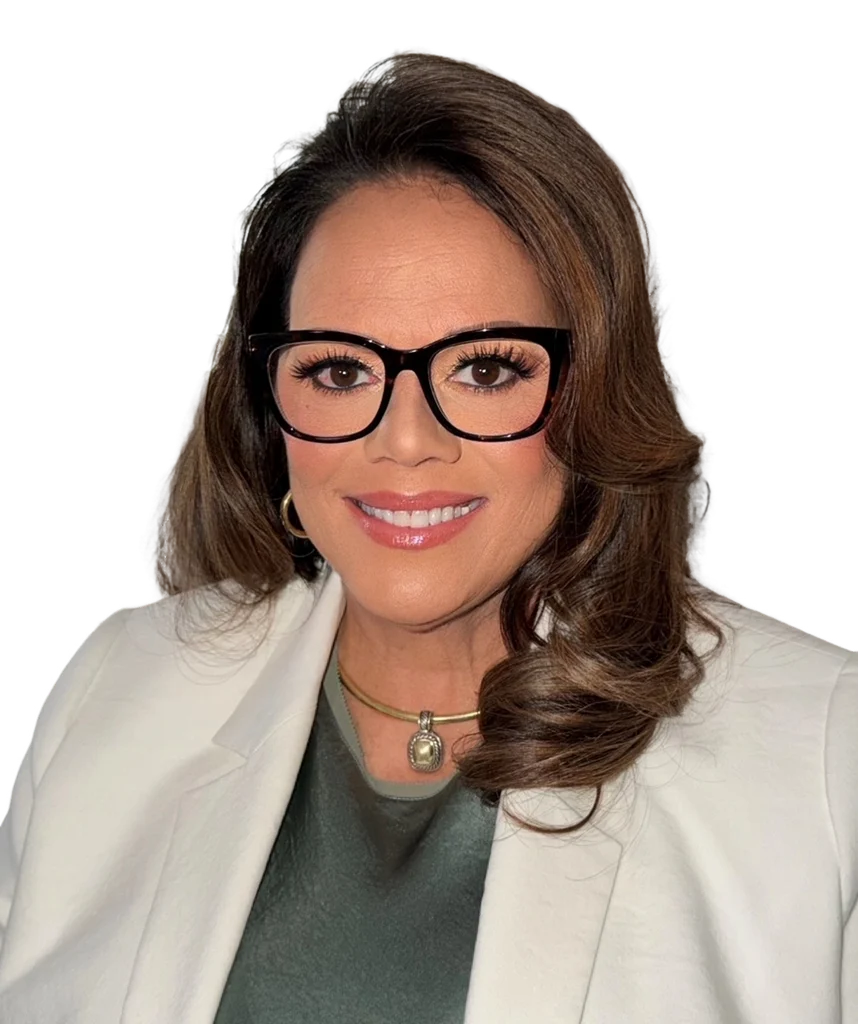
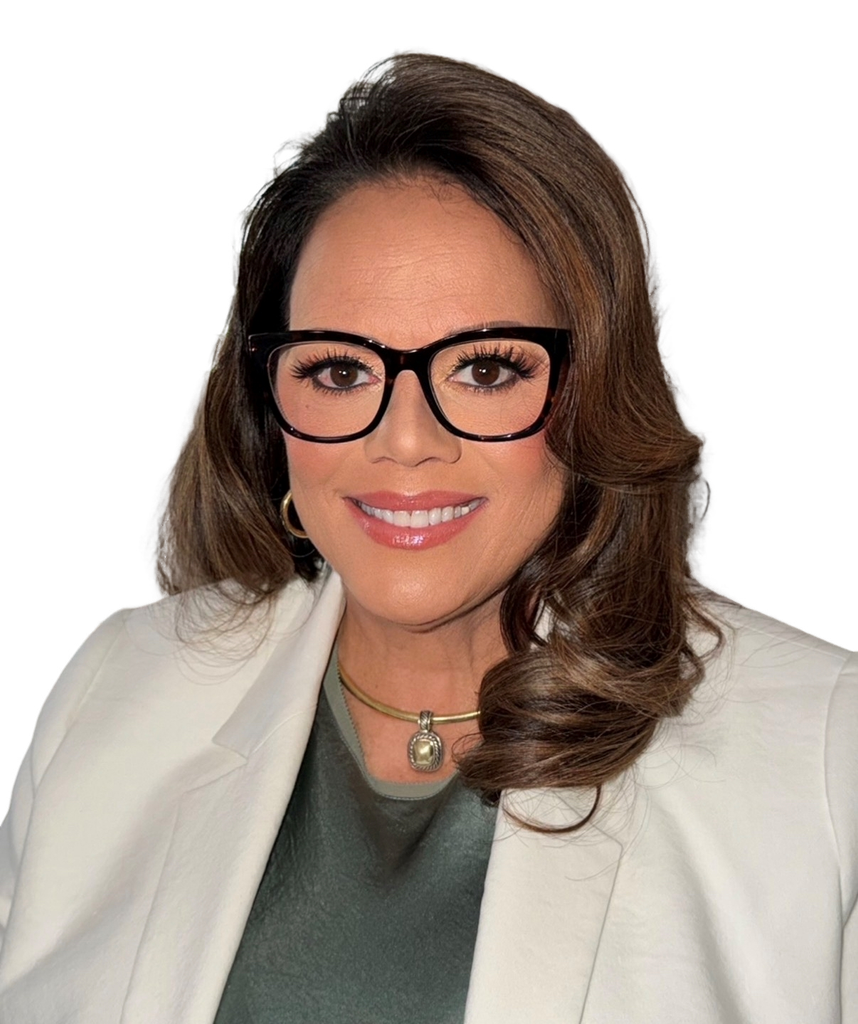
In the latest episode of the Caregiving Club On Air podcast (Season 6, Episode 74), host Sherri Snelling—a nationally recognized corporate gerontologist and author—sits down with Laura Williams, the founder and CEO of Respitely. Together, they dissect the “chaos of caregiving” and introduce a transformative model for support that leverages the power of community to provide the rest that every caregiver desperately needs.
The Reality of the Caregiving Marathon
Caregiving is often an isolating experience. As family members take on the roles of nurse, scheduler, financial manager, and emotional anchor, their own health often falls to the bottom of their priority list. The physiological and psychological toll of long-term caregiving is well-documented, leading to higher rates of depression, anxiety, and chronic illness among those providing care.
Sherri Snelling emphasizes that “in order to continue in the race, you have to take the breaks—both physically and mentally—that let you take a breath.” Without these periodic intervals of respite, the sustainability of the caregiving model fails, leading to burnout that affects not only the caregiver but the recipient as well.
Chronology of a New Concept: How Respitely Emerged
The birth of Respitely was not born out of a clinical study, but out of lived experience. Laura Williams, a working mother who balanced her career with the demands of being a long-distance caregiver for her mother, found herself squarely in the “Sandwich Generation”—that challenging demographic caught between raising children and managing the care of aging parents.
Williams realized that while there was an abundance of services for ordering food or household goods, there was a glaring gap in the market for ordering “time.” She envisioned a platform that functioned much like modern gig-economy delivery services—but instead of delivering a meal, the platform delivers the gift of time off.
“Respitely is about changing the narrative of caregiving support,” Williams explains. “We often ask, ‘How can I help?’ and the answer is usually ‘I’m fine.’ Respitely removes the burden from the caregiver. It is not something you order for yourself; it is a gift from those who care about you.”
Supporting Data: Why Respite is a Public Health Priority
The urgency for respite care is backed by sobering statistics. According to the AARP and the National Alliance for Caregiving, there are approximately 53 million family caregivers in the United States. Many of these individuals are providing high-intensity care—managing complex medical needs and dementia—without formal training or consistent support.
The economic implications are equally stark. When caregivers burn out, they often exit the workforce or require their own medical intervention, costing the U.S. economy billions in lost productivity and healthcare expenditures. The “Caregiving Club” platform notes that even brief, consistent intervals of respite—just a few hours a week—can significantly reduce the cortisol levels of the primary caregiver, improving long-term health outcomes and the quality of care provided to the senior.
Official Perspectives and Expert Strategies
During the episode, Snelling and Williams discuss the mechanics of “CareGifting.” Much like a crowdsourced fundraising campaign, Respitely allows family members, friends, and colleagues to pool resources to fund professional respite care. This removes the financial barrier that often prevents families from hiring external help.
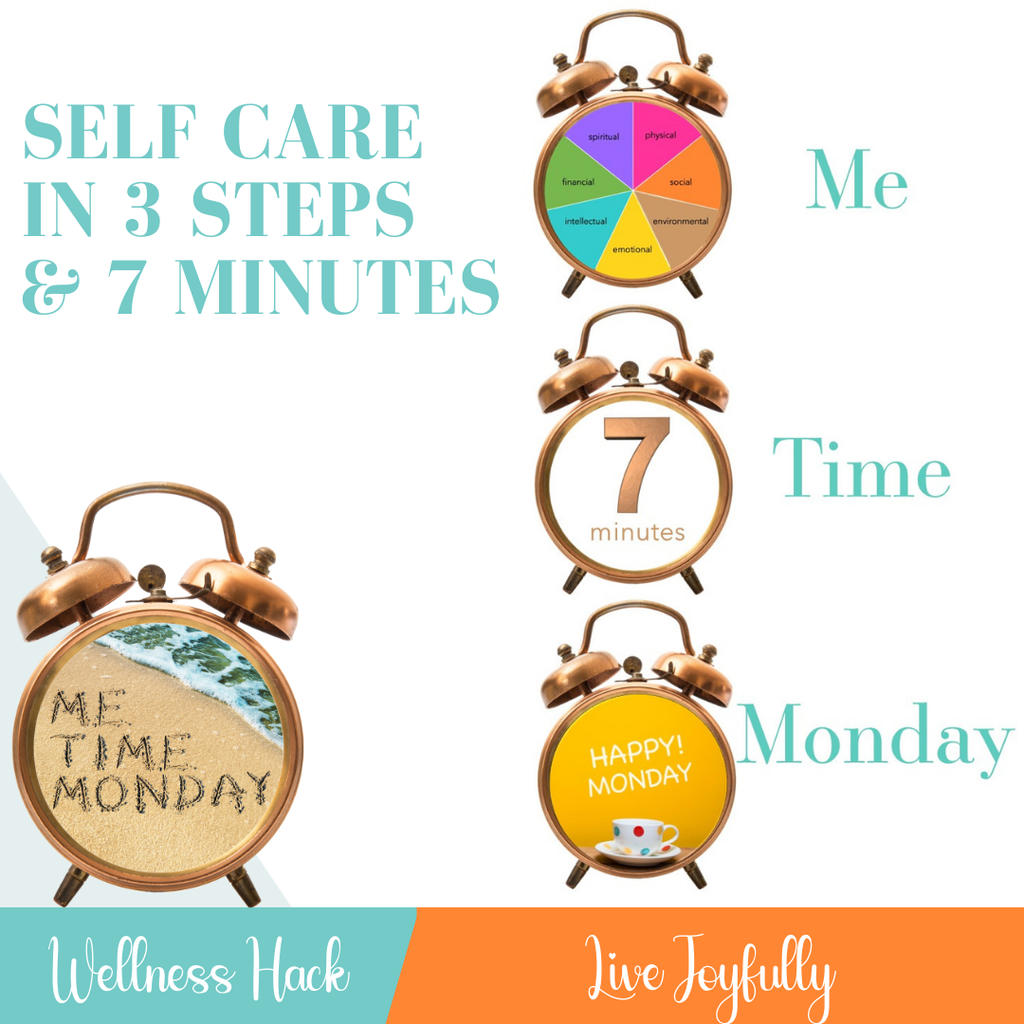
The conversation also highlights the importance of the Caregiving Club’s "Me Time Monday" initiative. This program, which includes a series of seven-minute wellness videos, aims to help caregivers reclaim their identity outside of their caregiving duties.
Key Takeaways for Caregivers
- Normalize the Break: Respite is not a luxury; it is a clinical necessity for the health of the caregiver.
- The Power of the Network: Family and friends often want to help but don’t know how. Platforms like Respitely provide a tangible, meaningful way for them to contribute.
- The 7-Minute Reset: Small, consistent self-care habits—like those taught in the Me Time Monday series—can act as a buffer against daily stressors.
- Utilize Existing Infrastructure: From the ARCH National Respite Care Network to the VA’s comprehensive caregiver support programs, there are institutional resources available that many families fail to tap into.
Implications for the Workplace and Future Care
The Caregiving Club has recently seen its podcast reach the #3 spot among top caregiving podcasts globally, a testament to the growing demand for actionable advice. As more employees grapple with the responsibilities of the “Gen C” (Caregiving) continuum, corporations are beginning to realize that supporting caregivers is a matter of talent retention.

In her recent articles, Snelling has advocated for a cultural shift in the workplace. “One size does not fit all,” she notes. Companies that provide training for managers to recognize the signs of caregiver burnout—and offer benefits that include access to respite care—see significantly higher retention rates and employee satisfaction.
The move of the Caregiving Club News to a dedicated YouTube channel signifies a broader effort to make this information accessible, digestible, and free. By moving away from dense, inaccessible reports toward video-based, community-driven content, the organization is democratizing access to caregiving expertise.
A Resource Guide for Immediate Action
For those currently feeling the weight of the marathon, the following resources serve as a critical toolkit:
- Respitely: The premier platform for "CareGifting" and facilitating community-funded respite.
- ARCH National Respite Care Network: The definitive source for locating agencies and services nationwide.
- The VA Caregiver Support Program: Offers up to 30 days of free respite care annually for eligible veterans’ caregivers.
- Hilarity for Charity: Provides “Care Grants” to help those caring for individuals with Alzheimer’s or dementia.
- Elder Care Locator (1-800-677-1116): A government-funded service that connects families with local Area Agencies on Aging.
- CaringBridge: A digital space to organize volunteer help and keep a support network updated.
Conclusion: Redefining the Caregiving Journey
The conversation between Sherri Snelling and Laura Williams underscores a vital truth: you cannot pour from an empty cup. As we recognize September as Self-Care Awareness Month, the focus must shift from "surviving" the caregiving experience to "sustaining" it.

Through the integration of innovative platforms like Respitely and the consistent application of small, intentional self-care routines, the caregiving community can begin to move from a state of reactive chaos to one of proactive, supported balance. The marathon is long, but with the right community support and a commitment to periodic rest, the finish line—and the journey itself—becomes a much more manageable and rewarding experience.
For those looking to deepen their knowledge, the Caregiving Club continues to provide expert-led, compassionate resources that empower families to navigate the complexities of aging with grace and strength. By subscribing to their YouTube channel and utilizing their curated resources, caregivers can ensure they are never running this race alone.