In the quiet landscape of human physiology, few conditions are as pervasive—yet as frequently overlooked—as osteopenia. A condition characterized by the loss of bone mineral density, osteopenia acts as a precursor to the more severe osteoporosis. With approximately 40% of the global adult population affected, this "silent thief" of skeletal integrity represents a looming public health crisis that remains largely under-recognized until the moment of physical trauma.
Main Facts: What is Osteopenia?
Osteopenia is defined by a reduction in bone mineral density that is lower than the standard for a healthy young adult but not yet severe enough to be classified as osteoporosis. Essentially, it is a state of "low bone mass."
Because the condition is asymptomatic, it develops silently over years, often going undetected until an individual experiences a fragility fracture—a break resulting from low-energy trauma, such as a fall from standing height. In the United Kingdom alone, the clinical burden is staggering, with over 500,000 fractures occurring annually due to diminished bone density.
The core of the issue lies in the biological process of bone remodeling. Bone is not a static structure; it is a dynamic, living tissue that constantly undergoes a cycle of resorption (the breakdown of old bone) and formation (the creation of new bone). In early adulthood, these processes are finely balanced. However, after peak bone mass is achieved—typically between the mid-20s and early 30s—the balance begins to tip in favor of resorption. When the rate of loss exceeds the rate of formation, bone density begins a slow, often invisible decline.
The Chronology of Bone Loss: From Peak to Vulnerability
To understand osteopenia, one must view it as a chronological progression linked to the human lifespan.
The Peak Years (Age 20–35)
During the third decade of life, the human skeleton reaches its maximum strength and density. This "peak bone mass" is the bank account from which an individual will draw for the rest of their life. Factors established during this period—such as nutritional intake, weight-bearing exercise, and hormonal health—dictate the "reserve" of bone strength available for the decades to follow.
The Mid-Life Shift (Age 40–60)
As the body enters the middle years, hormonal fluctuations begin to play a decisive role. For women, the onset of menopause triggers a rapid decline in estrogen. Estrogen serves as a protective guardian for the skeleton, inhibiting the cells that break down bone. When these levels drop, the rate of bone resorption accelerates significantly. It is estimated that one in two women over the age of 50 will experience a fragility fracture in their lifetime, largely due to this accelerated loss.
The Senior Years (Age 65+)
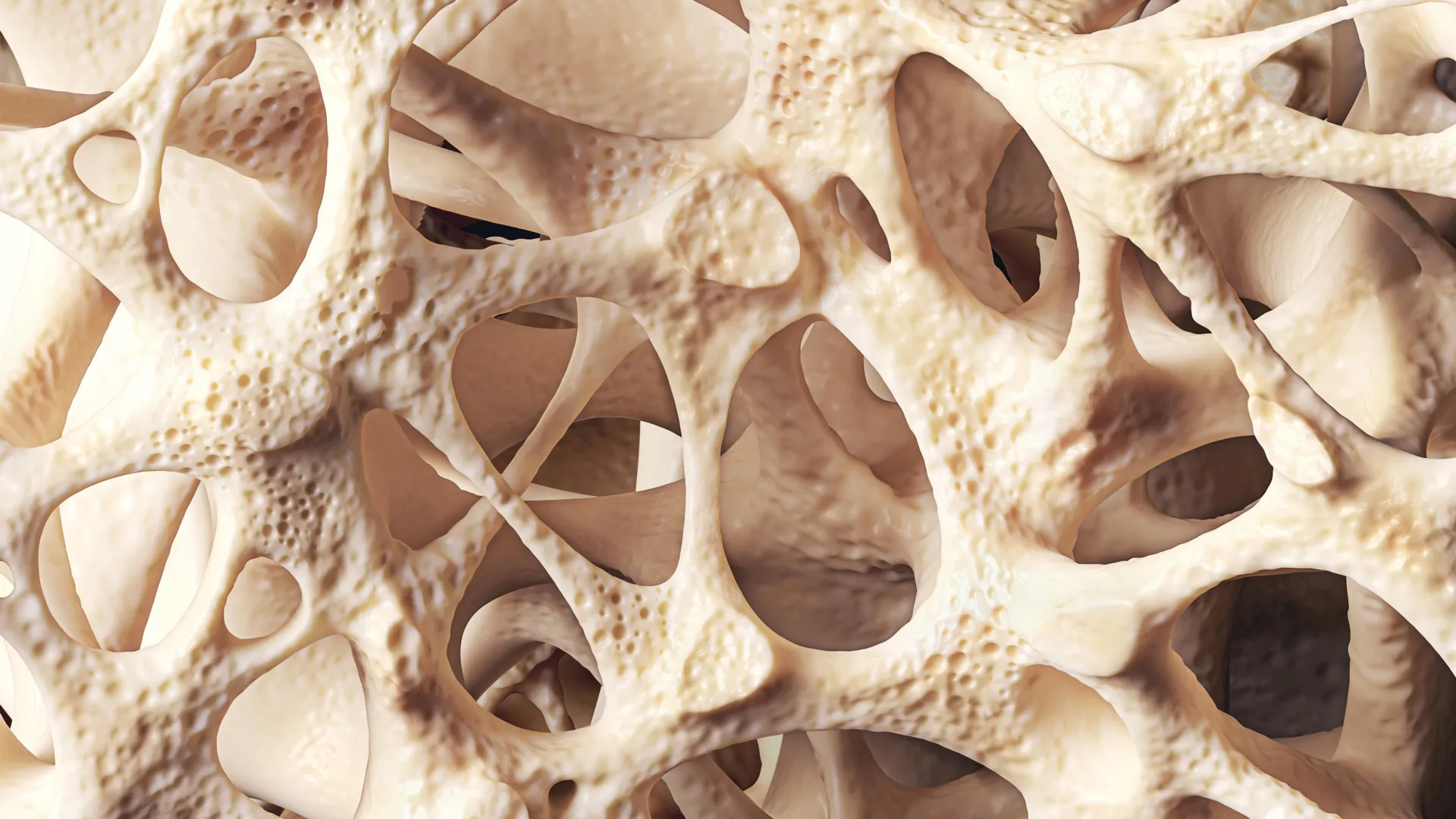
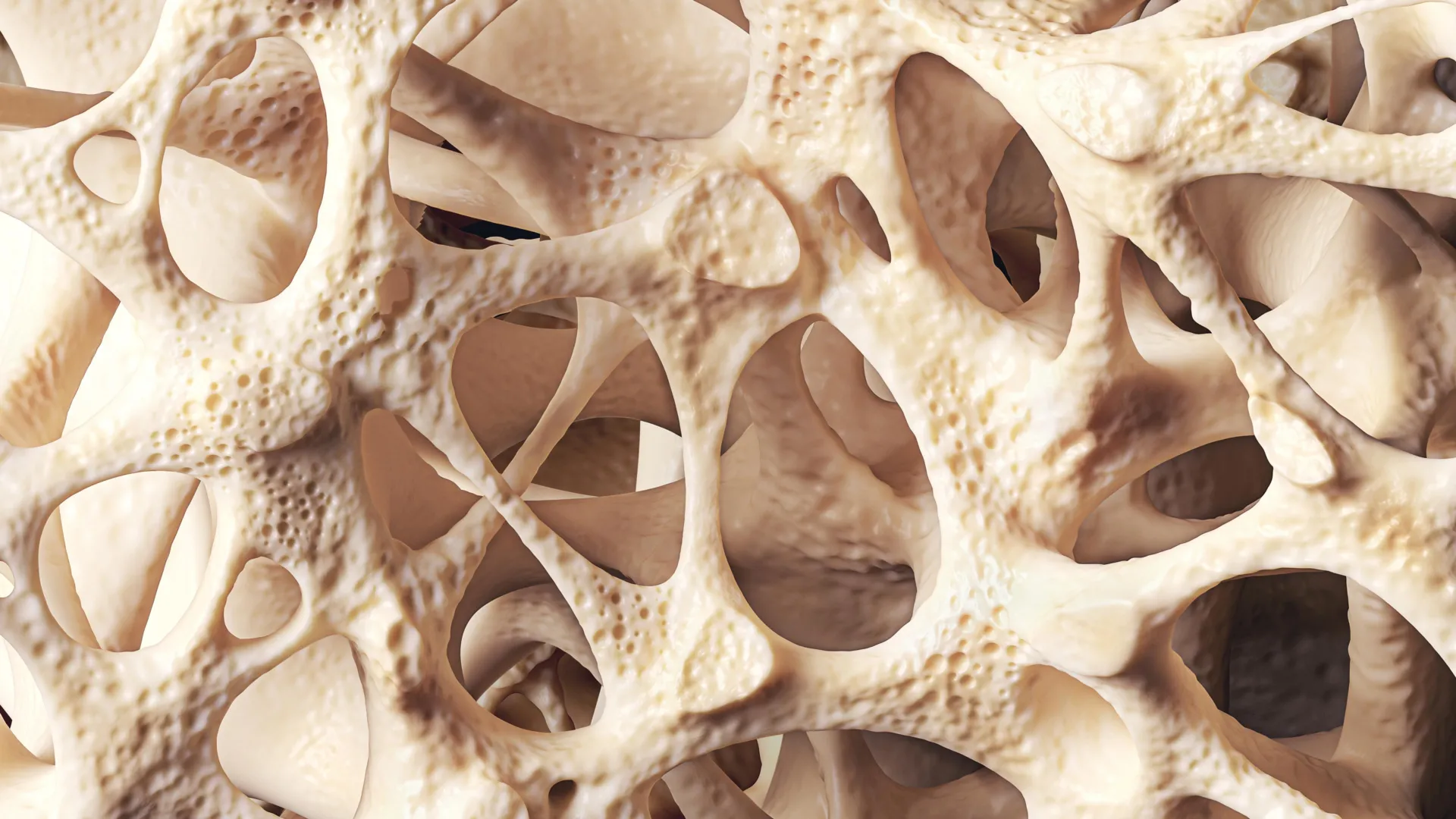
By the time an individual enters their senior years, the cumulative effect of years of net bone loss becomes apparent. If the density has dropped into the osteopenic range, the skeleton is significantly more susceptible to fractures in the hip, spine, and wrist. At this stage, the focus shifts from prevention to mitigation, as the architecture of the bone has become porous and brittle.
Supporting Data: Measuring the Risk
The medical community relies on the Dual-Energy X-ray Absorptiometry (DXA) scan to diagnose bone density issues. This low-dose X-ray technology provides a "T-score," which acts as a mathematical snapshot of skeletal health.
- T-score of -1.0 or higher: Normal bone density.
- T-score between -1.0 and -2.5: Classified as osteopenia.
- T-score of -2.5 or lower: Classified as osteoporosis.
Beyond the DXA scan, clinicians utilize the Fracture Risk Assessment Tool (FRAX) to determine the ten-year probability of a major osteoporotic fracture. This tool integrates variables such as age, body mass index (BMI), history of previous fractures, parental history of hip fractures, smoking status, and the use of glucocorticoids (steroids). By layering these risk factors over the T-score, doctors can distinguish between those who need lifestyle modifications and those who require immediate pharmaceutical intervention.
Official Perspectives and Medical Implications
Health authorities, including the National Health Service (NHS) and the Royal Osteoporosis Society (ROS), emphasize that osteopenia is not a diagnosis to be ignored, but rather a "yellow flag"—a clear signal that the window for intervention is open.
The Role of Lifestyle and Nutrition
The medical consensus is clear: the progression to osteoporosis is not inevitable. A multifaceted approach to lifestyle management can halt or even reverse the rate of bone loss.
- Mechanical Loading: Weight-bearing exercises such as walking, jogging, and dancing, combined with resistance training, place the necessary strain on the skeleton to stimulate osteoblasts (bone-forming cells). Furthermore, activities like Tai Chi have been proven to enhance balance and core strength, which indirectly protects bones by preventing the falls that lead to fractures.
- Nutritional Foundation: Calcium is the fundamental building block of bone, but it cannot be utilized without adequate vitamin D, which acts as the "key" to calcium absorption. Given that vitamin D deficiency is widespread in higher-latitude countries like the UK, many health professionals now recommend universal supplementation.
- Modifiable Risks: Smoking and excessive alcohol consumption are known toxins to bone metabolism. Eliminating these, alongside maintaining a healthy body weight, can significantly preserve bone integrity.
Addressing Secondary Causes
It is important to note that osteopenia is not always a byproduct of aging. Certain medical conditions, such as Crohn’s disease or coeliac disease, interfere with the body’s ability to absorb essential nutrients. Additionally, the long-term use of corticosteroid medications can suppress bone formation. For patients with these underlying issues, management of the primary condition is the first step in protecting the skeleton.
The Future of Bone Health: A Shift in Paradigm
Historically, medicine has focused on treating fractures after they occur. However, the current shift toward early detection of osteopenia reflects a broader movement toward preventative medicine.
Why "Mild" is a Misnomer
There is a dangerous tendency to view osteopenia as a "mild" condition. In reality, because a large number of people fall into the osteopenic category, a high volume of fractures actually occur in this population—not just among those with osteoporosis. By labeling osteopenia as a serious, actionable health status, clinicians are aiming to reduce the long-term pressure on healthcare systems.
A Long-Term Perspective
The health of our bones in our 70s and 80s is being written in our 30s, 40s, and 50s. Protecting the skeleton requires a lifelong commitment to nutrition, activity, and hormonal health. The evidence is increasingly optimistic: with modern diagnostic tools and targeted interventions, bone density can be stabilized, and in some cases, improved.
The transition from a healthy skeleton to a fragile one is a process of decades, but the intervention can begin at any time. By viewing osteopenia as an opportunity for course correction rather than an inevitable decline, individuals can take control of their mobility and independence for the future. The "silent thief" can be stopped, provided we start listening to our bones before they break.
Key Takeaways for Patients:
- Know your numbers: If you are postmenopausal or have risk factors, ask your GP about a DXA scan.
- Move with purpose: Incorporate weight-bearing and resistance exercises into your weekly routine.
- Fuel your frame: Ensure your intake of calcium and vitamin D meets recommended guidelines.
- Manage comorbidities: If you have digestive issues or are on long-term steroids, discuss bone health with your specialist.
Osteopenia is a manageable condition. The goal of clinical care today is to ensure that the "warning sign" of low bone density is treated with the same urgency as any other chronic health condition, ensuring a future where fragility is the exception, not the rule.