









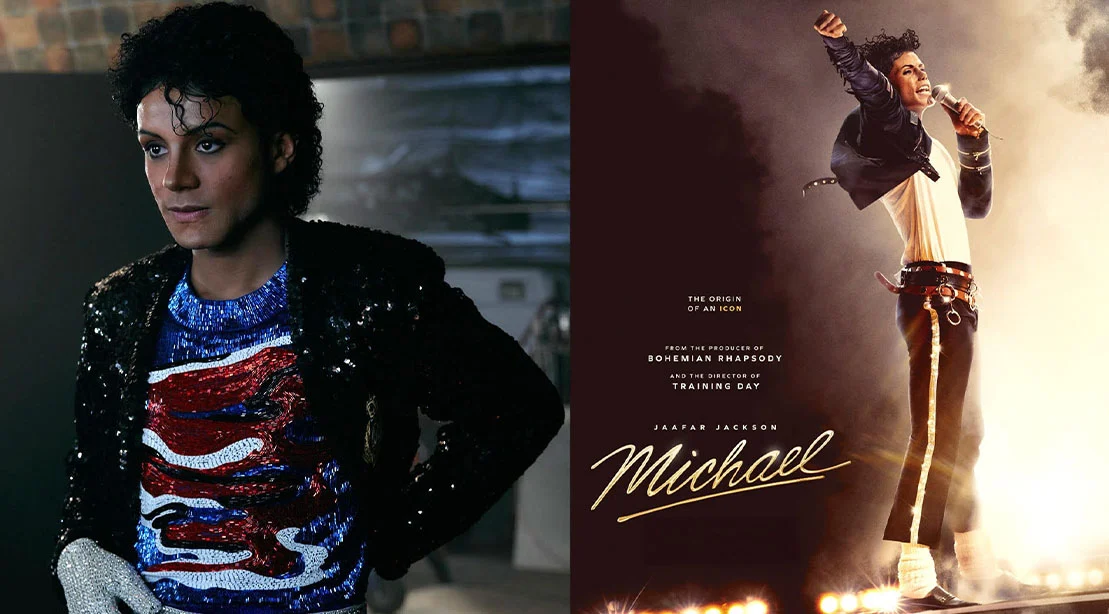
The cinematic landscape has been irrevocably altered by the arrival of the highly anticipated biopic Michael, a film that has shattered box office expectations and redefined the standards for musical iconography on screen. At the center of this cultural phenomenon is Jaafar Jackson, whose uncanny ability to channel the late King of Pop has earned him global acclaim. While audiences have been captivated by the recreation of timeless hits like "Don’t Stop ‘Til You Get Enough," "Thriller," and "Bad," the transformation was not merely an act of theatrical mimicry—it was an exhaustive, physically punishing journey that demanded a level of dedication rarely seen in modern cinema.
Behind the glitter of the glove and the precision of the moonwalk lies a sobering reality: the price of embodying Michael Jackson was, quite literally, paid in blood, sweat, and significant physical trauma. In recent disclosures, Jaafar has peeled back the curtain on the grueling, often painful process of preparing for the role, revealing how the pursuit of MJ-level perfection resulted in chronic foot complications, including the debilitating condition known as plantar fasciitis.
The Weight of a Legacy: Understanding the Burden
Jaafar Jackson, the son of Jermaine Jackson and nephew to the legendary entertainer, grew up with an intimate understanding of the Jackson family’s legendary work ethic. However, inhabiting the role of his uncle required more than just familial familiarity; it required a complete physical recalibration. During a candid appearance on the May 11 episode of Complex’s popular series Sneaker Shopping, Jaafar opened up about the tactical sacrifices he made to achieve the iconic silhouette and movement of Michael Jackson.
To capture the specific aesthetic of MJ’s footwear, Jaafar opted for traditional leather dress shoes—a choice that proved hazardous. To ensure the shoes fit tightly enough to allow for the precision required for the moonwalk and the signature toe stands, Jaafar intentionally wore shoes that were half-to-a-full-size smaller than his actual foot.
"The first two months of dancing, those feet are scrunched," Jaafar explained during the interview. "Then, to do the toe stand, the moonwalk… all these different moves in them, over time, it caused a lot of complications with my feet."
Chronology of a Transformation: From Rehearsal to Recovery
The journey to becoming "Michael" was not a sprint, but a marathon of repetitive motion. The process can be categorized into three distinct phases: the molding phase, the high-intensity performance phase, and the inevitable recovery phase.
Phase 1: The Molding of the Footwear
For the first eight weeks of production, Jaafar focused on breaking in the leather footwear. By sizing down, he forced his feet to conform to the rigid constraints of the shoes. This period was characterized by acute pressure and the initial onset of tissue damage. The lack of arch support and the compression of the toes created a perfect storm for structural foot issues.
Phase 2: The Intensity of the Performance
As filming commenced, the intensity shifted. The repetitive nature of the choreography—specifically the high-impact toe stands—began to take a toll on the plantar fascia, the thick band of tissue that supports the arch. As the tissue became inflamed, Jaafar began experiencing the classic symptoms of plantar fasciitis: shooting pain, stiffness, and intermittent numbness.
Phase 3: The Toll of the "Toe Stand"
Jaafar identified the "toe stand" as the primary culprit in his injury. This move, which requires the dancer to balance the entire body weight on the tips of the toes, puts extreme mechanical stress on the metatarsals and the surrounding ligaments. As the filming schedule tightened, the recovery time between takes vanished, leading to symptoms that extended beyond mere soreness.
Supporting Data: The Reality of Plantar Fasciitis
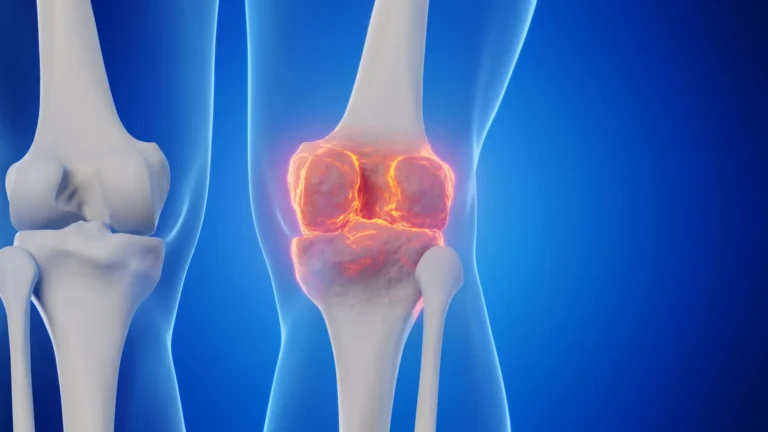
Plantar fasciitis is a condition that frequently plagues professional athletes and dancers alike. It occurs when the plantar fascia—the ligament connecting the heel bone to the toes—becomes overstressed. In the context of a film production, the risk is exacerbated by the lack of appropriate orthotic support.
Jaafar described the physiological warning signs he faced on set: "Each day was kind of different. Sometimes it would go numb for 20 minutes, sometimes it would go numb for two hours. I’m like, ‘It’s not coming back,’ and my toe would go completely white. It got completely cold."
This level of vascular and nerve distress suggests a severe restriction of blood flow caused by the combination of tight footwear and the extreme angles required by the choreography. Jaafar’s immediate response—applying heat and using a ball to roll out the fascia—aligns with common physical therapy practices, yet highlights the severity of the strain he was under. His experience serves as a stark reminder that while the audience sees the magic of the moonwalk, the performer often feels the raw, unvarnished physical cost.
Official Responses and Production Implications
The success of Michael has sent shockwaves through the industry, with Lionsgate confirming that a sequel is already in early development. This news places an even greater focus on the health and safety of the lead actor.
Industry experts in dance medicine have noted that the physical demands placed on Jaafar are comparable to those experienced by professional ballet dancers or touring pop icons. The Bad tour, which spanned 1987 to 1989 and involved 123 gigs, is a testament to the sheer physical endurance Michael Jackson himself maintained—a standard that Jaafar clearly aimed to honor.
Lionsgate has not released an official statement regarding changes to training protocols for the upcoming sequel, but given the public nature of Jaafar’s injuries, there is an expectation among fans and health professionals that the production will implement more robust physical therapy and support measures to prevent a recurrence of these complications during the next phase of filming.
Implications: The Future of Biopic Performance
The dedication shown by Jaafar Jackson brings to the forefront a broader conversation about the physical expectations of actors in modern biopics. As audiences demand higher levels of authenticity, the line between "acting" and "athletic performance" continues to blur.
Jaafar’s experience serves as both a cautionary tale and a testament to his commitment to the craft. By refusing to use stunt doubles for his intricate dance sequences, he has cemented his place as a performer who understands that the "King of Pop" was not just a singer, but a master of physical discipline.
As the production team looks toward the sequel, the challenge will be to balance the "perfection" required for the role with the long-term health of its star. For Jaafar, the numbness and the white-knuckle pain of the toe stand were merely a temporary sacrifice for a legacy that now feels firmly within his grasp.
The legacy of Michael Jackson is one of uncompromising, otherworldly excellence. If the initial success of the film is any indication, Jaafar Jackson has succeeded in carrying that torch—even if it means he must occasionally trade his loafers for a recovery ball and a little bit of rest.
For those interested in following Jaafar Jackson’s journey, you can keep up with his updates on Instagram.
To view the full, detailed breakdown of his footwear choices and the challenges of the role, watch the full episode of Complex’s "Sneaker Shopping" here.