





In a groundbreaking development that bridges the gap between traditional food science and modern environmental toxicology, researchers at the World Institute of Kimchi (WiKim) have identified a specific strain of lactic acid bacterium that could serve as a biological defense against the growing threat of nanoplastic ingestion. As micro- and nanoplastics permeate every corner of the global food chain, the discovery that Leuconostoc mesenteroides CBA3656—a microbe naturally found in Korea’s iconic fermented cabbage dish—can bind to and facilitate the excretion of these particles marks a significant milestone in public health research.
The Invisible Threat: Understanding Nanoplastics
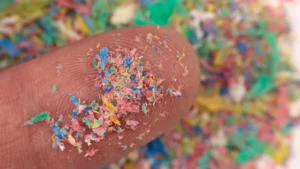
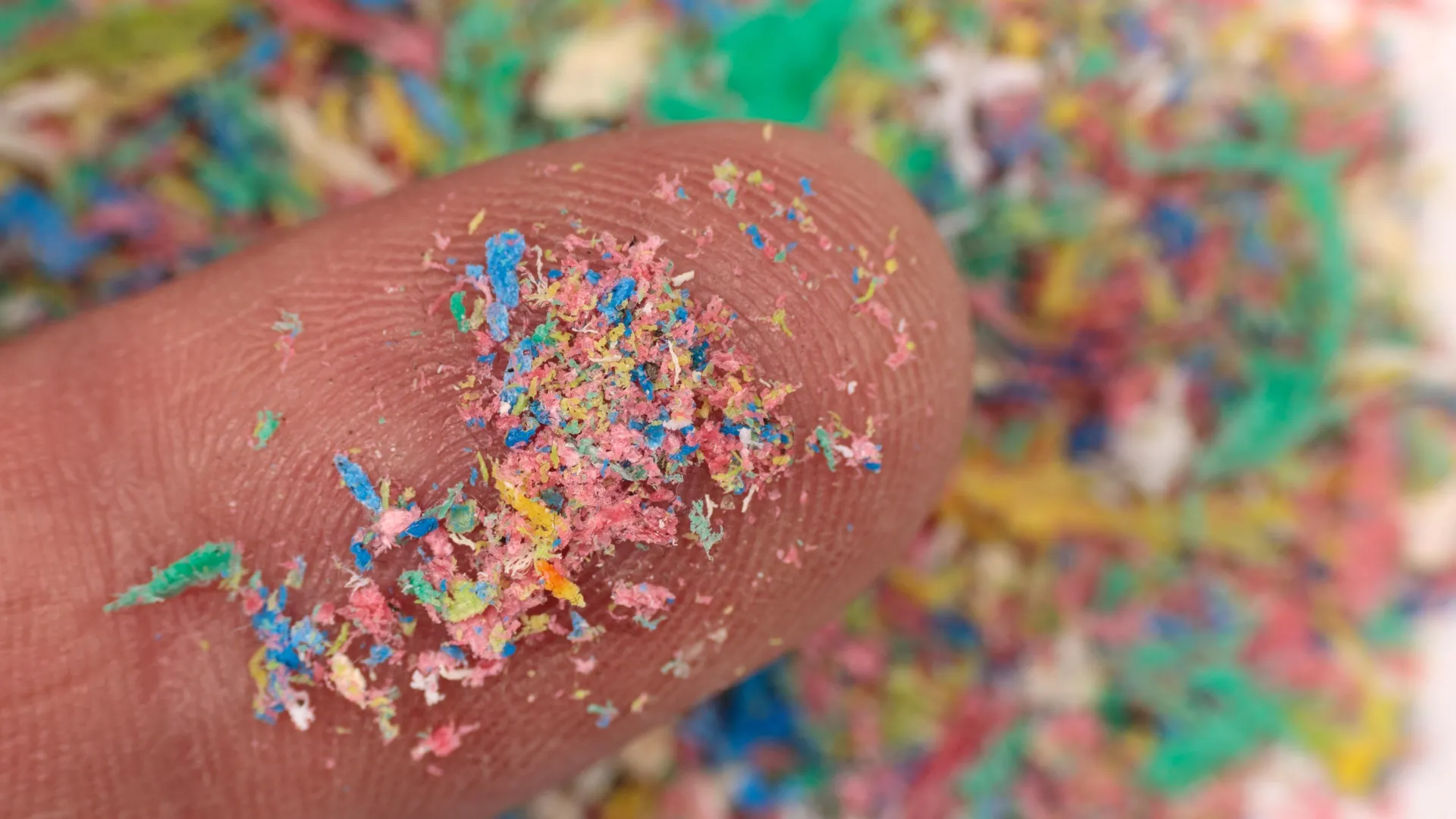
To appreciate the significance of the WiKim study, one must first understand the insidious nature of the target. Nanoplastics are defined as plastic particles measuring less than 1 micrometer (μm)—a size so infinitesimal that they are invisible to the naked eye and capable of infiltrating biological membranes that larger particles cannot.
These particles are not manufactured as such; rather, they are the byproduct of the degradation of larger plastic debris—bottles, packaging, and synthetic fibers—which break down through mechanical wear, UV exposure, and chemical weathering. Once they reach the nanometer scale, their behavior changes fundamentally. They become highly mobile within the human body. Unlike larger plastic fragments that may pass through the digestive system relatively inertly, nanoplastics are small enough to cross the intestinal barrier. Once they enter the bloodstream, they can translocate to vital organs, including the liver, kidneys, and, perhaps most alarmingly, the brain.
Despite the growing consensus among the scientific community that nanoplastics pose a significant risk to human health, medical strategies to mitigate their accumulation in the gastrointestinal tract have been virtually non-existent. Until now, the primary focus has been on environmental remediation—cleaning up the oceans and reducing plastic waste—rather than biological interventions for those who have already consumed the pollutants.
A New Role for Fermented Foods: The Chronology of Discovery
The research, led by Dr. Se Hee Lee and Dr. Tae Woong Whon at the World Institute of Kimchi, began with a hypothesis rooted in the unique properties of kimchi-derived microbes. Kimchi is a complex ecosystem of lactic acid bacteria (LAB) that have evolved to survive the acidic, high-salt, and competitive environment of the fermentation jar.
The Experimental Phases:
- Initial Screening: The team began by cataloging various strains of LAB isolated from traditional kimchi samples. They sought strains with robust surface properties capable of acting as "molecular sponges" for pollutants.
- Laboratory Adsorption Trials: The team tested Leuconostoc mesenteroides CBA3656 against polystyrene nanoplastics (PS-NPs) under controlled laboratory conditions. The results were immediate and promising: the strain showed an 87% adsorption efficiency.
- Simulated Intestinal Stress Tests: Recognizing that laboratory conditions rarely reflect the harsh reality of the human digestive system, researchers subjected the bacteria to simulated intestinal fluids—characterized by varying pH levels and digestive enzymes.
- In Vivo Validation: To confirm that the binding observed in test tubes actually translated to physiological outcomes, the team utilized a germ-free mouse model. This allowed them to measure the excretion rate of nanoplastics in a controlled biological environment.
Supporting Data: Why CBA3656 Stands Out
The most compelling aspect of the WiKim study lies in the comparison between Leuconostoc mesenteroides CBA3656 and a reference strain, Latilactobacillus sakei CBA3608.
In standard, idealized laboratory conditions, both strains performed admirably, with the reference strain achieving 85% adsorption and the CBA3656 strain achieving 87%. However, the true test of a probiotic is its ability to survive and function within the body. When the researchers introduced simulated human intestinal conditions, the performance gap widened drastically.
The reference strain’s efficacy plummeted to a mere 3% adsorption rate, suggesting that the digestive environment effectively neutralized its binding capabilities. In stark contrast, Leuconostoc mesenteroides CBA3656 maintained a robust 57% adsorption rate. This stability is the "holy grail" of probiotic research; it proves that the bacteria remain active and capable of binding pollutants even while contending with the hostile, enzyme-rich environment of the gut.
Further evidence was gathered through the germ-free mouse study. When mice were administered the CBA3656 strain, their fecal samples revealed a more than twofold increase in the concentration of nanoplastics compared to the control group. This provides a clear, quantitative mechanism: the bacteria bind to the nanoplastics in the gut, forming a complex that the body is then able to expel naturally through the digestive tract, thereby preventing the particles from being absorbed into the intestinal wall.
Official Responses and Expert Perspectives
The announcement, led by WiKim President Hae Choon Chang, underscores a pivot in the institute’s mission. While WiKim has historically focused on the health benefits of kimchi—such as immune system support and anti-inflammatory properties—this study elevates the scope of its research to global environmental challenges.
"Plastic pollution is increasingly recognized not only as an environmental issue but also as a public health concern," Dr. Se Hee Lee stated during the briefing. "Our findings suggest that microorganisms derived from traditional fermented foods could represent a new biological approach to address this emerging challenge."
The scientific community has responded with cautious optimism. Nutritionists and toxicologists have long known that probiotics can bind to heavy metals and certain toxins, but applying this principle to synthetic polymers is a novel frontier. Experts note that while the mouse model results are compelling, the next logical step—and the most rigorous one—will be clinical trials in human subjects. These trials will need to determine the required dosage, the long-term safety of constant probiotic supplementation, and whether this effect holds true for the various types of plastic polymers (polyethylene, polypropylene, PVC, etc.) found in the modern diet.
Implications: A Proactive Future for Public Health
The implications of this research are far-reaching. If these findings are validated through human clinical trials, the integration of specific probiotic strains into diets could become a preventative health measure for populations living in areas with high plastic contamination.
1. The Probiotic-Pollutant Interaction
This research shifts the paradigm of how we view our microbiome. Rather than being passive participants in digestion, our gut bacteria could be engineered or specifically selected to act as "internal filters." This opens the door to a new class of "functional probiotics" specifically marketed for environmental detoxification.
2. Validating Traditional Knowledge
There is a poetic irony in the fact that a traditional, ancient method of food preservation—fermentation—is providing the technology to solve a quintessentially modern problem: the proliferation of microplastics. It validates the long-standing belief that traditional diets, which are dense in microbial diversity, offer protective benefits that modern, ultra-processed diets lack.
3. Future Research Directions
The team at WiKim has stated they will continue to expand the scientific value of kimchi microbial resources. Future studies will likely focus on:
- Broadening the Scope: Testing the efficacy of L. mesenteroides CBA3656 against a wider array of plastic types and shapes (fibers vs. spheres).
- Synergistic Effects: Investigating whether other strains found in kimchi might work in tandem with CBA3656 to provide even greater detoxification.
- Formulation: Determining the most effective delivery method—whether through daily kimchi consumption, fortified functional foods, or probiotic supplements.
Conclusion
As the global community grapples with the pervasive nature of plastic pollution, the discovery by the World Institute of Kimchi offers a glimmer of hope. While it is not a "cure-all" that eliminates the need for systemic environmental change, it provides a powerful, natural tool for personal health protection.
The journey of Leuconostoc mesenteroides CBA3656—from a humble component of a fermented side dish to a potential guardian of human health—highlights the untapped potential residing within our traditional food systems. As Dr. Lee and his team look toward the future, their work serves as a reminder that the solutions to 21st-century crises may be hidden in the microscopic organisms that have sustained human health for generations. The fight against nanoplastics is far from over, but for the first time, we have a biological ally in the gut.