In March 2024, a group of California politicians stood on the 110-year-old campus of the Metropolitan State Hospital in Norwalk, wielding golden shovels. The photo-op celebrated the groundbreaking of a project authorized by Governor Gavin Newsom to remodel six shuttered buildings on the 162-acre complex. The Governor’s office framed the project as a "major transformation," a "healing village" designed to address the state’s burgeoning mental health crisis.
However, for disability rights advocates and legal scholars, the scene represented something far more regressive: the literal refurbishing of an asylum system that was largely abandoned decades ago during the era of deinstitutionalization. This move is part of a broader national trend where, for the first time in over 70 years, states are aggressively increasing psychiatric hospital capacity. While officials point to a "bed crisis" to justify this expansion, a deeper investigation reveals a more complex and troubling reality. The surge in institutionalization is not driven by a lack of beds for general care, but by a systemic failure to address housing and the "silent crisis" of competency restoration within the criminal legal system.
Main Facts: The Manufactured Crisis of the "Bed Shortage"
The dominant narrative in American mental health policy suggests that the closure of state hospitals in the 1960s and 70s—deinstitutionalization—directly caused the current homelessness and incarceration crises. This narrative posits that because there are "no beds" available, the severely mentally ill have been ushered onto the streets and into jails.
Yet, data suggests this "shortage" may be a manufactured moral panic. Investigative reports have shown that the total number of psychiatric beds per capita in the United States has never been higher than it is today. The perceived shortage is actually a "bottleneck" caused by a specific legal status: Incompetent to Stand Trial (IST).

According to a 2025 report by NRI, the leading organization for state psychiatric data, 90 percent of state agencies now report a bed shortage. However, their analysis clarifies that this overcrowding is not due to a general demand for psychiatric help. Instead, it is fueled by a staggering increase in criminal defendants deemed IST. These individuals are funneled into state hospitals not for long-term healing, but for "competency restoration"—a narrow legal process intended only to stabilize a defendant enough to participate in their own prosecution.
This has created what experts call "competency limbo." Defendants, often charged with low-level "survival crimes" related to homelessness or poverty, are held in jails or locked forensic units for months or years, waiting for a bed. In many cases, they remain confined for longer than the maximum sentence of the crime they were originally accused of committing.
Chronology: From Deinstitutionalization to "The New Asylums"
To understand the current pivot back toward institutionalization, one must trace the legal and social shifts of the last sixty years:
- 1960: The Dusky Standard. The U.S. Supreme Court case Dusky v. United States established the Fourteenth Amendment right for a defendant to be able to understand trial proceedings and assist in their own defense.
- 1960s–1970s: Deinstitutionalization. Massive state hospitals began to close due to exposes of horrific conditions and the introduction of psychotropic medications. However, the promised "community-based care" was never fully funded.
- 1972: Jackson v. Indiana. The Supreme Court ruled that states cannot indefinitely confine defendants solely because they are IST. They can only be held for a "reasonable period" to determine if they can be restored.
- 1980s: Neoliberalism and the Decline of the Welfare State. Under Reagan-era policies, vital housing subsidies and social safety nets were gutted. This era saw the rise of mass incarceration and the "racial criminal pathologization" of Black and Brown communities.
- 1999: The Olmstead Decision. The Supreme Court ruled in Olmstead v. L.C. that the Americans with Disabilities Act (ADA) requires public entities to provide services in the "most integrated setting appropriate," establishing a legal mandate for community living over institutionalization.
- 2010s–Present: The IST Surge. Referrals for competency restoration skyrocketed. In some states, civil admissions to hospitals dropped by 50 percent, while criminal IST referrals became the primary driver of hospital populations.
- 2024–2025: The Return of the Asylum. States like California, Washington, and New York begin massive reinvestments in forensic hospital beds, often over the objections of their own health administrators.
Supporting Data: The Drivers of Institutionalization
The narrative that "prisons are the new asylums" is frequently used to argue for more hospital beds. However, Dr. Liat Ben-Moshe, a leading scholar on the subject, argues that this trope misses the mark. She contends that the crisis is not a lack of hospitals, but a lack of housing.

Data from California’s Department of State Hospitals supports this. In 2021, Director Stephanie Clendenin revealed that 47% of individuals referred to IST were unhoused at the time of their arrest. Furthermore, nearly half had not accessed any mental health services in the six months prior to their arrest, suggesting that the "front-end" of community support has completely failed.
Further complicating the "bed shortage" narrative is a 2020 survey of state jurisdictions conducted by Dr. Katherine Warburton. When asked to rank the drivers of the IST surge:
- Inadequate general mental health services in the community.
- Inadequate crisis services.
- Shortage of inpatient psychiatric beds.
- Lack of assertive community treatment.
The survey concluded that "expanding state hospital capacity is not a remedy to the problem," yet political entities like the Treatment Advocacy Center (TAC) have consistently massaged this data to lobby for more beds and the repeal of the "IMD exclusion"—a Medicaid rule that prevents federal funds from being used in large psychiatric institutions.
Official Responses and the Profit Motive
While state governments frame the expansion of beds as a public service, the private sector has identified it as a lucrative "captive market." Private equity firms have moved aggressively into the competency restoration space, a phenomenon critics call "termite capitalism."

Wellpath, a prison healthcare giant owned by H.I.G. Capital, became a multi-billion dollar entity by contracting with states to provide jail-based competency restoration. Despite its growth, Wellpath faced over 1,500 lawsuits alleging medical neglect and patient deaths. In late 2024, the company filed for Chapter 11 bankruptcy—a move that critics, including Senator Elizabeth Warren, say allowed the company to evade accountability for its harm.
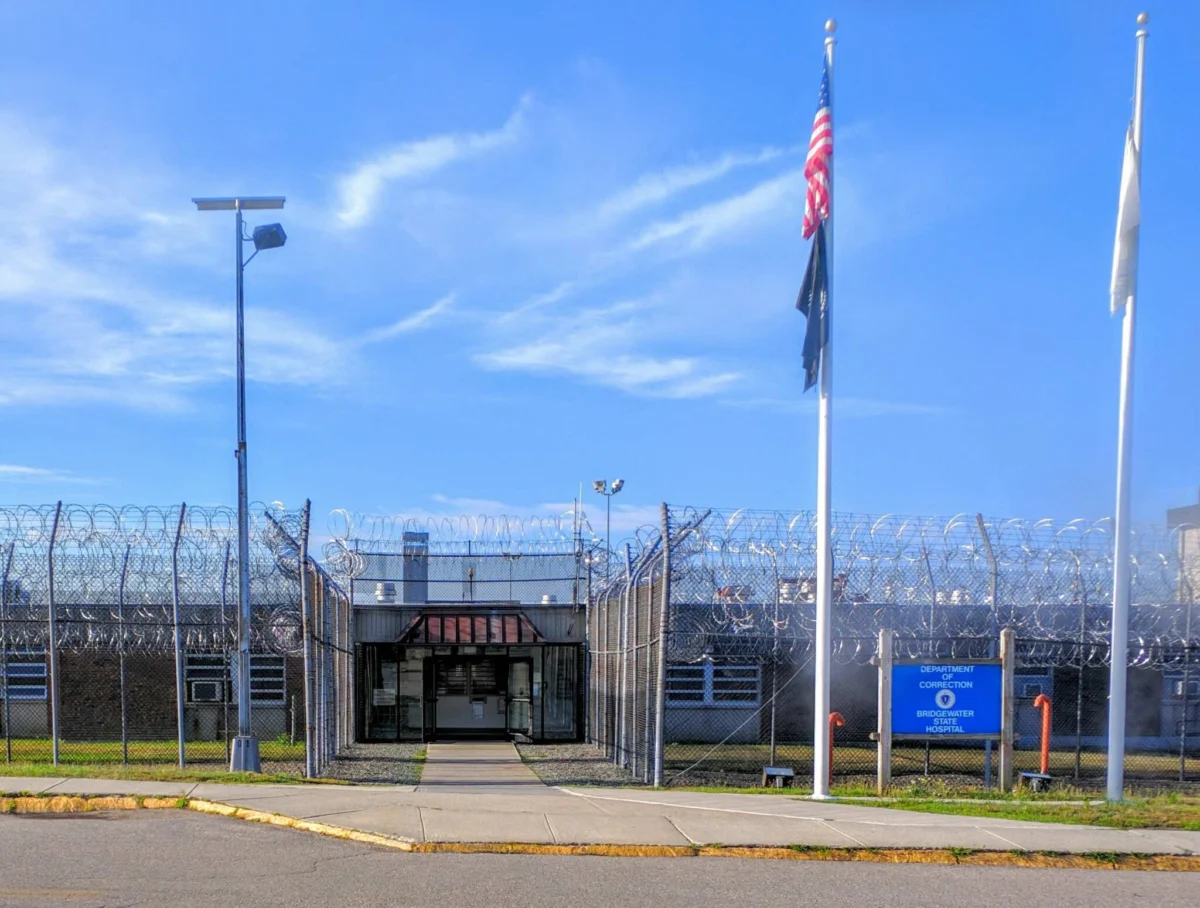
The company’s behavioral health division emerged from bankruptcy as "Recovery Solutions," which now manages government-backed facilities across the U.S., including the notorious Bridgewater State Hospital in Massachusetts. These private entities often receive fixed per-diem payments, creating a perverse financial incentive to provide the bare minimum of care while keeping beds filled.
Government officials, such as those in Governor Newsom’s administration, continue to push for "Healing Villages" and mandatory treatment through initiatives like CARE Court. They argue these measures are necessary to get people off the streets. However, administrators like Clendenin have warned that building more beds only "creates opportunities for individuals to be committed as IST," rather than addressing the poverty and lack of care that leads to arrest in the first place.
Implications: The Future of Disability Rights
The current crisis has brought the United States to a constitutional crossroads. At the heart of the debate is the Olmstead mandate.

In June 2024, the Department of Justice issued a memo that many disability rights organizations fear is laying the groundwork to weaken Olmstead. The memo suggests that the right to community living may be subject to new limitations, a move vociferously condemned by the American Civil Liberties Union (ACLU) and the Disability Rights Education and Defense Fund (DREDF).
Simultaneously, a novel legal battle is unfolding in New York. The Legal Aid Society filed a class-action lawsuit in August 2025, arguing that the state’s failure to provide timely competency restoration services—leaving hundreds to rot in Rikers Island—violates the Olmstead mandate. The lawsuit seeks to force the state to develop outpatient restoration programs and community-based supports rather than simply building more secure forensic beds.
The implications of these battles are profound. If the "bed shortage" myth continues to drive policy, the U.S. may see a full-scale return to the era of large-scale institutionalization, where the most vulnerable citizens are "warehoused" under the guise of care. Alternatively, if legal challenges like the New York lawsuit succeed, they could force a radical shift toward the "social model of disability"—one that recognizes the competency crisis not as a medical failure, but as a systemic failure of housing, community integration, and civil rights.
As the golden shovels hit the dirt in Norwalk, the question remains: Are we building a new future for mental health, or are we simply repainting the walls of the asylums we once fought to close?