










From the fast-paced scroll of TikTok feeds to the bestseller lists of diet books, vegetable and seed oils—often collectively labeled "seed oils"—have become the latest battlefield in the culture war of nutrition. To some, they are "toxic sludge" responsible for a hidden epidemic of chronic disease; to others, they are benign, or even heart-healthy, staples of the modern diet.
The rhetoric is intense. Online influencers and proponents of the carnivore diet warn against the "hateful eight," claiming these oils drive everything from anxiety and depression to obesity and ulcerative colitis. Meanwhile, mainstream nutritional science maintains a more nuanced, albeit less "viral," perspective. To understand the truth, we must look past the memes and delve into the complex chemical reality of how these oils are produced, consumed, and metabolized.
The Origins of the Controversy
The debate over vegetable oils is not entirely new; it has simmered since these products first entered the industrial marketplace. Historically, animal fats like butter, lard, and tallow were the primary sources of dietary fat for humans. In the 20th century, the rise of food technology introduced highly processed alternatives, marketed as "heart-healthy" replacements for saturated fats.
The recent resurgence of anti-seed-oil sentiment is rooted in the "ancestral health" movement. The logic is simple: humans evolved eating animal fats, not oils extracted from industrial crops like soy, corn, or rapeseed via high-heat chemical processes. Critics argue that these oils, created by profit-seeking corporations, are inherently unstable and inflammatory. They point to the shift in the American diet away from traditional fats toward industrial oils as a primary culprit in the rise of metabolic dysfunction.
However, labeling these oils as "toxic" is a significant scientific leap. While the conversation is fraught with hyperbole, it touches on a valid point: the degree of processing matters. To make sense of the noise, we must differentiate between the source of the oil and the method of its extraction.
The Anatomy of Oil: Extraction and Processing
The fundamental issue with many vegetable oils is not the seed itself, but how we get the oil out of it.
Consider the difference between extra virgin olive oil (EVOO) and conventional soybean or canola oil. Olives are naturally fatty; you can press them mechanically and yield high-quality oil without heat or chemicals. In contrast, seeds like corn, soy, and cottonseed contain very little oil by volume. To extract it, manufacturers use a multi-step industrial process:

- Cleaning and De-hulling: Removing the outer layers of the seed.
- Grinding and Heating: Breaking the seeds down to facilitate oil release.
- Solvent Extraction: Using chemical solvents (like hexane) to dissolve the oil from the meal.
- Degumming and Refining: Removing impurities, free fatty acids, and phospholipids.
- Bleaching and Deodorizing: Using high heat and chemicals to create a neutral color and smell.
This process strips the oil of its natural protective compounds, such as polyphenols and antioxidants. Furthermore, if the oil is overheated during refining—or during subsequent use in a deep fryer—it can undergo oxidation, producing byproducts that are less than ideal for human health. While the FDA banned the addition of industrial trans fats in 2018, the heavy processing remains a point of contention among nutritionists.
The "Hateful Eight": Sorting Fact from Fiction
The "hateful eight"—typically defined as canola, corn, cottonseed, soybean, sunflower, safflower, grapeseed, and rice bran oils—are often grouped together by critics. But are they all equally problematic?
The Case for Extra Virgin Olive Oil
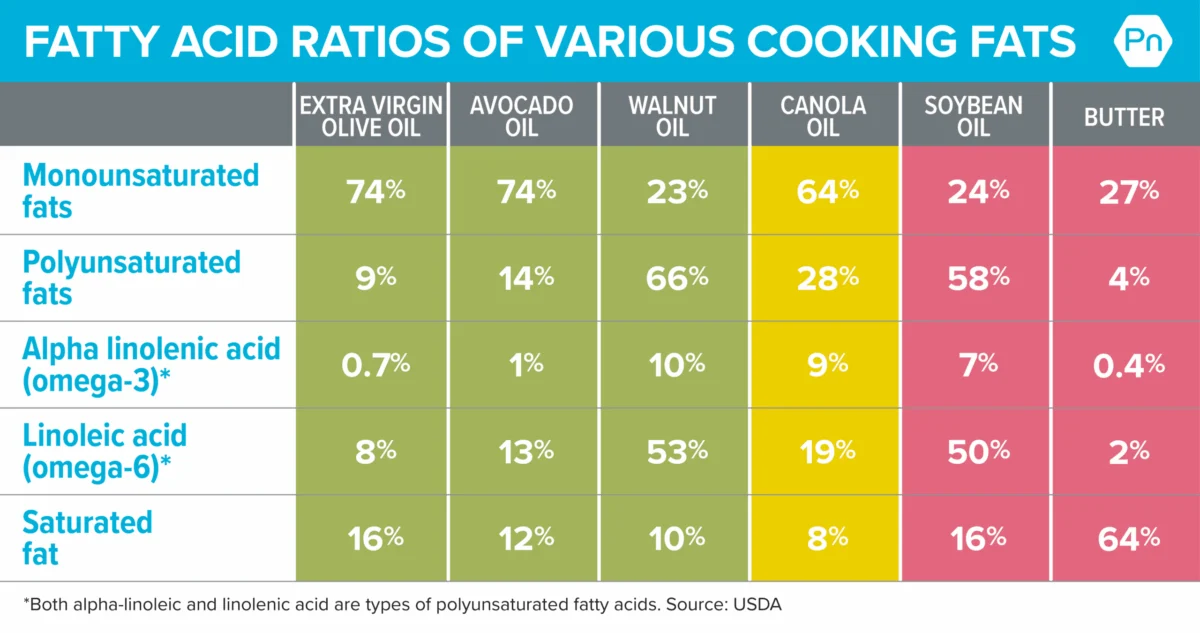
EVOO stands as the gold standard of culinary fats. It is rich in monounsaturated fatty acids (MUFAs) and retains the fruit’s original polyphenols, which combat inflammation and oxidative stress. Large-scale studies, including research involving over 22,000 adults in Italy, have consistently linked high EVOO consumption to lower mortality rates and a reduced risk of cardiovascular disease. Despite myths that olive oil is unsuitable for cooking, modern science shows it is remarkably stable under heat due to its antioxidant profile.
The Case for Expeller-Pressed Canola
Canola oil is often misunderstood. Unlike refined versions, "expeller-pressed" canola is produced mechanically without chemical solvents, helping to preserve its alpha-linolenic acid (an omega-3 fatty acid) and phytosterols. While it lacks the dense polyphenol content of EVOO, it is a budget-friendly, neutral-flavored oil that is likely health-neutral or mildly beneficial when used as a substitute for saturated fats.
The Omega-6 Dilemma
A core argument against seed oils is their high concentration of omega-6 polyunsaturated fatty acids. Critics argue that the modern American diet, which provides 16 to 20 times more omega-6s than omega-3s, drives chronic inflammation.
However, the scientific consensus is shifting. Research published in the American Heart Association’s Circulation journal suggests that omega-6 fats may actually lower the risk of heart disease and early death. The nuance lies in the context. Omega-6s found in whole foods like nuts and seeds are packaged with fiber and minerals. In contrast, highly processed refined oils have been stripped of the very nutrients that would stabilize those fatty acids, making them more prone to oxidation once consumed.
The Butter vs. Vegetable Oil Debate
The rivalry between butter and refined vegetable oils often triggers the most heated arguments.

Butter has been rehabilitated in recent years after being unfairly vilified in the 80s and 90s. However, it is not a "health food" in the traditional sense. It is high in saturated fat, which, when consumed in excess (more than 10% of daily calories), can elevate LDL cholesterol. While some dairy components, like the milk fat globule membrane, may offer protective benefits, butter is low in these compounds compared to whole-fat yogurt or cheese.
Refined vegetable oils, meanwhile, are largely empty calories. They are not "toxic," but they are hyper-processed. The real danger, however, is not the oil you use at home to roast vegetables; it is the "hidden" oil in ultra-processed foods. Store-bought chips, crackers, frozen meals, and salad dressings are laden with refined oils that have been exposed to repeated heat cycles and contain minimal nutritional value.
Implications for Your Diet
If you are looking to optimize your health, the advice from nutrition science is surprisingly straightforward:
- Prioritize Whole Food Fats: Obtain your fats from avocados, olives, nuts, seeds, and fatty fish. These sources come with a "package deal" of fiber, protein, vitamins, and minerals that isolated oils simply cannot replicate.
- Choose Your Cooking Oils Wisely: If you have the budget, make extra virgin olive oil your primary cooking fat. It is the most well-researched and stable oil available. For high-heat cooking on a budget, high-oleic sunflower or safflower oils are superior to standard refined vegetable oils.
- Limit Ultra-Processed Foods: The biggest source of problematic oils is not your kitchen, but the center aisles of the grocery store. By reducing your intake of ultra-processed snacks and convenience foods, you will naturally eliminate the majority of the "hateful eight" oils that are of the highest concern.
- Moderation is Key: Even healthy fats are energy-dense. Whether it is butter or olive oil, limit your consumption to one to three servings per day to ensure you are not inadvertently over-consuming calories.
Conclusion: The Truth is Nuanced
The "seed oil" hysteria is a classic example of a complex nutritional topic being reduced to a black-and-white meme. While it is true that modern industrial processing can degrade the quality of plant oils, the demonization of all vegetable-derived fats is unsupported by rigorous science.
The most effective strategy for long-term health is not to obsess over the specific type of oil you use to sauté your onions, but to focus on the overall quality of your diet. By prioritizing minimally processed, whole foods and limiting the ultra-processed items that dominate the modern food landscape, you can effectively mitigate the risks associated with industrial oils while enjoying a balanced and sustainable way of eating.