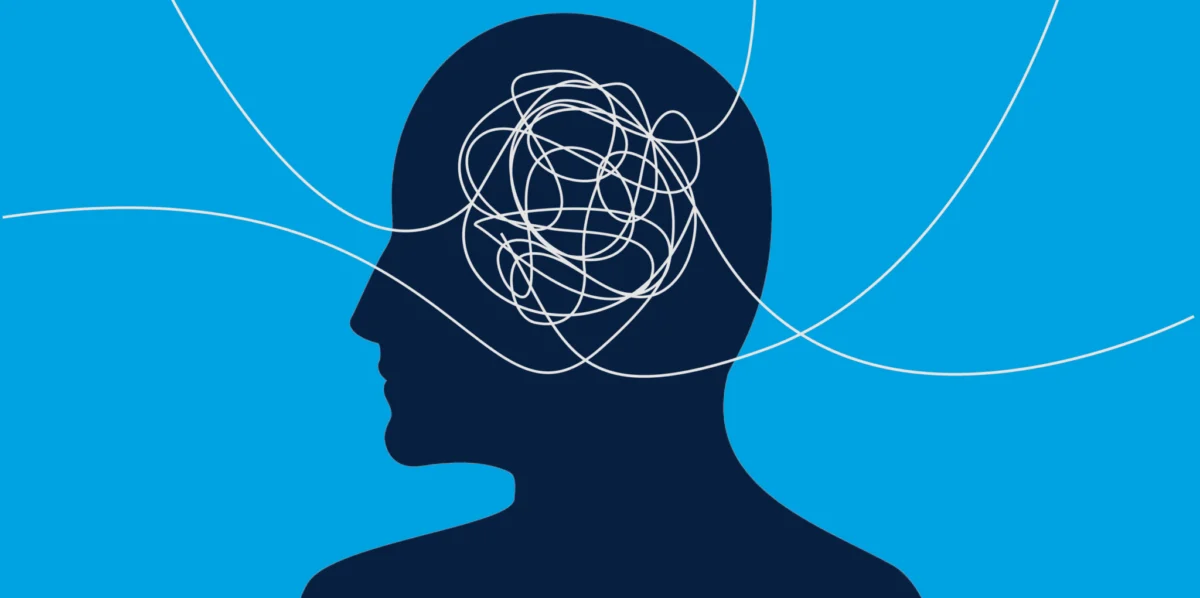
The data is clear, the figures are harrowing, and the long-term outlook remains shrouded in uncertainty. While the physical toll of the COVID-19 pandemic has been documented through daily tallies of infections and hospitalizations, a parallel "shadow pandemic" has been quietly ravaging the psychological well-being of the American public.
For more than three years, researchers and mental health professionals have been sounding an increasingly urgent alarm. What began as a localized reaction to lockdowns and health fears has evolved into a persistent, systemic crisis of depression, anxiety, and suicidal ideation. As society attempts to return to a semblance of normalcy, the psychological scars of the era remain fresh, revealing a nation struggling to cope with the most significant collective trauma in modern history.
Main Facts: A Tripling of Psychological Distress
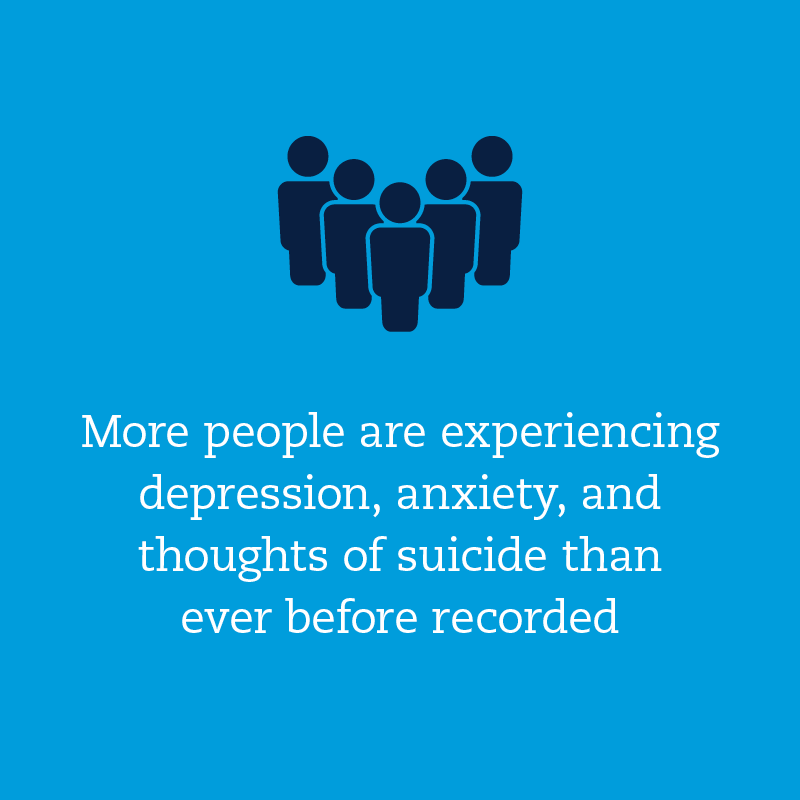
The primary takeaway from recent longitudinal studies is that mental health struggles are no longer the exception; for a significant portion of the population, they have become the rule. According to the COVID States Project—a massive, multi-university collaborative effort involving researchers from Harvard, Northeastern, Northwestern, and Rutgers—the prevalence of clinical-level depression has reached unprecedented heights.
The data indicates that approximately 28% of Americans now report symptoms of depression severe enough to warrant a formal clinical referral for evaluation and treatment. To put this into perspective, this figure represents a nearly three-fold increase from pre-pandemic levels. While the numbers have dipped slightly from a staggering peak of 30% in December 2020, they remain stubbornly high, refusing to return to the baseline levels observed before 2020.
Anxiety follows a similar, troubling trajectory. Currently, 25% of the population reports elevated levels of anxiety, down only slightly from 28% at the end of 2020. Perhaps most distressing is the data regarding suicidal ideation: 23% of respondents—nearly one in four Americans—report having considered suicide at least occasionally over the past year. This statistic has remained virtually unchanged since the height of the pandemic, suggesting that the "reopening" of society has not provided the immediate psychological relief many had hoped for.
Chronology: From Acute Shock to Chronic Crisis
The evolution of this mental health crisis can be viewed in three distinct phases, each defined by different stressors and societal shifts.
Phase 1: The Initial Shock (Spring 2020 – Summer 2020)
In the early months of the pandemic, mental health indicators plummeted as the world entered lockdown. The sudden loss of social structures, the fear of a lethal unknown pathogen, and the economic shutdown created an immediate spike in distress. By June 2020, depression rates had already hit 25%, a level previously unseen in general population surveys.
Phase 2: The Winter Peak (Winter 2020 – Spring 2021)
As the pandemic dragged into its first winter, "quarantine fatigue" set in. Combined with a massive surge in viral cases and the isolation of the holiday season, mental health reached its lowest point. In December 2020, the COVID States Project recorded a peak of 30% for clinical depression. This period was characterized by a sense of hopelessness as the timeline for the pandemic’s end remained unclear.
Phase 3: The Stagnant Recovery (Late 2021 – Present)
While vaccines became available and many industries reopened, the expected "bounce back" in mental health has been frustratingly slow. By mid-2021, depression rates settled at 28%. Despite the lifting of mandates and the return of travel and social gatherings, the lingering effects of inflation, grief for lost loved ones, and the disruption of career and educational paths have kept psychological distress at historically high levels.
Supporting Data: The Demographic Divide
The impact of the pandemic has not been felt equally across all sectors of society. Data analysis reveals a stark divide based on age, with younger generations bearing the heaviest psychological burden.
The Youth Crisis
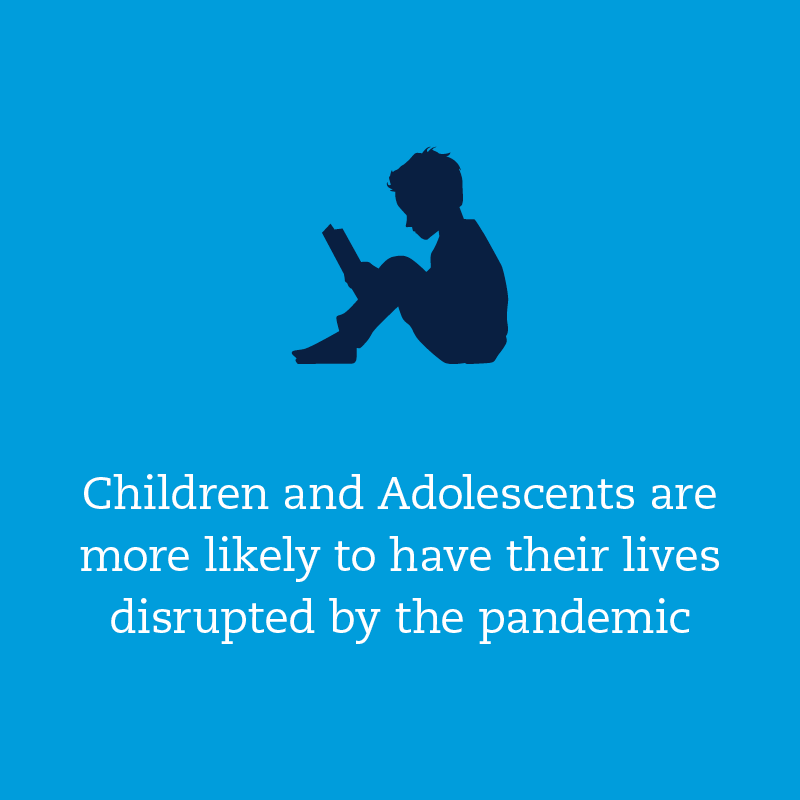
Young adults (ages 18–24) have been the hardest hit by the pandemic’s disruptions. A staggering 42% of this demographic meet the criteria for at least moderate depression. David Lazer, a professor of political science and computer sciences at Northeastern University and a lead researcher on the COVID States Project, explains that this is due to the "dynamic" nature of young adulthood.
"They’re finishing school, getting a job, starting a family—all things that are more likely to be disrupted by the pandemic," Lazer noted. For this cohort, the pandemic didn’t just pause their lives; it altered the very trajectory of their entry into adulthood, leading to a profound sense of "missed milestones" and future-anxiety.
Pediatric Emergencies
The crisis extends even deeper into childhood and adolescence. A pivotal study published by the Children’s Hospital of Philadelphia (CHOP) in April 2021 highlighted a paradoxical trend: while overall emergency department (ED) visits decreased during the pandemic, the proportion of visits for mental health emergencies increased significantly. Furthermore, a higher percentage of these pediatric patients required inpatient hospitalization for psychiatric care compared to pre-pandemic eras, suggesting that the cases arriving at hospitals were significantly more severe.
Seniors: A Resilient Minority
In contrast, respondents aged 65 and older reported the least impact on their mental health, with only 10% meeting the criteria for moderate or greater depression. Experts suggest that older adults may have benefited from more stable life circumstances and greater emotional resilience built over decades of navigating various life challenges.
Official Responses: Strategies for a National Recovery
Government officials and health experts are now grappling with how to scale the nation’s mental health infrastructure to meet this unprecedented demand.
The Clinical Perspective
Dr. Polina Krass, a pediatrician at CHOP and lead author of the pediatric study, expressed deep concern over the "exacerbation of pre-existing trends." She noted that even before 2020, youth mental health conditions were on the rise while access to care was diminishing. "There are also stark inequities in access to mental health care for youth from minority communities," Krass stated. "We know that COVID-19 has impacted these populations disproportionately."
The Federal Outlook
Susan Borja, Chief of the National Institute of Mental Health’s (NIMH) Dimensional Traumatic Stress Research Program, offers a more tempered perspective on the path forward. She emphasizes the concept of "natural recovery." According to Borja, while many people experience symptoms following a mass disaster, most will see those symptoms diminish as part of a natural healing process.
"Many people may experience symptoms, but those symptoms may not consistently rise to the level of severity or impairment required for a diagnosis," Borja explained. However, she acknowledged that a "significant minority" will require professional intervention to achieve full recovery.
Legislative Action
On the policy front, there is a push for structural change. The Behavioral Health Crisis Services Expansion Act (S. 1902) is currently a focal point for advocates. This legislation aims to set national standards for behavioral health services, ensuring they are available to all individuals regardless of their age, location, or ability to pay. The goal is to move away from a reactive model of mental health and toward a proactive, accessible system of crisis care.
Implications: Building a Resilient Future
The long-term implications of this data suggest that the United States is at a crossroads regarding public health. The pandemic has laid bare the inadequacies of the current mental health system, but it has also provided an opportunity for radical reform.
Individual Resilience and Agency
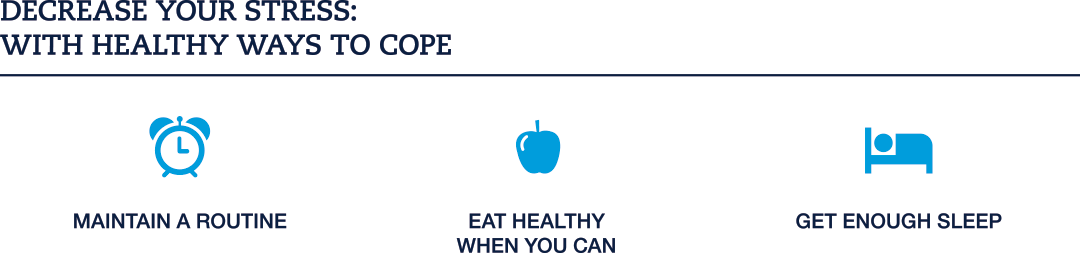
Health experts are increasingly advocating for "active recovery." Susan Borja suggests that individuals can improve their mental health by regaining a sense of control. This includes engaging in healthy coping mechanisms:
- Maintaining a consistent daily routine.
- Prioritizing sleep hygiene and physical exercise.
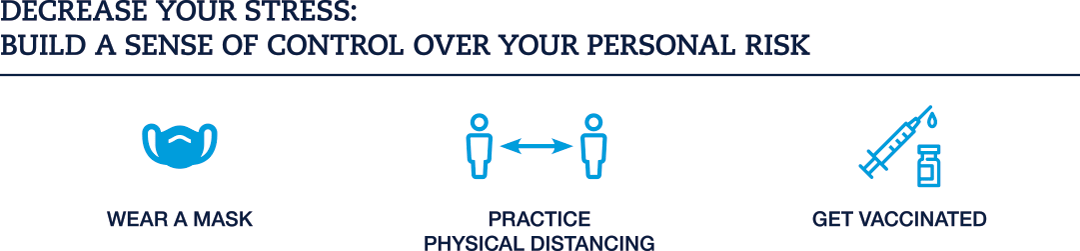
- Engaging in community efforts, such as vaccination and public health safety, which provide a sense of agency over personal risk.
The "Silver Lining"
Perhaps the most significant implication is the shifting cultural perception of mental health. Borja notes that if there is any "silver lining" to the pandemic, it is the "increased recognition of the importance of mental health and a general awareness that mental health is a significant part of public health." The stigma that once prevented many from seeking help is slowly eroding as the universality of the struggle becomes apparent.
The Path Forward
For experts like Dr. Krass, the work is only beginning. To prevent this temporary crisis from becoming a permanent fixture of American life, society must address the "social determinants of mental health," including community violence, structural racism, and economic inequality.
As we move further away from the acute phase of the viral pandemic, the success of the recovery will not be measured solely by infection rates, but by the ability of the healthcare system to heal the psychological wounds of a generation. "There is a lot of work to be done," Krass concluded. "I hope we can leverage this moment to start to make constructive changes."