






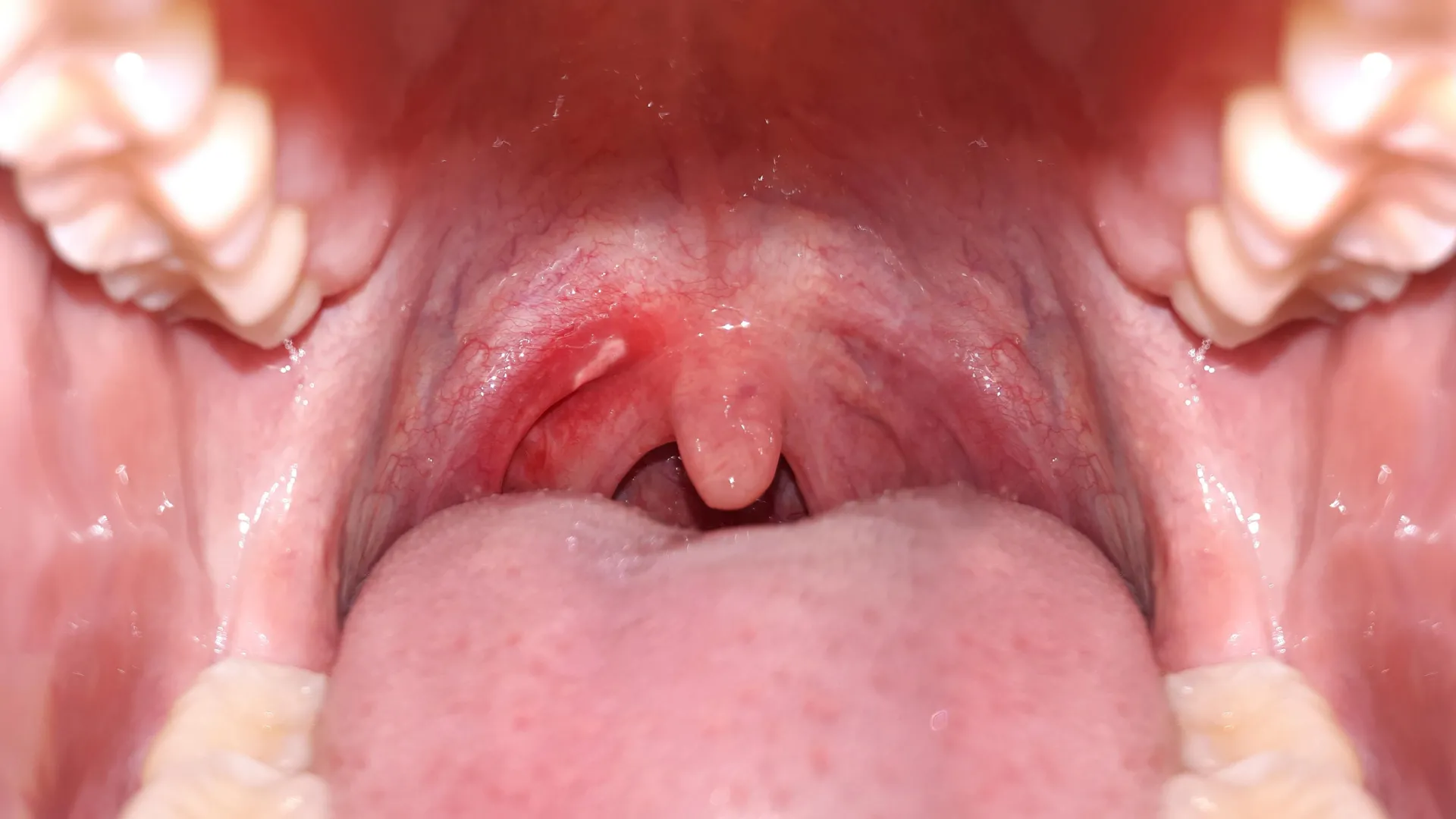
A landmark study published in the open-access journal BMJ Global Health has sounded a dire alarm regarding one of India’s most pervasive and overlooked public health crises. Researchers have determined that there is no "safe limit" for alcohol consumption when it comes to the risk of buccal mucosa cancer—the cancer of the soft tissue lining the cheeks and lips. The findings indicate that even modest daily consumption of alcohol is linked to a significant spike in cancer risk, a danger that is compounded exponentially when combined with the widespread use of chewing tobacco.
The study, which analyzed the habits and health outcomes of over 3,700 participants, suggests that the synergistic effect of alcohol and tobacco is responsible for a staggering 62% of all buccal mucosa cancer cases in India. As India continues to battle one of the highest incidences of oral cancer globally, these findings provide a stark, data-driven mandate for urgent policy intervention.
The Scale of the Crisis: A Statistical Overview
Mouth cancer has cemented its status as the second most common malignancy in India, creating a heavy burden on the nation’s healthcare infrastructure. Every year, an estimated 143,759 new cases are diagnosed, leading to approximately 79,979 deaths. With incidence rates steadily climbing, the disease now affects nearly 15 out of every 100,000 Indian men.
The prognosis for these patients remains grim. Survival rates are stubbornly low, with only 43% of those diagnosed surviving beyond the five-year mark. This poor outcome is often attributed to late-stage detection and the aggressive nature of the cancer, which frequently targets the buccal mucosa—the highly vascularized lining of the inner cheeks.
Chronology of the Research: Uncovering the Link (2010–2021)
To untangle the complex relationship between lifestyle factors and cancer development, researchers conducted a massive case-control study between 2010 and 2021. The team recruited 1,803 individuals already diagnosed with buccal mucosa cancer and compared them against 1,903 "controls"—randomly selected individuals from the same demographic who did not have the disease.
Phase 1: Data Collection and Demographic Profiling
The participants, mostly aged between 35 and 54, provided comprehensive self-reported data on their lifelong habits. Critically, nearly 46% of the cancer cases analyzed occurred in young adults between the ages of 25 and 45, highlighting that this is not merely a disease of the elderly, but a condition impacting the most productive years of the Indian workforce.
Phase 2: Mapping Consumption Habits
Researchers categorized alcohol intake into two distinct buckets: 11 internationally recognized brands (such as whisky, beer, and rum) and 30 locally brewed, often unregulated, traditional beverages (such as apong, bangla, chulli, desi daru, and mahua). Participants were interviewed regarding the duration of their habits, the frequency of consumption, and the volume of their intake, while also mapping their history of smokeless tobacco use.
Phase 3: Comparative Analysis
The data revealed a stark divide between the groups. Those with cancer reported longer durations of tobacco use (averaging 21 years versus 18 years in the control group) and higher daily alcohol consumption (37 g versus 29 g). By isolating these variables, the researchers were able to quantify the specific risk increase attributed to alcohol consumption alone, independent of tobacco usage.
Supporting Data: The Alcohol-Cancer Nexus
The results of the study are mathematically unsettling, particularly the finding that even low-level alcohol consumption is hazardous.
- The Dose-Response Curve: Even consuming less than 2 g of alcohol (equivalent to a small sip of beer) daily was associated with an increased risk of cancer.
- The One-Drink Threshold: Consuming just 9 g of alcohol—roughly the volume of one standard drink—was linked to a 50% increase in the risk of developing buccal mucosa cancer.
- The "Local Brew" Penalty: While international spirits were linked to a 72% increase in risk, locally brewed alcohols were associated with an even more alarming 87% increase. This suggests that the composition of these unregulated drinks—which can contain impurities like methanol and acetaldehyde—may act as a secondary carcinogen.
- The Synergistic Effect: Perhaps the most vital finding is the "fourfold" increase in risk for those who use both alcohol and tobacco. This interaction is so potent that the researchers estimate it accounts for nearly two-thirds of all buccal mucosa cancer cases in the country.
Why Alcohol Increases Vulnerability
The study offers a biological hypothesis for why alcohol acts as a gateway for tobacco-induced cancer. Researchers suggest that ethanol (the primary alcohol in these drinks) alters the lipid (fat) composition of the oral mucosa. By thinning or changing the integrity of this lining, alcohol makes the mouth more permeable, essentially "opening the door" for the toxic carcinogens found in chewing tobacco to penetrate deeper into the cellular tissue.
This suggests that alcohol does not just exist alongside tobacco as a bad habit; it actively enhances the lethality of tobacco products, regardless of how long an individual has been a tobacco user.
Policy Implications and Regulatory Challenges
The study highlights a significant gap in India’s legal framework. While the Indian Constitution grants individual states the power to regulate alcohol production and sale under the "State List," the market for locally brewed liquor remains largely in the shadows.
The Regulatory Void
The researchers point out that current laws are insufficient to manage the public health threat posed by unregulated, artisanal, or illicitly brewed alcohol. In some cases, these beverages have been found to contain up to 90% alcohol content, containing volatile chemical impurities that are rarely tested for safety.
Regional Disparities
The impact is not uniform across India. While the national average of cancer cases attributable to alcohol stands at 11.5%, this figure rises to roughly 14% in states such as Meghalaya, Assam, and Madhya Pradesh. These regions require targeted, localized public health interventions that specifically address the cultural prevalence of local brewing traditions.
A Call for Public Health Action
The conclusion drawn by the research team is definitive: "There is no safe limit of alcohol consumption for buccal mucosa cancer risk."
For policymakers, the path forward is clear but politically and socially complex. The study suggests that if the Indian government were to implement aggressive, evidence-based prevention strategies targeting the combined use of alcohol and tobacco, it could theoretically eliminate the majority of buccal mucosa cancer cases in the country.
Recommendations for Change
- Strict Regulation of Local Spirits: The government must move beyond current tax-focused policies to implement quality control and safety standards for all alcoholic beverages, including traditional brews.
- Integrated Public Awareness: Public health campaigns should stop treating alcohol and tobacco as separate health issues. Given their synergistic danger, messaging must focus on the "combined risk" to effectively deter dual-use behavior.
- Early Screening Programs: Given that 46% of cases occur in the 25–45 age group, national health screening programs should be expanded to reach young adults in rural areas, where the prevalence of both tobacco use and local alcohol consumption is highest.
- Legislative Reform: A more unified approach to alcohol regulation, potentially moving toward stricter federal guidelines that limit the availability and potency of high-risk, unregulated beverages, is essential.
Final Thoughts
The BMJ Global Health study serves as a sobering reminder that the "hidden" dangers of lifestyle choices—often culturally entrenched—can lead to profound human suffering. With nearly 80,000 lives lost annually to a largely preventable disease, the data provides a clarion call. The era of viewing alcohol consumption as a benign social habit must end, especially in the context of India’s unique tobacco-use landscape. The path to reducing the cancer burden is no longer a mystery; it requires the political will to confront the dual epidemics of tobacco and alcohol with the urgency they demand.