









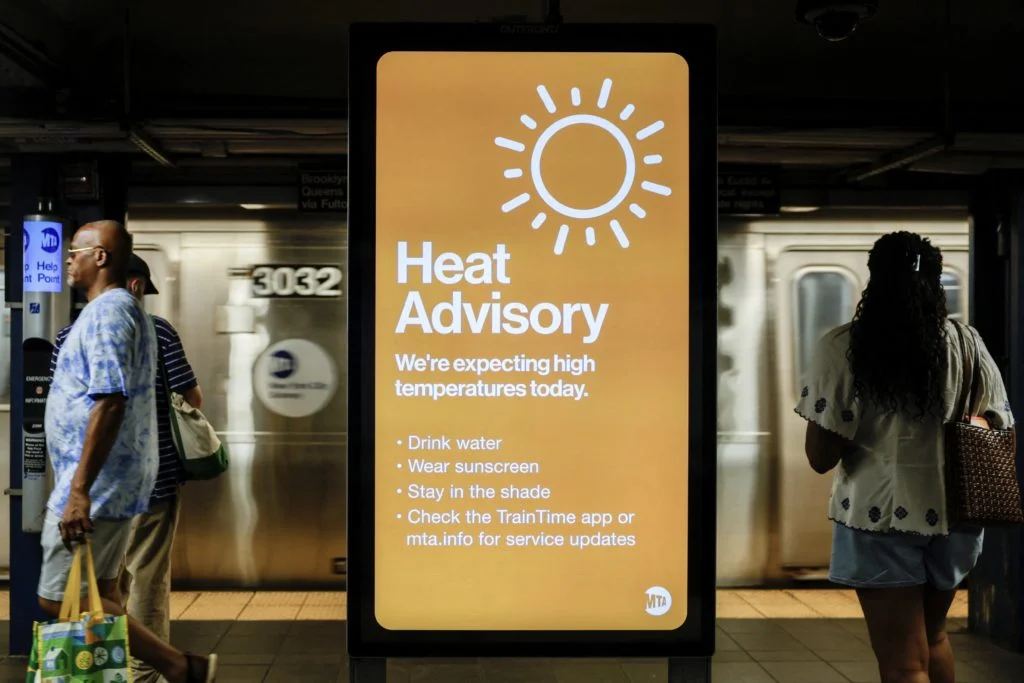
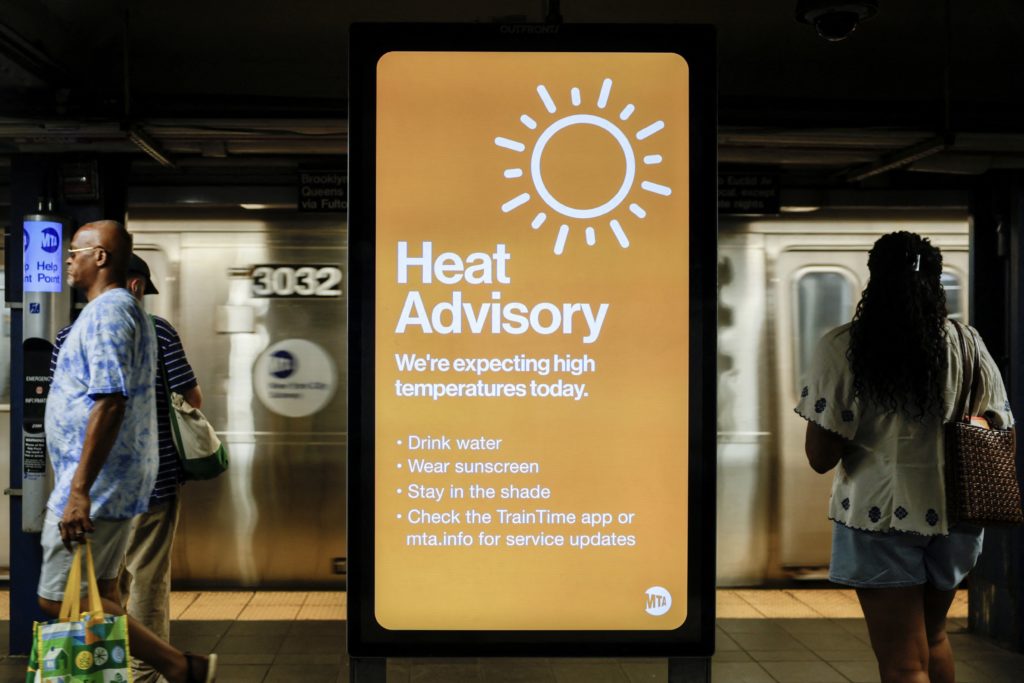
When the mercury climbs and heat wave warnings flash across our screens, the public health playbook is consistent, well-rehearsed, and undeniably vital. Authorities urge the public to increase water intake, remain vigilant for symptoms of heat stroke, and conduct wellness checks on those with pre-existing cardiovascular or respiratory conditions. While this messaging undoubtedly saves lives, it leaves a significant, silent population behind: the millions of older Americans for whom chronic pain is a daily reality.
New research suggests that our standard heat-safety protocols are missing a critical piece of the puzzle. A landmark study, recently published in Environmental Research: Health, indicates that extreme weather isn’t just a threat to internal organ function—it is a significant driver of high-impact chronic pain, particularly among adults over the age of 50.
The Intersection of Climate and Biology
For the study, public health researcher Kai Zhang and I conducted a longitudinal analysis of over 35,000 adults aged 50 and older. By tracking these individuals over two decades and correlating their self-reported pain levels with hyper-local temperature data, we sought to answer a fundamental question: Does long-term exposure to extreme temperatures—not just a single sweltering week, but sustained shifts in climate—alter the way pain interferes with daily life?
The findings are clear. Chronic pain is not merely a biological inevitability of aging; it is a condition sensitive to the environment. When the body is forced to endure prolonged periods of extreme heat or cold, the physiological burden is immense.
"High-impact chronic pain" is defined by the International Association for the Study of Pain as pain lasting at least three months that significantly limits a person’s ability to work, engage in social activities, or perform basic self-care. It is not an occasional ache; it is a life-altering force that dictates movement, rest, and autonomy. For older adults, this pain is often the primary factor leading to a loss of independent living.
Why Temperature Matters
The body maintains a delicate internal balance. When external temperatures fluctuate to extremes, the body must expend significant energy on thermoregulation. This stress can exacerbate systemic inflammation, decrease physical mobility, and disrupt sleep.
Perhaps the most insidious aspect of modern heat waves is the lack of "nighttime relief." When evening temperatures fail to drop, the body is denied the critical physiological recovery period it needs to reset. This cycle of constant stress is exactly what links climate to the onset or intensification of chronic pain.
Chronology of the Research: Two Decades of Data
To reach these conclusions, our team avoided a one-size-fits-all approach. We did not rely on a national temperature threshold. Instead, we analyzed the 10-year climate record for each individual’s specific community.
For instance, a day reaching 84°F (28.9°C) in Maine represents a significant outlier—one of the hottest 5% of days in that region. Conversely, in Houston, a 96°F (35.4°C) day is required to hit that same 5% statistical extreme. By comparing communities against their own historical norms, we captured how residents adapt—or fail to adapt—to the changing conditions of their specific environment.
The Findings
Our longitudinal analysis revealed two major trends:
- The Persistence of Cold-Induced Pain: Among the 20% of our study population living in regions with frequent extreme-cold days, reports of high-impact pain increased significantly. While humans appear to possess a short-term adaptive capacity for a single "hard winter," that resilience evaporates over years of repeated exposure to extreme cold. Chronic cold exposure leads to a cumulative degradation in physical health.
- The Socioeconomic Divide in Heat: Our findings regarding heat were starkly divided by geography and wealth. The correlation between extreme heat and new, high-impact chronic pain was most pronounced in lower-income demographics. Conversely, individuals with the financial means to modify their environment—through reliable central air conditioning, well-insulated housing, or the ability to travel during peak heat—were significantly less likely to report new onset pain.
Supporting Data: The Rural Vulnerability Gap
The data points to an uncomfortable truth: our current infrastructure for heat mitigation is almost exclusively designed for the urban environment. Cooling centers, urban tree canopy initiatives, and "heat island" mapping are all vital, but they are concentrated in metropolitan centers.
Rural residents face a distinct set of obstacles that amplify their vulnerability to climate-induced pain:
- Housing Stock: Rural homes are often older, less energy-efficient, and significantly harder to cool during heat waves.
- Economic Strain: Energy costs consume a larger percentage of income for rural households, leading to "energy poverty" where individuals avoid running air conditioning to save money.
- Healthcare Deserts: The ongoing closure of rural hospitals across the United States has left many older adults with longer distances to travel for medical intervention, making it harder to manage chronic pain proactively.
- The Aging Workforce: Agriculture relies on the oldest workforce in the nation. With the average farm producer being 58 years old, and 40% of farmland owned by those 65 or older, retirement is rarely an option. These individuals are physically active outdoors in environments that are becoming increasingly dangerous.
Official Responses and Policy Implications
The implications for public health policy are profound. As global temperatures continue to rise, the frequency of "heat weeks"—periods where heat remains extreme for days or even weeks on end—is increasing. In 2024, Phoenix, Arizona, recorded 39 consecutive days where nighttime temperatures failed to drop below 90°F (32.2°C).
We recommend three immediate shifts in how society approaches this issue:
- Integrating Pain into Climate Resilience: Public health warnings should explicitly mention that individuals with chronic pain are at higher risk during extreme weather events. This will encourage better self-monitoring and earlier medical intervention.
- Rural-Specific Infrastructure Support: Governments must pivot from urban-centric cooling models to include mobile cooling solutions, energy subsidies for rural low-income seniors, and home-weatherization programs specifically targeted at aging rural housing.
- Expanded Medical Screening: Healthcare providers, particularly in primary care and geriatric settings, must begin incorporating "environmental history" into their intake assessments. If a patient’s chronic pain worsens, doctors should ask about their home cooling capacity and exposure to extreme weather.
Conclusion: A New Standard of Care
The link between the changing climate and the physical suffering of our older population is no longer a matter of speculation—it is a matter of record. As we continue to witness the rising frequency of extreme heat events, we must broaden our scope of what constitutes a "vulnerable population."
If you have a parent or grandparent living in a region prone to heat waves—especially in a rural setting—it is time to change the conversation. Do not simply ask if they are drinking enough water. Ask about their mobility, their sleep quality, and their pain levels. The aches in their back or the stiffness in their knees may not just be a sign of aging; they may be a direct, physiological response to the changing climate.
Recognizing this connection is the first step toward building a more inclusive and effective public health strategy for a warmer, more volatile future. By acknowledging that chronic pain is a climate issue, we can better protect the dignity and independence of millions of older Americans.