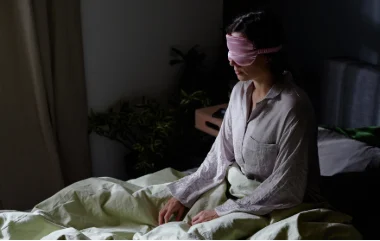












In the quiet hours of the night, the human body undergoes a complex, restorative symphony. It repairs cells, consolidates memories, clears out metabolic waste, and regulates the hormones that govern our mood and hunger. Yet, despite its role as the foundation of human physiology, sleep is frequently sidelined in the most important room in our lives: the doctor’s office.
A new report reveals a concerning trend in public health: while nearly one-third of American adults suffer from chronic sleep deprivation, 45% of the population has never discussed their sleep quality with a healthcare provider. This silence is not merely a missed opportunity for rest—it is a significant barrier to long-term health and the prevention of chronic disease.
Main Facts: The Invisible Crisis
The relationship between sleep and health is foundational, not optional. According to the American Academy of Sleep Medicine (AASM), healthy sleep is defined by four pillars: duration, quality, timing, and regularity. For the average adult, this translates to seven or more hours of consistent, high-quality sleep per night.
When these pillars crumble, the consequences are systemic. Chronic sleep deficiency is directly linked to an increased risk of heart disease, metabolic disorders such as Type 2 diabetes, clinical depression, and accelerated cognitive decline. Furthermore, the societal cost is immense; daytime sleepiness is a primary driver of preventable workplace errors and catastrophic motor vehicle accidents.
Despite these clear clinical risks, data indicates that the dialogue between patient and physician remains sparse. Gender disparities further complicate the landscape, with 49% of women reporting they have never raised the topic with a doctor, compared to 40% of men. This hesitation often results in delayed diagnoses for sleep-related disorders, leaving patients to suffer the consequences of untreated conditions that could be effectively managed with professional intervention.
Chronology of a Public Health Oversight
The evolution of sleep medicine from a niche field to a critical component of primary care has been gradual. For much of the 20th century, sleep was treated as a "lifestyle choice" rather than a vital sign.
- The Mid-20th Century: Sleep was largely misunderstood, often dismissed as a passive state. Research was limited, and the diagnostic tools for conditions like obstructive sleep apnea were in their infancy.
- The Late 1990s and Early 2000s: Epidemiological studies began to establish clear links between short sleep duration and obesity, cardiovascular disease, and immune system dysfunction.
- The 2010s: Sleep hygiene became a buzzword, yet the focus remained on self-help strategies (such as blue light reduction) rather than clinical engagement.
- 2025–2026: Current data highlights a shift in perception. While the public is more aware of the importance of sleep, the actual utilization of medical systems to address sleep disorders remains critically low. We are currently in a "diagnosis gap," where the accessibility of sleep clinics is high, but the referral pathway from primary care remains clogged by a lack of communication.
Supporting Data: By the Numbers
The statistics behind the "Sleep Gap" paint a sobering picture of our current reality:
- The 45% Statistic: Nearly half of all adults remain silent about their sleep during medical exams. This suggests that millions of people are living with undiagnosed insomnia, sleep apnea, or circadian rhythm disorders, attributing their exhaustion to "just being busy."
- The 30% Threshold: Over 30% of American adults fail to meet the recommended minimum of seven hours of sleep. This is not a temporary blip but a chronic state that alters physiological performance.
- The Gender Gap: The higher rate of silence among women (49% vs 40%) suggests that societal expectations or the dismissal of fatigue as a "normal" part of life may be impacting women’s access to specialized care.
- Health Outcomes: Patients with untreated sleep apnea have a significantly higher risk of hypertension, stroke, and arrhythmias. Similarly, insomnia is often a precursor to, or a symptom of, major depressive disorders.
Official Responses and Clinical Perspectives
Medical professionals acknowledge that the burden of initiating these conversations should be shared. The AASM and other health organizations are currently advocating for "Sleep as a Vital Sign," encouraging doctors to integrate sleep history into routine physicals—much like blood pressure or weight.
Dr. Aris Thorne, a specialist in sleep medicine, notes: "Many patients assume that if they aren’t explicitly asked about their sleep, it isn’t an issue worth mentioning. They view their snoring or their morning grogginess as a personality quirk rather than a health indicator. When we finally get them into the office, the transformation in their quality of life—once they receive appropriate CPAP therapy or behavioral intervention—is often profound."
However, physicians often struggle with time constraints. A standard 15-minute primary care visit rarely leaves room for a deep dive into sleep architecture. To bridge this, organizations are pushing for the use of pre-visit screeners. By utilizing standardized sleep quizzes and digital sleep diaries, patients can provide data that allows the doctor to triage the issue quickly, making the limited consultation time significantly more effective.
Implications: The Path Forward
The implications of ignoring sleep health are, quite literally, life-threatening. Beyond the immediate dangers of sleep-deprived driving or poor decision-making at work, the long-term impact on the brain and heart can be irreversible.
Changing the Narrative
The first step toward improvement is overcoming the mental hurdle that sleep is "optional." It is not. It is a biological necessity. To facilitate this change, experts recommend that patients stop waiting for their doctor to ask and instead prepare a few strategic questions:
- "Is it normal to feel this tired even after getting seven hours of sleep?"
- "I wake up frequently throughout the night; could this be affecting my blood pressure?"
- "I’ve been told I snore or gasp for air; should I be tested for sleep apnea?"
The Role of Lifestyle vs. Clinical Treatment
Not every sleep issue requires a sleep lab. For many, improvement begins with "sleep hygiene"—the intentional modification of daily habits. This includes setting a strict wake-up time, limiting caffeine intake to the morning hours, and creating a sensory-friendly bedroom environment.
However, for those with obstructive sleep apnea or chronic insomnia, lifestyle changes alone are insufficient. In these cases, medical intervention is necessary. Whether it is cognitive behavioral therapy for insomnia (CBT-I) or CPAP therapy for breathing issues, modern medicine offers highly effective solutions that restore not just the hours of sleep, but the quality of life during waking hours.
A Call to Action
The medical community is sending a clear message: "If you are tired, don’t ignore it." If your sleep doesn’t feel restorative, if you wake up with a headache, or if you feel a persistent "brain fog" throughout the day, these are signals. They are not merely annoyances; they are clinical data points.
The next time you sit in the exam room, take the lead. You don’t need complex medical terminology to start the conversation. A simple, "I don’t feel like my sleep is right, and I’m concerned about my constant fatigue," is often all it takes to trigger the necessary referrals and investigations.
Sleep is the third pillar of health, standing alongside nutrition and physical activity. It is time we treat it with the same clinical rigor, the same curiosity, and the same urgency. Your health depends on it.