








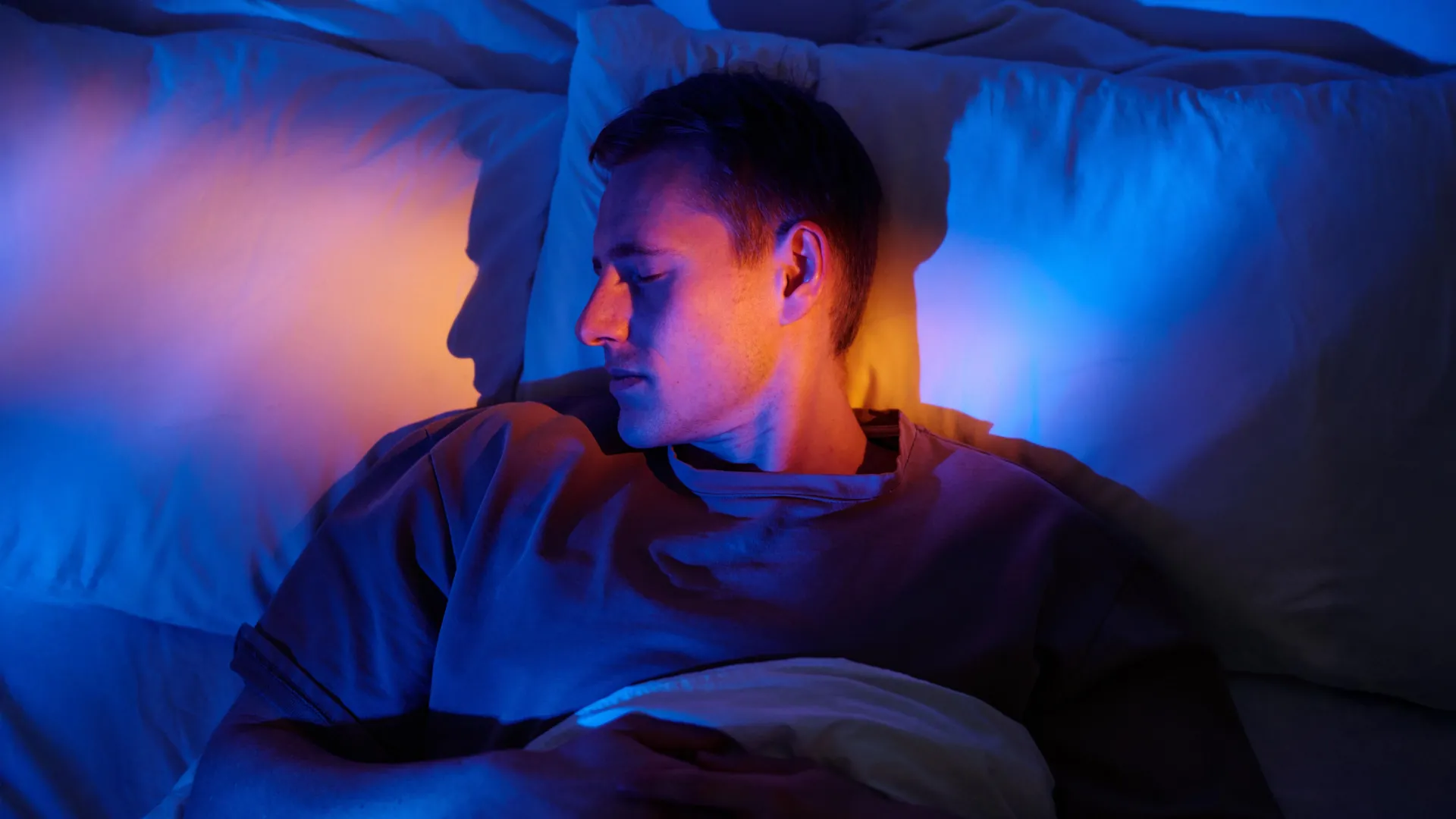
In an era defined by artificial illumination, the boundary between day and night has become increasingly blurred. From the blue-light-emitting screens of our smartphones to the pervasive glare of urban light pollution, modern humans are rarely in total darkness. While the biological consequences of sleep disruption are well-documented, a groundbreaking study published on September 9 in the European Heart Journal suggests that the impact of nocturnal light goes far deeper than mere fatigue. Researchers have discovered that exposure to light at night is linked to structural and functional changes in the heart, identifying a new, silent environmental factor in the development of cardiovascular disease.
The Study: Investigating the Cardiac Cost of Light
The research, spearheaded by Professor Lu Qi of Tulane University in New Orleans, represents a significant leap forward in our understanding of environmental health. For years, observational studies have hinted at a correlation between nighttime light exposure and an increased risk of cardiovascular events, but the biological mechanisms—specifically the physical changes occurring within the cardiac muscle—remained a mystery.
"Previous observational studies have linked nighttime light exposure with a higher risk of cardiovascular disease, but little is known about the related cardiac structure and functional changes," Professor Qi explained. "We carried out this research to find out what happens to the heart over time when people are exposed to too much light at nighttime."
To bridge this knowledge gap, the research team utilized data from the UK Biobank, a large-scale biomedical database. By analyzing a cohort of 11,071 participants, the researchers established a rigorous framework to track the long-term effects of light on human physiology.
Chronology of the Research
The study was conducted in several distinct phases, ensuring that the data was both robust and temporally significant:
- Phase 1: Baseline Monitoring (The Seven-Day Window): Each of the 11,071 participants was equipped with a wrist-worn light sensor. These devices continuously measured the intensity and duration of light exposure over a seven-day period. This provided a high-resolution snapshot of each participant’s typical nighttime environment.
- Phase 2: The Three-Year Interval: Following the initial monitoring phase, researchers allowed a three-year period to elapse. This longitudinal approach was critical, as it allowed the team to observe the progression of heart health over time, rather than relying on a cross-sectional snapshot that could be influenced by transient factors.
- Phase 3: Cardiac Imaging: At the three-year mark, participants underwent sophisticated cardiac MRI scans. These images provided an unprecedented level of detail, allowing cardiologists to examine the structure of the heart’s chambers and evaluate the efficiency of the cardiac muscle during its contraction and relaxation cycles.
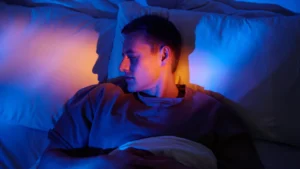
- Phase 4: Comparative Analysis: The researchers categorized participants based on their light exposure, specifically comparing those who slept in environments with light levels above three lux—roughly the intensity of moonlight or a very dim streetlamp bleeding through a window—with those who enjoyed near-total darkness.
Supporting Data: Findings Within the Chamber
The results of the MRI analysis were striking, revealing that the heart is not immune to the ambient light of the modern bedroom.
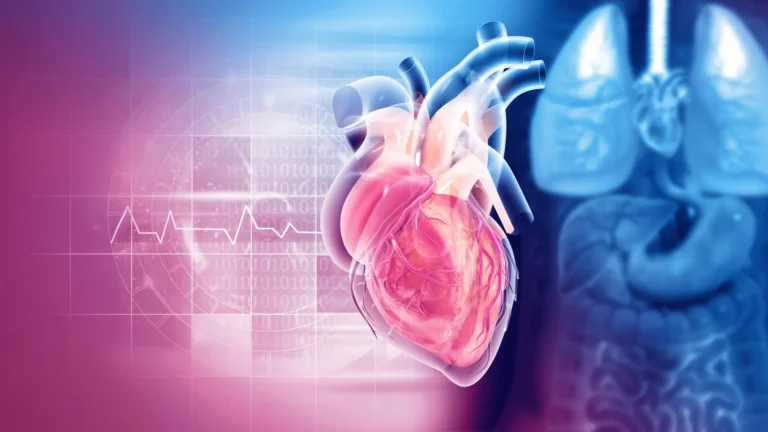
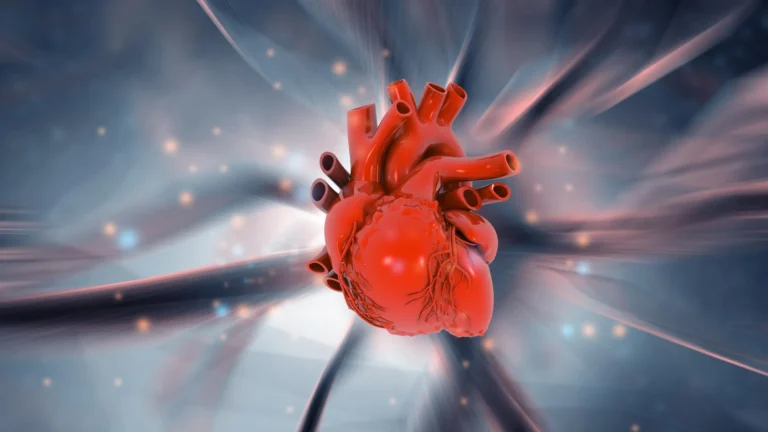
The most concerning discovery was the thickening of the wall of the left ventricle. The left ventricle is arguably the most critical chamber of the heart, responsible for pumping oxygenated blood throughout the entire body. As the wall of this chamber thickens, the internal volume of the ventricle decreases, forcing the heart to work significantly harder to maintain adequate cardiac output.
Furthermore, the scans demonstrated a marked reduction in the heart’s flexibility. The muscle’s ability to "flex" or stretch during each heartbeat is vital for efficiency; when this flexibility is compromised, the heart becomes less effective at circulating blood. This stiffening, often described as "cardiac remodeling," is a hallmark of the body’s maladaptive response to chronic stress or physical injury.
Beyond the left ventricle, researchers noted similar, albeit distinct, changes in the right ventricles and left atria. Collectively, these findings paint a picture of a heart undergoing a structural transformation—a process that, over time, can pave the road to heart failure.
Official Responses and Clinical Interpretation
The medical community has responded to these findings with a mix of concern and a call to action. Professor Lu Qi emphasizes that this is the first study to establish a direct link between nocturnal light and cardiac remodeling.
"This is the first study of its kind, and it shows that exposure to higher levels of light at nighttime is linked to cardiac remodeling," says Professor Qi. "This is where the structure and function of the heart changes, and we typically see it in response to chronic stress or injury to the heart. It’s our body’s way of adapting to that stress, but ultimately it weakens the heart and can lead to heart failure."
The study was accompanied by a powerful editorial written by Professor Thomas Münzel of the University Medical Center Mainz, Germany, and his colleagues. They argued that the medical profession must treat the bedroom environment as a legitimate clinical variable.
"It is time for clinicians, particularly those managing patients with heart failure or atrial fibrillation, to start asking about the sleep environment: how dark the bedroom is, whether the patient works night shifts, and how much screen use occurs after sunset," the editorial noted. The authors emphasized that the solution is not necessarily high-tech medicine, but rather behavioral and environmental modifications.
Implications for Public Health and Urban Policy
The implications of this research extend far beyond the individual’s bedroom. If light pollution is indeed a silent architect of cardiac disease, then urban planning and environmental policy become vital components of preventative cardiology.
The Power of Simple Solutions
For the individual, the researchers suggest low-cost, high-impact changes. Simple measures such as:
- Blackout Curtains: Blocking external light pollution from entering the bedroom.
- Warm-Coloured Lighting: Replacing cool, blue-spectrum bulbs with warm-spectrum lights that are less disruptive to the circadian rhythm.
- Device Management: Covering the standby LEDs on electronics or eliminating screen use entirely in the hours leading up to sleep.
The Urban Responsibility
On a broader scale, Professor Münzel and his colleagues argue that light pollution is a unique environmental hazard because it is entirely within our control. Unlike air pollution, which requires complex international cooperation to mitigate, light pollution can be addressed through smarter municipal infrastructure.
"Shielded fixtures, warm-spectrum bulbs, and dimming or motion-activated streetlights are already available, energy-efficient, and climate-friendly," the editorial argues. By adopting these technologies, cities can reduce the "dose" of light their populations are exposed to every night.
Conclusion: Darkness as a Vital Sign
The conclusion drawn by the research team and the accompanying editorial is clear: the relationship between light and heart health is "biologically coherent." The dose-response relationship—where more light exposure leads to more severe cardiac changes—is unambiguous.
As we continue to build brighter, more connected cities, we must remain mindful of the physiological cost of this constant illumination. The study provides a crucial link between the satellite view of our glowing planet and the clinical reality occurring inside our chests.
The takeaway from this study is perhaps the most profound of all: darkness should be recognized as a "vital sign," as essential to the maintenance of cardiovascular health as blood pressure monitoring, cholesterol management, and clean air. In a world that rarely turns off the lights, the simple act of creating a dark sanctuary for sleep may be one of the most effective ways to protect the heart from the slow, structural erosion of modern life.