









In the modern era of medicine, we have been conditioned to view the body as a machine that inevitably breaks down—a collection of gears and circuits that require external, synthetic intervention to function. We rely on pills to suppress pain, dampen inflammation, and mask the symptoms of systemic dysfunction. However, a burgeoning field of medical science suggests that we have been looking at health through the wrong lens.
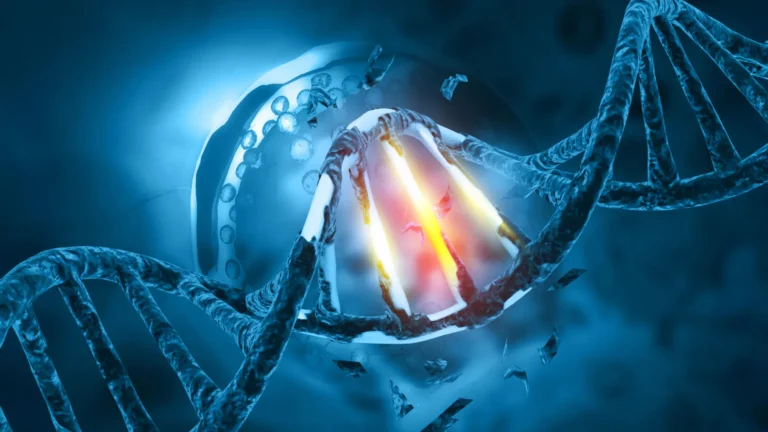
The human body is not a machine; it is a complex, biological communication network. At its heart, this network relies on a sophisticated language of signaling molecules known as peptides. These tiny chains of amino acids—the building blocks of proteins—are the instructions that tell our cells when to heal, how to repair, and when to regenerate.
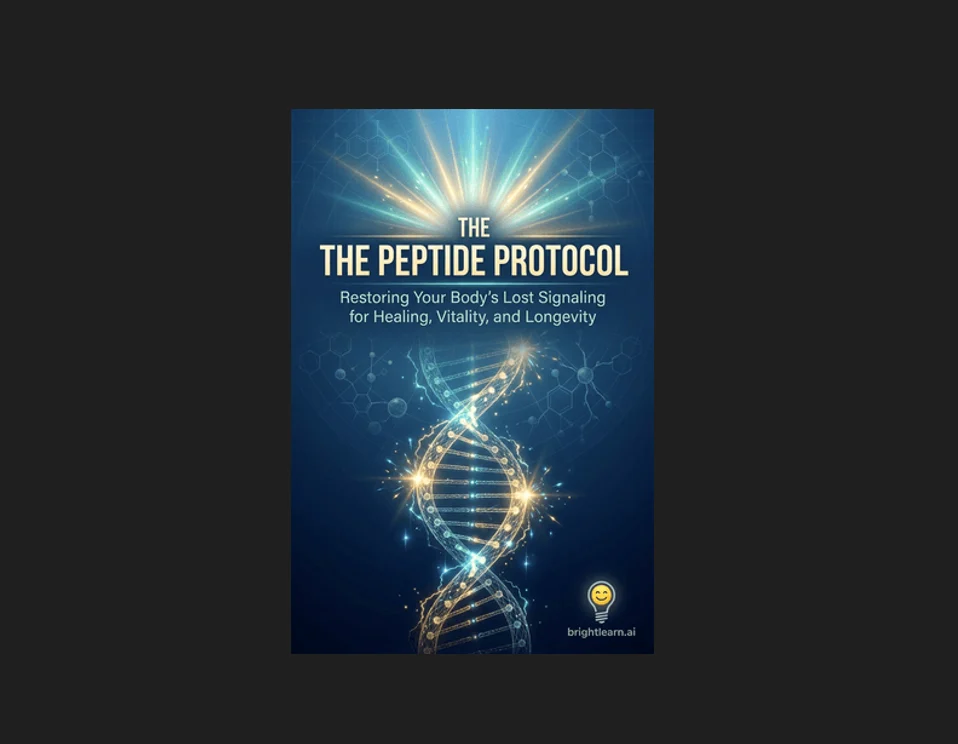
A provocative new publication, The Peptide Protocol: Restoring Your Body’s Lost Signaling for Healing, Vitality, and Longevity, posits that chronic disease is not an inevitable outcome of aging, but rather a "communication breakdown" caused by environmental interference. By restoring these original signaling pathways, proponents argue, we can unlock a level of vitality previously thought impossible.
The Biological Foundation: Understanding Peptide Signaling
To understand the promise of peptide therapy, one must first appreciate the scale of cellular communication. Every single day, your body produces over 30,000 distinct peptide signals. These signals act as the "software" that runs the "hardware" of your organs, tissues, and immune system.
When you are young, your body’s signaling is clear and efficient. However, the modern world is a hostile environment for this delicate biological language. Exposure to processed foods, microplastics, electromagnetic pollution, and a persistent "toxic soup" of environmental chemicals acts as noise that jams these signaling frequencies. When the body can no longer send clear instructions for repair, chronic inflammation sets in, and the seeds of disease begin to germinate.
Unlike traditional pharmaceuticals, which often work by "blocking" receptors or hijacking biological processes with brute-force chemicals, peptides are native to the body. They are essentially the body’s own alphabet. By introducing specific peptides, we are not forcing the body to do something unnatural; we are providing it with the missing instructions it needs to perform its innate functions.
Chronology of Discovery and The Case of BPC-157
The history of peptide research is extensive, though largely overshadowed by the rise of the pharmaceutical-industrial complex. While Western medicine focused on patented, synthetic drugs, researchers in Russia and Eastern Europe spent decades exploring the therapeutic potential of endogenous peptides.
One of the most notable success stories is BPC-157 (Body Protection Compound). Originally discovered in human gastric juice, this peptide has demonstrated an extraordinary ability to act as a master regulator of healing. BPC-157 works by upregulating growth factors that stimulate angiogenesis—the growth of new blood vessels. By restoring the "plumbing" that delivers oxygen and nutrients to damaged tissues, BPC-157 has allowed for tissue repair in areas of the body that previously lacked the blood flow necessary to heal.
A Timeline of Clinical Application
- 1990s–2000s: Initial studies in Eastern Europe identify the protective and regenerative properties of gastric-derived peptides.
- 2010s: The emergence of "biohacking" and performance medicine in the U.S. brings these peptides to the attention of elite athletes.
- 2020s: Growing awareness of the "gut-brain-systemic axis" leads to widespread adoption of peptide protocols to address autoimmune conditions and chronic fatigue.
The anecdotes are compelling. Elite athletes, once facing career-ending tendon ruptures, have returned to competition within months of starting targeted peptide protocols. One case study involved a marathon runner suffering from chronic plantar fasciitis—a condition that had resisted eight months of conventional medical intervention. Within three weeks of using BPC-157, the athlete was pain-free; six months later, she achieved a personal record. These are not miracles; they are, as the authors of The Peptide Protocol suggest, "biology restored to its original design."
The Conflict: Pharmaceutical Profits vs. Biological Restoration
The primary hurdle to the widespread adoption of peptide therapy is not a lack of evidence, but a fundamental conflict of interest. The pharmaceutical-industrial complex is built on a "symptom management" model. Lifelong prescriptions for chronic conditions generate hundreds of billions of dollars in revenue. A cure—or even a preventative measure that restores systemic health—is diametrically opposed to this business model.
Critics of the current medical establishment argue that the suppression of peptide knowledge is deliberate. The U.S. Food and Drug Administration (FDA) has frequently cited "safety concerns" as a rationale for restricting access to various peptides, often ignoring the decades of safe, clinical use observed in other parts of the world.
According to experts like Diane Kazer, who has extensively documented the benefits of peptide therapy for cardiovascular health and injury recovery, the medical establishment has no incentive to promote therapies that are cheap, effective, and difficult to patent. When you can restore the body’s own signaling, you stop needing the patented drugs that form the backbone of the trillion-dollar pharmaceutical empire.
Ground Zero: The Gut and Systemic Health
The gut is the command center for this biological conversation. A "leaky gut" (intestinal permeability) creates a state of systemic inflammation that touches every organ in the body. When the gut lining is compromised, toxins and undigested particles enter the bloodstream, triggering autoimmune conditions, metabolic chaos, and even neurological issues like "brain fog."
Peptide protocols often begin by healing the gut lining. By using peptides like BPC-157 to upregulate tight junction proteins—specifically occludin and claudin—the body can seal the leaks in the gut barrier. When this is paired with KPV (a potent anti-inflammatory tripeptide) and Lorazetide, the results can be transformative.
This approach offers a stark contrast to common treatments for metabolic disorders, such as Ozempic. While Ozempic has gained popularity for weight loss, it carries significant risks, including black box warnings for thyroid cancer, pancreatitis, and severe muscle wasting. Conversely, proponents of peptide stacks—such as Epitalon (for longevity), GHK-Cu (for cellular repair), and MK-677 (for growth hormone support)—argue that these molecules work in harmony with the body’s endocrine system, providing a safer, smarter alternative.
Implications: Taking Charge of Your Health
The transition from "passive patient" to "health authority" is the central theme of the current movement toward self-directed medicine. We are living in an era where the democratization of information allows individuals to bypass the gatekeepers who profit from their illness.
Why This Matters:
- Restoring Autonomy: By understanding the signaling language of the body, individuals can move beyond the "take this pill for that symptom" model.
- Decentralizing Knowledge: Platforms like BrightLearn.AI are empowering people to access, share, and even create educational content that challenges the institutional status quo.
- Long-Term Vitality: Peptide therapy offers a shift from merely surviving to actively regenerating, which is the cornerstone of longevity.
The path toward better health is no longer a secret kept behind the doors of medical boardrooms. It is encoded in our own physiology. As we learn to listen to the 30,000 signals our body sends us every day, we gain the ability to respond.
The choice before us is clear. We can continue to rely on a broken system that prioritizes profitability over patient wellness, or we can embrace the science of restoration. The signaling is already happening. It is time for us to listen, respond, and take the wheel of our own biological destiny.
Further Reading and Resources
For those looking to dive deeper into the science and application of these therapies, The Peptide Protocol: Restoring Your Body’s Lost Signaling for Healing, Vitality, and Longevity serves as a foundational text. It is available for those who wish to educate themselves on the practical steps required to restore their internal communication pathways.
To learn more about how peptide therapy is influencing cardiovascular health, cognition, and longevity, readers are encouraged to view the discussion between Dr. Diane Kazer and the Health Ranger, Mike Adams, available on Brighteon.com.
In the age of information, ignorance is a choice. The tools for healing have always been within us—now, the knowledge to use them is finally within our reach.
Disclaimer: This article is for informational purposes only and does not constitute medical advice. Always consult with a qualified healthcare professional before beginning any new treatment or supplement protocol.