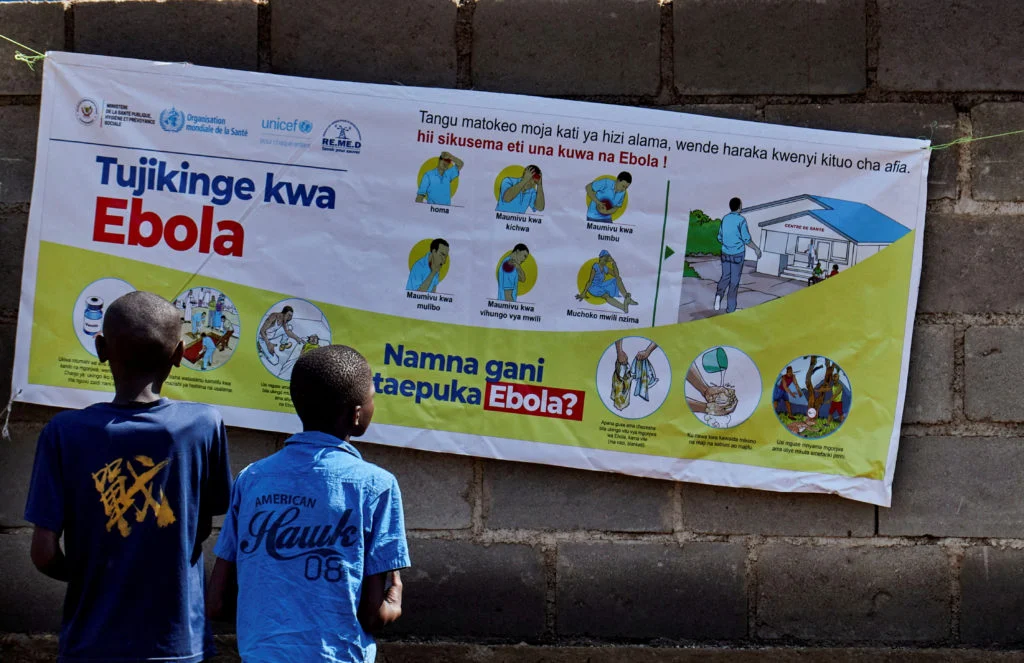
MONGBWALU, Congo — In the shadow of the gold-rich mines of Ituri province, a different, more lethal extraction is underway. Dr. Richard Lokudu, the medical director of the Mongbwalu General Referral Hospital, navigates a landscape defined by exhaustion, scarcity, and the encroaching silence of a deadly epidemic. As the Bundibugyo strain of the Ebola virus tears through the region, the men and women tasked with halting its progress are finding themselves on the front lines of an impossible war, often working without pay, basic protection, or adequate logistical support.
The crisis in Mongbwalu is not merely a medical emergency; it is a profound systemic failure. As the virus spreads, it highlights the fragility of a healthcare infrastructure that has been hollowed out by years of neglect, conflict, and a chronic lack of investment.
The Anatomy of an Outbreak: Main Facts
The current outbreak, identified as the rare Bundibugyo strain, has blindsided health authorities. Because the virus spread silently for weeks before detection, it managed to establish a firm foothold in one of the most challenging environments for disease control in the world.
Ebola, which transmits through direct contact with the bodily fluids of the infected—sweat, blood, vomit, and feces—finds a perfect breeding ground in Mongbwalu. The town is a magnet for labor, with thousands of workers descending upon gold mines. Here, the living conditions are precarious: crowded camps, narrow, unhygienic pits, and a lack of basic sanitation. These factors, combined with deep-seated community skepticism toward medical intervention, have created a "perfect storm" for transmission.
As of the latest reports from the Congolese health ministry, there have been 488 confirmed cases, resulting in 86 deaths. The surge in cases—including 71 recorded in a single 24-hour period—signals a phase of aggressive community transmission that has outpaced the existing response capacity.
Chronology of a Crisis
The timeline of this outbreak is a study in the dangers of delayed detection.
- Mid-May: The Congolese Ministry of Health officially confirms the outbreak. By this time, however, the virus has already been circulating for weeks. Hospitals in the region were initially ill-equipped to test for the Bundibugyo strain, leading to misdiagnoses and the continued movement of infected individuals.
- Late May: The virus establishes itself in the mining hub of Mongbwalu. The high mobility of miners ensures that the virus is transported across provincial lines, complicating contact tracing.
- Early June: The World Health Organization (WHO) and other international aid agencies scramble to establish isolation units. However, supply chains for personal protective equipment (PPE)—masks, gloves, and boots—are severely disrupted.
- Current Status: The outbreak has now crossed international borders, with Uganda reporting 19 confirmed cases and two deaths, forcing a regional mobilization of resources.
Supporting Data: A System Under Strain
The statistics emanating from Ituri province paint a grim picture. The mortality rate, while fluctuating, remains alarmingly high given the lack of an approved vaccine or specific antiviral treatment for the Bundibugyo strain.
"There has been an erosion of the health system," says Heather Kerr, country director for the International Rescue Committee in Congo. "There has not been investment in the health system, and this has been going on for years."
The "erosion" is visible in the daily lives of hospital staff. Nurses like Alice Bamuhinga report working weeks without returning home, subsisting on single, meager meals. The hospital, intended to be a sanctuary, has become a site of fear. Many residents, influenced by misinformation, view hospitals as death traps, choosing to hide their sick rather than seek treatment. This delay in seeking care significantly reduces the chances of survival and increases the risk of household transmission.
For those like Asero Jeanne, who lost two children to the virus, the tragedy is compounded by the stigma and fear surrounding the facility. "I saw about 20 people die," Jeanne said. "I watched them being taken to the morgue, yet God is allowing me to leave here alive."
The Failure of Compensation and Support
At the heart of the crisis is a moral and operational failing: the treatment of frontline health workers. Dr. Lokudu, like many of his peers, has received little to no financial compensation for his work.
"I have not received my allowance," Lokudu told the Associated Press. "Despite all the infection prevention and control measures we are implementing, we do not know what may happen."
The absence of salary payments is not just an administrative oversight; it is a deterrent to retention. Many workers, faced with the constant risk of infection and the physical toll of 24-hour shifts, are becoming disillusioned. The lack of government responsiveness to these issues has left a vacuum often filled by private agencies, but the scale of the crisis requires a centralized, robust response that is currently lacking.
Official Responses and Strategic Plans
On Friday, WHO Director-General Tedros Adhanom Ghebreyesus launched a $518 million response plan. The strategy emphasizes three pillars: political commitment, sustained financing, and community engagement.
"Containing Ebola depends on political commitment, sustained financing, and the trust and engagement of communities," Tedros stated.
While the funding is a necessary step, the implementation of such a plan faces significant hurdles. The Congolese government has been slow to provide comment, and the logistical challenges of transporting supplies into the conflict-ridden eastern provinces are immense. The presence of the M23 rebel group and various Islamist militant factions further complicates the delivery of aid. In many instances, the insecurity prevents medical teams from accessing affected areas to investigate alerts, meaning that the true scale of the outbreak is likely higher than official figures suggest.
Implications: The High Cost of Inaction
The implications of the Mongbwalu outbreak extend far beyond the borders of Ituri. If the international community and the Congolese government cannot secure the front lines, the potential for a larger, regional epidemic is high.
1. The Human Cost
The primary victims are the impoverished laborers and their families who have no access to private healthcare or safe living conditions. Their deaths represent a loss of life that is fundamentally preventable.
2. The Economic Impact
Gold mining is the backbone of the local economy. With the outbreak forcing closures and creating panic, the regional economy is stalling. The long-term loss of life and the subsequent burden on households will set back development in Ituri by years.
3. Geopolitical Stability
Ebola, when left to rage in conflict zones, exacerbates existing tensions. As resources become scarce, the competition for aid and the perception of government abandonment can fuel civil unrest. The presence of armed groups already threatens the stability of the region; an uncontained health crisis could act as a catalyst for further violence.
4. Public Health Trust
The skepticism displayed by the public is a symptom of a broader breakdown in the social contract. When the state fails to protect its citizens from disease, or when health workers are left unpaid, the credibility of medical intervention is lost. Rebuilding this trust will be as difficult, if not more so, than the medical task of treating the virus.
Conclusion
The story of Mongbwalu is a reminder that epidemics are rarely just medical events; they are political and social ones as well. As Dr. Lokudu and his exhausted staff continue to treat patients with limited resources, they are holding together a crumbling system.
"People are sacrificing their rest and comfort for this cause," Lokudu remarked. "There should be recognition that they deserve compensation. These workers should receive their salaries regularly."
Without a rapid infusion of support, consistent pay for frontline staff, and a massive investment in community trust-building, the virus will continue to find its way through the mines and villages of the Congo. The global health community is watching, but for those in the isolation wards of Mongbwalu, the only thing that matters is the next hour—and whether they will have the gloves, the medicine, and the support they need to survive another day.