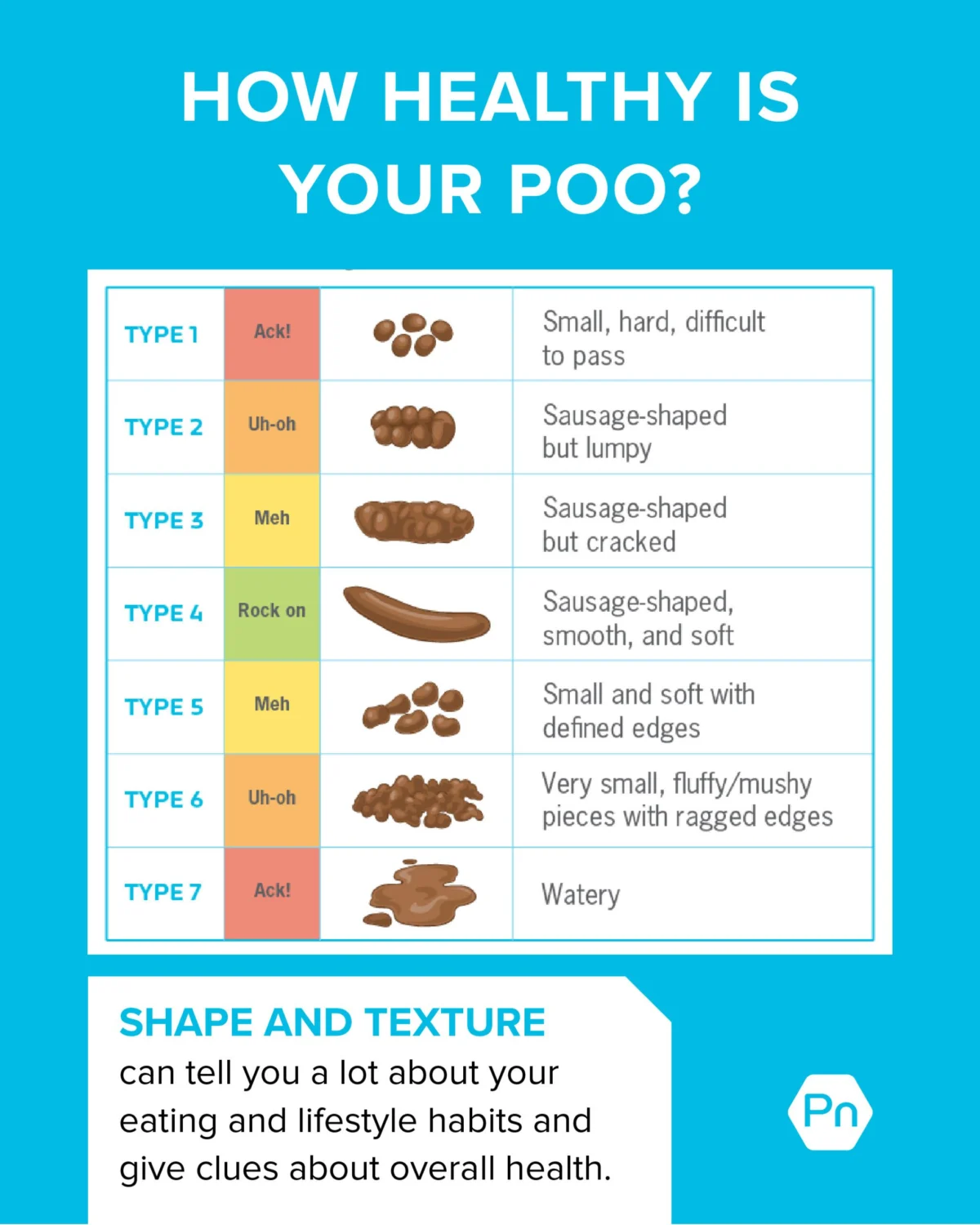
For millions of people worldwide, the simple act of eating is a high-stakes gamble. Irritable Bowel Syndrome (IBS), a chronic condition characterized by abdominal pain, gas, and unpredictable bowel habits, has become more than just a medical diagnosis—it is a life-altering reality that dictates the daily schedules, social interactions, and mental well-being of nearly 14 percent of the global adult population.
New research underscores the severity of this burden. A study of nearly 2,000 people living with IBS revealed a startling statistic: many patients would be willing to sacrifice 10 to 15 years of their life expectancy in exchange for an instant, permanent cure. In a separate, equally sobering inquiry, patients indicated a willingness to accept a one percent risk of sudden death if it meant permanently eradicating their symptoms. These findings highlight the desperation felt by those whose lives are siphoned by chronic pain and the pervasive anxiety of "flare-ups."
The Anatomy of a Functional Disorder
Historically, the medical community struggled to categorize IBS. Because diagnostic imaging—such as colonoscopies and CT scans—often showed no visible inflammation, ulcers, or structural damage, many practitioners previously dismissed the condition as "all in the patient’s head."
This perspective has undergone a paradigm shift. Experts now classify IBS as a functional neuro-gastrointestinal disorder. The architecture of the gut remains intact, but the communication between the brain and the gut is dysfunctional. Essentially, the nerves lining the gastrointestinal (GI) tract are hypersensitive or hyper-reactive. In an individual with IBS, the brain may interpret normal digestive movements as intense pain, or the gut muscles may contract with such force—or such lethargy—that they trigger diarrhea or chronic constipation.
A Spectrum of Symptoms
Because IBS is a spectrum, no two patients present the same way. The condition is broadly categorized into four types based on stool consistency:

- IBS-D: Predominantly diarrhea.
- IBS-C: Predominantly constipation.
- IBS-M: A mix of both.
- IBS-U: Unclassified or unsubtyped.
This variability is exactly why diagnosis is complex. A clinician must first rule out "red flag" conditions—such as Celiac disease, Crohn’s disease, inflammatory bowel disease (IBD), and colorectal cancer—before confirming an IBS diagnosis.
The Mental Toll: Gastrointestinal-Specific Anxiety
Perhaps the most debilitating aspect of IBS is "gastrointestinal-specific anxiety." This is a state of constant, low-level (or high-level) dread regarding the next flare-up. Many sufferers plan their entire existence around the proximity of a clean, private restroom. This fear leads to the avoidance of restaurants, travel, social gatherings, and even physical exercise.
Research consistently shows that individuals with IBS report a lower quality of life than those suffering from serious chronic conditions like heart disease or diabetes. The constant, unpredictable nature of the pain creates a psychological feedback loop where stress worsens gut function, and gut function creates more stress.
Strategies for Relief: A Multi-Disciplinary Approach
While there is no "cure-all," Sarah Maughan, a PN Super Coach certified through Monash University, emphasizes that lifestyle intervention is the cornerstone of effective management. Maughan notes that the goal is not to eliminate all symptoms overnight, but to "calm GI anxiety and allow people to live the lives they want."
1. The Power of Movement
Physical activity acts as a regulator for the gut-brain axis. Clinical studies have shown that moderate walking, performed three times weekly, can significantly reduce bloating and abdominal pain within 12 weeks. Exercise appears to lower cortisol levels, improve the diversity of the gut microbiome, and promote more efficient digestive transit.

2. Nervous System Regulation
Stress management is not about "stopping stress," which is an impossible task in modern life. Instead, it is about shifting one’s response to it. Techniques such as mindfulness, deep breathing, and focusing on one’s "sphere of control"—prioritizing what you can change while accepting what you cannot—can prevent the surge of stress hormones that trigger GI flare-ups.
3. The Art of Mindful Eating
"Slow eating" is a deceptively simple yet potent strategy. By increasing the number of times food is chewed, individuals reduce the mechanical load on the stomach. Furthermore, eating in a calm, undistracted environment prevents the "fight-or-flight" response, which is known to inhibit proper digestion and exacerbate pain.
4. Sleep Hygiene and Recovery
IBS is often a thief of sleep, leading to cycles of fatigue that make pain perception more acute. Improving sleep quality through consistent routines—such as foam rolling, meditation, or avoiding heavy meals late in the evening—can help stabilize the body’s internal clock and reduce inflammation.
5. Investigative Nutrition
Diet is highly individual. While certain categories—such as high-FODMAP foods (fermentable carbohydrates like onions, garlic, and wheat), caffeine, alcohol, and high-fat foods—are common triggers, they are not universal. An elimination diet is often the most effective "science experiment" a patient can perform. By removing potential triggers for a few weeks and reintroducing them one by one, individuals can identify their specific sensitivities without resorting to unnecessarily restrictive, lifelong diets.
The Role of the Health Coach: Staying in Scope
For health coaches, navigating the intersection of IBS and lifestyle change requires strict adherence to professional boundaries. A coach can be a vital partner in implementing the changes recommended by a doctor, but they must avoid the pitfalls of medical practice.

Key Guidelines for Coaches:
- Encourage Professional Diagnosis: Always ensure the client has seen a medical professional to rule out serious pathology.
- Avoid Prescriptive Dieting: Do not create a "cure-all" meal plan. Instead, guide the client through the process of tracking and experimentation.
- Collaborative Care: Work with the client’s medical team, not against it.
- Empowerment, Not Fear: Use language that emphasizes choice. If a client identifies a trigger food, they don’t have to quit it forever—they simply need to know how that food affects them so they can make informed decisions.
Looking Forward
The narrative around IBS is changing. As medical science better understands the gut-brain connection, the stigma surrounding the condition is beginning to dissipate. By combining modern medical oversight with evidence-based lifestyle modifications—such as structured exercise, stress regulation, and personalized nutritional monitoring—many people with IBS are moving from a life of constant fear to one of empowerment.
Ultimately, as Sarah Maughan reminds us: "With knowledge, you have choices." For the person with IBS, that choice—to reclaim their social life, their work productivity, and their physical comfort—is the most powerful tool of all.
References & Further Reading
- Drossman, D. A., et al. (2009). The burden of IBS.
- Lacy, B. E., et al. (2016). ACG Clinical Guideline: Management of Irritable Bowel Syndrome.
- Ford, A. C., et al. (2014). Global prevalence of irritable bowel syndrome.
- Monash University. (2025). The Low FODMAP Diet for IBS.
- Journal of Neurogastroenterology and Motility. (2022). Physical activity and gut health.