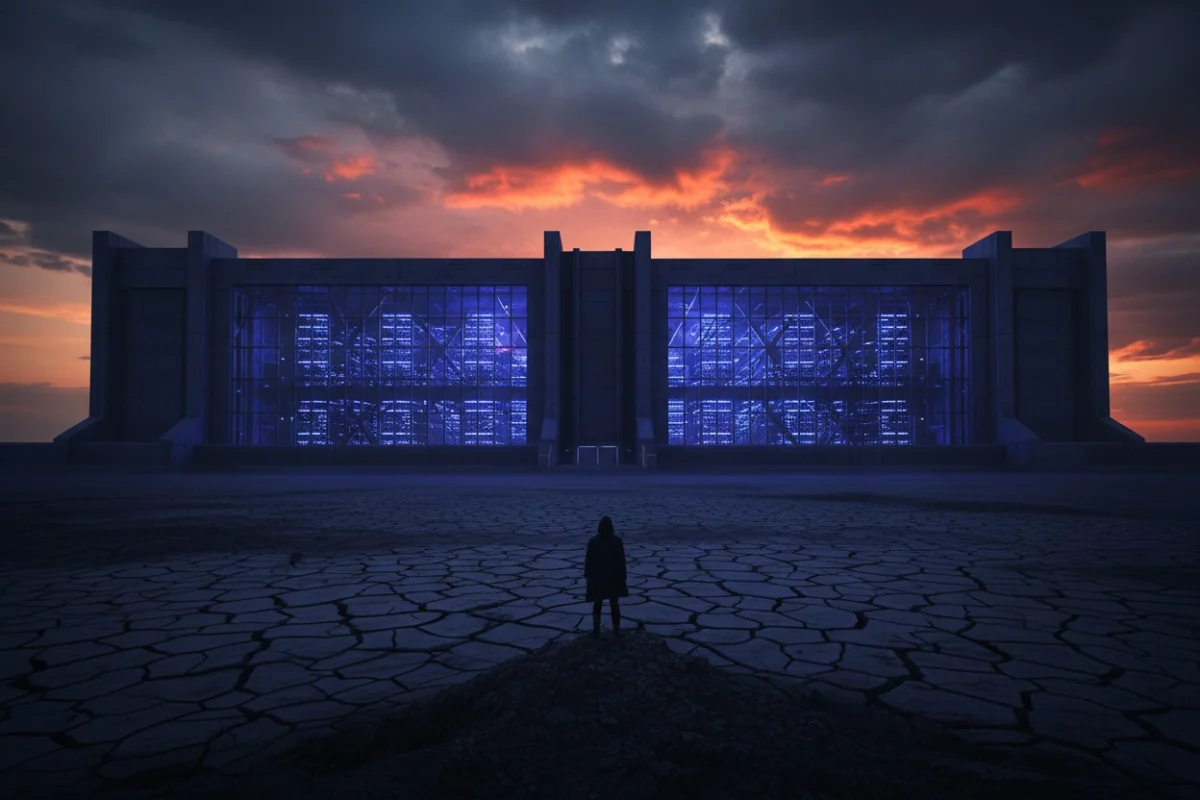
As the global race for Artificial Intelligence dominance intensifies, the physical footprint of the digital revolution is undergoing a radical expansion. Across the United States, sprawling, windowless "server farms" are rising at an unprecedented rate. While proponents, including prominent political figures like Donald Trump, frame these facilities as the bedrock of a new American economic renaissance, a growing chorus of critics, local activists, and energy experts warn that these structures represent a fundamental shift in the distribution of power—both electrical and political.
The Main Facts: A New Infrastructure Paradigm
At the heart of the current debate is the role of data centers in the modern economy. These facilities serve as the central nervous system for Large Language Models (LLMs) and autonomous systems. Proponents argue that embracing this infrastructure is essential for maintaining global technological leadership. In recent rhetoric, the narrative has been clear: communities that reject these installations risk economic stagnation.
However, the reality on the ground presents a more complex picture. Unlike the manufacturing plants of the 20th century, modern data centers are increasingly automated. The promise of "tremendous jobs" is often contrasted by the reality of low-density employment; once the initial construction phase—often utilizing transient labor—is complete, these facilities require only a handful of on-site technicians. Furthermore, the industry is rapidly moving toward total automation, with companies like Meta exploring robotics for server maintenance, effectively removing the human element from the equation entirely.
Chronology: From Internet Hubs to AI Powerhouses
- The Early 2000s: Data centers were primarily designed for basic cloud storage and enterprise hosting. They were smaller, less energy-intensive, and integrated into existing commercial zones.
- 2015–2020: The rise of big data and early machine learning models prompted the first major wave of "hyperscale" data center construction.
- 2022–Present: The generative AI boom has fundamentally altered the requirements for these facilities. The transition from CPU-based tasks to GPU-intensive AI training has caused energy demand to skyrocket, leading to a scramble for grid capacity and water resources.
- 2025–2026: Regulatory pushback begins in states like Texas and Nevada, as grid operators express concerns over the ability of existing infrastructure to handle the massive load requirements of AI clusters.
Supporting Data: The Resource Squeeze
The energy requirements of AI are, by all metrics, historic. Industry analysts suggest that data centers could consume as much as 17% of the total U.S. electricity load by 2030, a massive jump from the 4-5% range seen in recent years.
The strain on the power grid is not merely a theoretical future concern; it is a current operational crisis. In Texas, for example, the demand for power from prospective data center projects has reached roughly 500 gigawatts—a figure that dwarfs the state’s current peak demand. This has led to emergency moratoriums on new grid connections, as utility companies struggle to balance the needs of industrial AI users with the requirements of residential ratepayers.
The environmental cost extends beyond electricity. These "silicon fortresses" require millions of gallons of water daily for cooling purposes, often in drought-prone regions. In many instances, local governments have provided tax abatements and land incentives to developers, essentially subsidizing the operating costs of tech giants while local residents face the externalized costs of higher utility bills, noise pollution, and strained municipal resources.
Official Responses and Political Rhetoric
The political establishment remains divided, though influential figures have adopted a pro-AI, "let data reign" philosophy. The argument is that if the U.S. does not build this infrastructure, it will cede technological sovereignty to geopolitical rivals.
Energy officials, such as Doug Burgum, have articulated a policy vision that prioritizes fossil fuel expansion specifically to meet the, "unquenchable thirst" of AI infrastructure. This framing places AI at the top of the national security hierarchy, effectively arguing that the needs of the algorithm supersede the needs of traditional energy consumers.
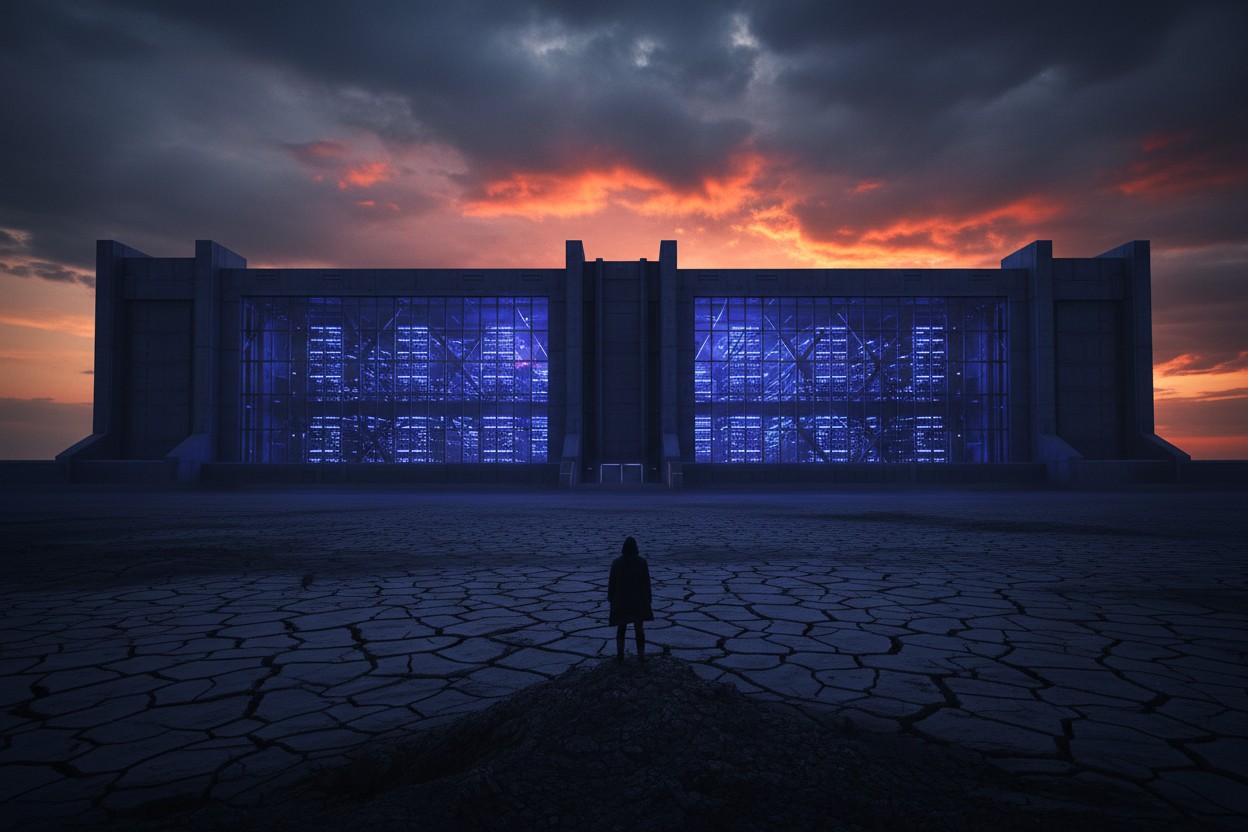
Conversely, local opposition groups have begun to form "Ratepayer Protection" coalitions. These groups argue that the current model of public-private partnership is fundamentally exploitative. By offering tax breaks to multi-billion dollar hedge funds and tech conglomerates, municipalities are creating a "hostage situation" where the public absorbs the long-term risk of grid instability and environmental degradation, while the corporate entities reap the benefits of the AI training ground.
Implications: The Technocratic Shift
The implications of this infrastructure expansion reach far beyond simple economics. Critics argue that we are witnessing the construction of a physical architecture designed to support a post-human labor market.
1. The Displacement of Human Labor
The rapid deployment of AI agents in sectors ranging from healthcare diagnostics to logistics suggests a clear trajectory: the replacement of human cognitive and physical labor. As these data centers train the models that will automate jobs, the human worker transitions from an asset to a "resource drain." This raises profound ethical questions about the future of employment and the role of the individual in a society governed by autonomous systems.
2. The Centralization of Power
The shift toward AI-managed infrastructure represents a move toward radical centralization. When a handful of entities control the computing power, the data, and the energy grid, the balance of power shifts away from the individual and the local community toward the platform. The "technocratic coup" described by critics refers to this loss of agency, where decisions—from energy allocation to workforce management—are increasingly made by algorithmic systems rather than human representatives.
3. The Call for Decentralization
In response to the perceived dangers of this centralized technocracy, a growing movement is advocating for radical decentralization. This philosophy suggests that true resilience in the age of AI lies in self-reliance:
- Energy Independence: Investing in local, small-scale power generation (solar, wind, and micro-grid technology) to bypass the fragile, centralized grid.
- Local Production: A return to local agriculture and small-scale manufacturing to mitigate the impact of global supply chain disruptions.
- Personal AI: Encouraging the development of open-source, locally hosted AI models that serve the individual user rather than the corporate platform.
Conclusion: The Final Chapter for Human Agency?
The debate over data centers is, at its core, a debate over what kind of future we wish to inhabit. The current trajectory suggests a world where resources are increasingly diverted to maintain the machines that have rendered human labor redundant. The political cheerleading for this expansion overlooks the deep systemic vulnerabilities it creates, from the fragility of our power grids to the erosion of local economic self-sufficiency.
As the grid becomes more strained and the cost of maintaining the "silicon fortress" continues to rise, the question for the American public remains: are we building the infrastructure of a new era of prosperity, or are we subsidizing our own obsolescence? The answer likely lies in the ability of communities to reclaim their power—both literally and figuratively—before the machines that are being trained today are fully unleashed upon the economy of tomorrow. Resistance to this technocracy may not be merely a political stance, but a fundamental necessity for those who wish to maintain their role in the future of the human race.